asteroid (애스터로이드) — a rocky object that orbits the Sun, typically found in the asteroid belt between Mars and Jupiter
Part of speech: NOUN
Definition: a rocky object that orbits the Sun, typically found in the asteroid belt between Mars and Jupiter
Pronunciation (IPA): /ˈæstərɔɪd/
Korean meaning: 주로 화성과 목성 사이의 소행성대에서 발견되는, 태양 주위를 공전하는 암석 천체
Korean pronunciation: 애스터로이드
Example Sentences
- The asteroid was so small that scientists nicknamed it 'cosmic pebble'.
- NASA's mission successfully collected samples from the asteroid's surface.
- If an asteroid hit Earth, dinosaurs would probably file an insurance claim this time.
asteroid
NOUN[/ˈæstərɔɪd/]
애스터로이드
a rocky object that orbits the Sun, typically found in the asteroid belt between Mars and Jupiter
주로 화성과 목성 사이의 소행성대에서 발견되는, 태양 주위를 공전하는 암석 천체
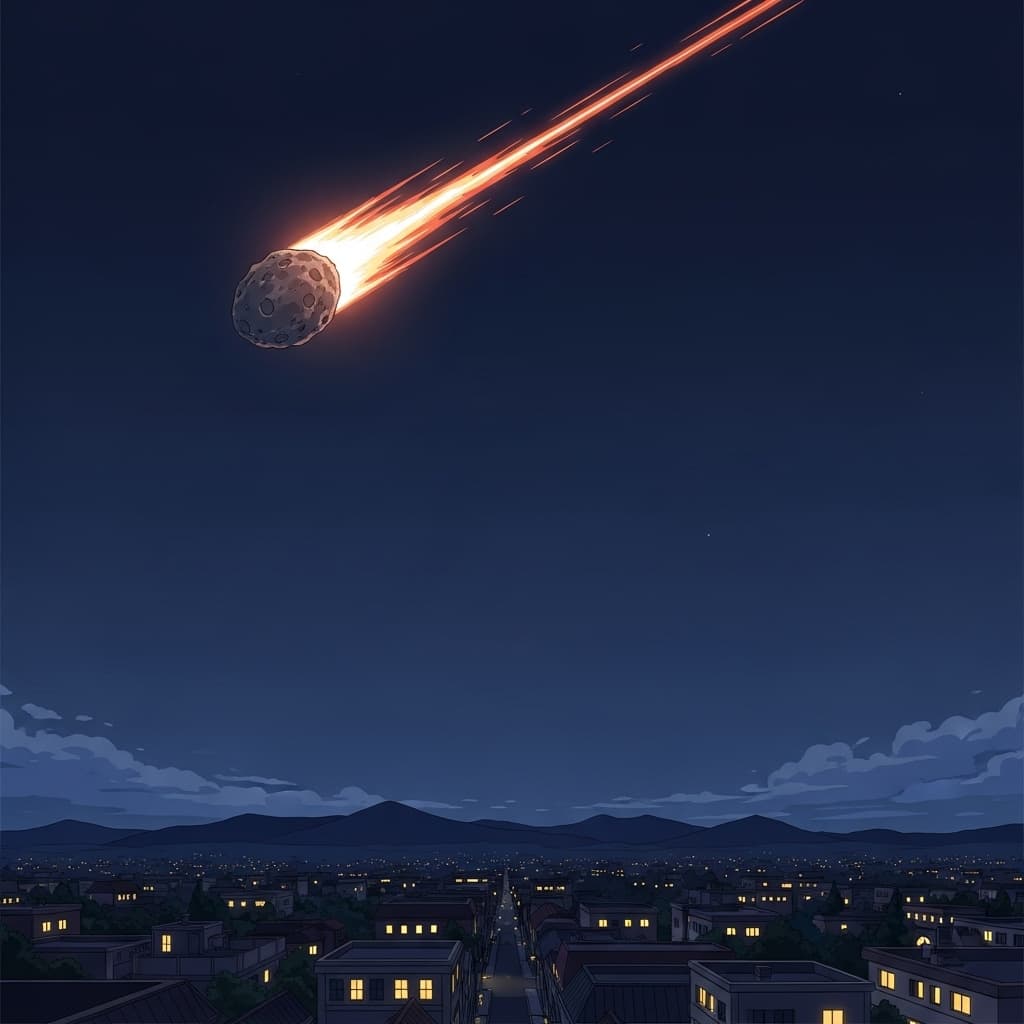
어디선가 날아왔다 — 소행성 하나가 순식간에 모든 것을 바꾼다.
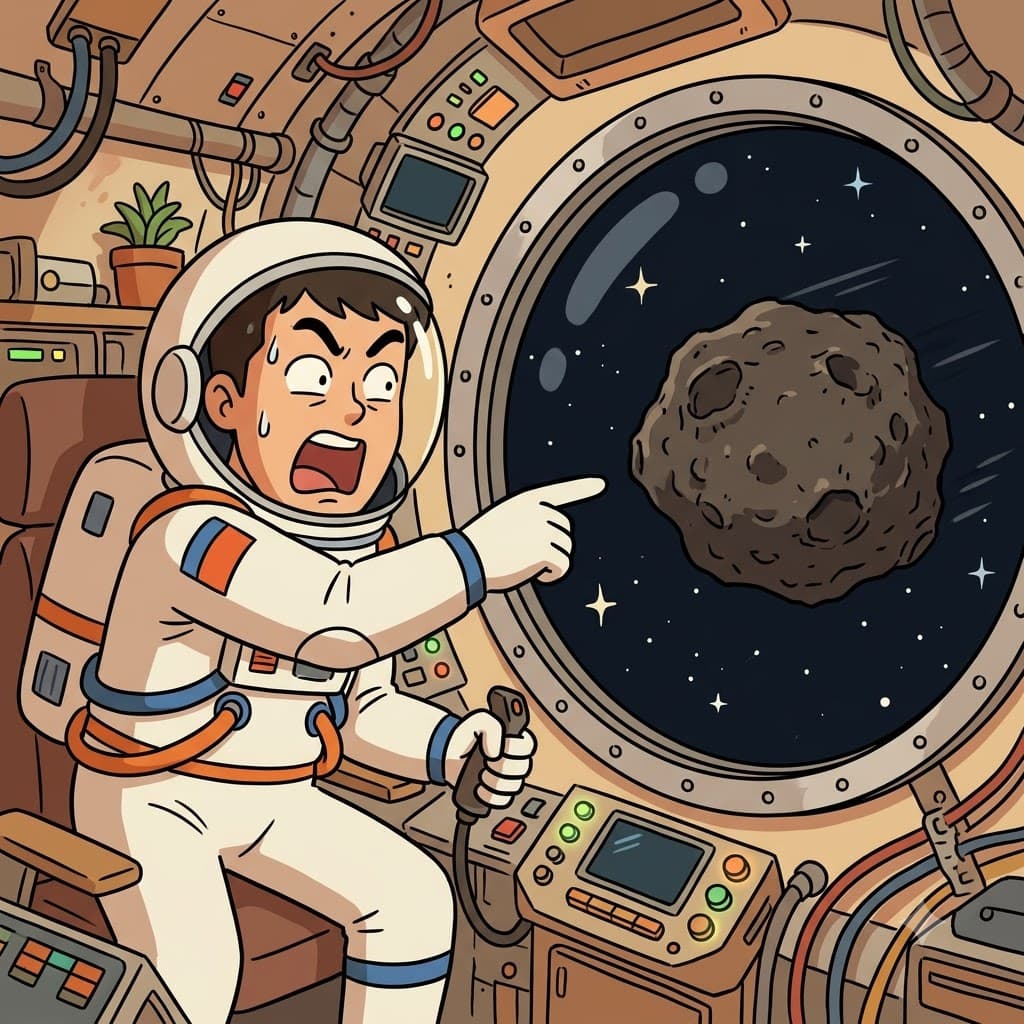
“Ah, stereo!” the astronaut said as the stereo played loudly and a rocky asteroid suddenly streaked past the spacecraft.
우주선에서 스테레오(stereo)를 크게 듣고 있는데 바위 같은 소행성(asteroid)이 쐐애액 지나가자 우주비행사는 “아, 스테레오!”라고 말했다.

The astronomer explained that an asteroid is a small star-like rocky object traveling through space. (ASTER = star + -OID = like → star-like object → asteroid)
천문학자는 asteroid가 우주를 떠도는 작고 별처럼 보이는 암석 천체라고 설명했다.

An asteroid destroyed what filled the void.
소행성이 그 빈자리를 채우던 것들을 파괴했다.
🎤발음
🌳어원 분석
그리스어 어근 aster는 astronomy, astronaut 등에서도 사용됨
기원
1802년 독일 천문학자가 만든 용어로, 그리스어에서 '별 같은'이라는 의미에서 유래했습니다. 망원경으로 보면 별처럼 점으로 보였기 때문입니다.
형태소 분해
aster (별) + -oid (~같은)
진화 과정
1802년 독일 천문학자가 만든 용어로, 그리스어에서 '별 같은'이라는 의미에서 유래했습니다. 망원경으로 보면 별처럼 점으로 보였기 때문입니다.
💡창의적 암기법
AI Generated Mnemonic
애스! 터로이드! 우주의 돌덩어리
💡 애스! 터로이드! 우주의 돌덩어리
🎵라이밍 (Rhyme)
-oid로 끝나는 단어들과 함께 암기하면 효과적
-oid로 끝나는 단어들과 함께 암기하면 효과적
-oid로 끝나는 단어들과 함께 암기하면 효과적
🔗연어 (Collocation)
소행성대
소행성 충돌
지구근접소행성
소행성 채굴
소행성을 추적하다
소행성 충돌
거대한 소행성
📝예문
“The asteroid was so small that scientists nicknamed it 'cosmic pebble'.”
그 소행성은 너무 작아서 과학자들이 '우주 조약돌'이라는 별명을 붙였다.
“NASA's mission successfully collected samples from the asteroid's surface.”
NASA의 임무는 소행성 표면에서 샘플을 성공적으로 수집했다.
“If an asteroid hit Earth, dinosaurs would probably file an insurance claim this time.”
만약 소행성이 지구를 친다면, 이번엔 공룡들이 보험금을 청구할 것이다.
“The asteroid's orbit takes it around the Sun every 3.2 years.”
그 소행성의 궤도는 3.2년마다 태양 주위를 돈다.