ascribe to (어스크라이브 투) — to regard something as being caused by, belonging to, or originating from a particular source
Part of speech: VERB
Definition: to regard something as being caused by, belonging to, or originating from a particular source
Pronunciation (IPA): /əˈskraɪb tuː/
Korean meaning: (원인, 공로, 특징 등을) ~에 돌리다, ~때문이라고 여기다
Korean pronunciation: 어스크라이브 투
Example Sentences
- My cat always ascribes household disasters to the dog, even when she's the one who knocked over the vase.
- He ascribed his terrible exam score to bad luck, conveniently forgetting that he never opened a textbook.
- Many scientists ascribe recent climate change to human activity.
ascribe to
VERB[/əˈskraɪb tuː/]
어스크라이브 투
to regard something as being caused by, belonging to, or originating from a particular source
(원인, 공로, 특징 등을) ~에 돌리다, ~때문이라고 여기다

역사가들은 에디슨의 조수들이 만든 발명품까지 에디슨의 공으로 돌린다.
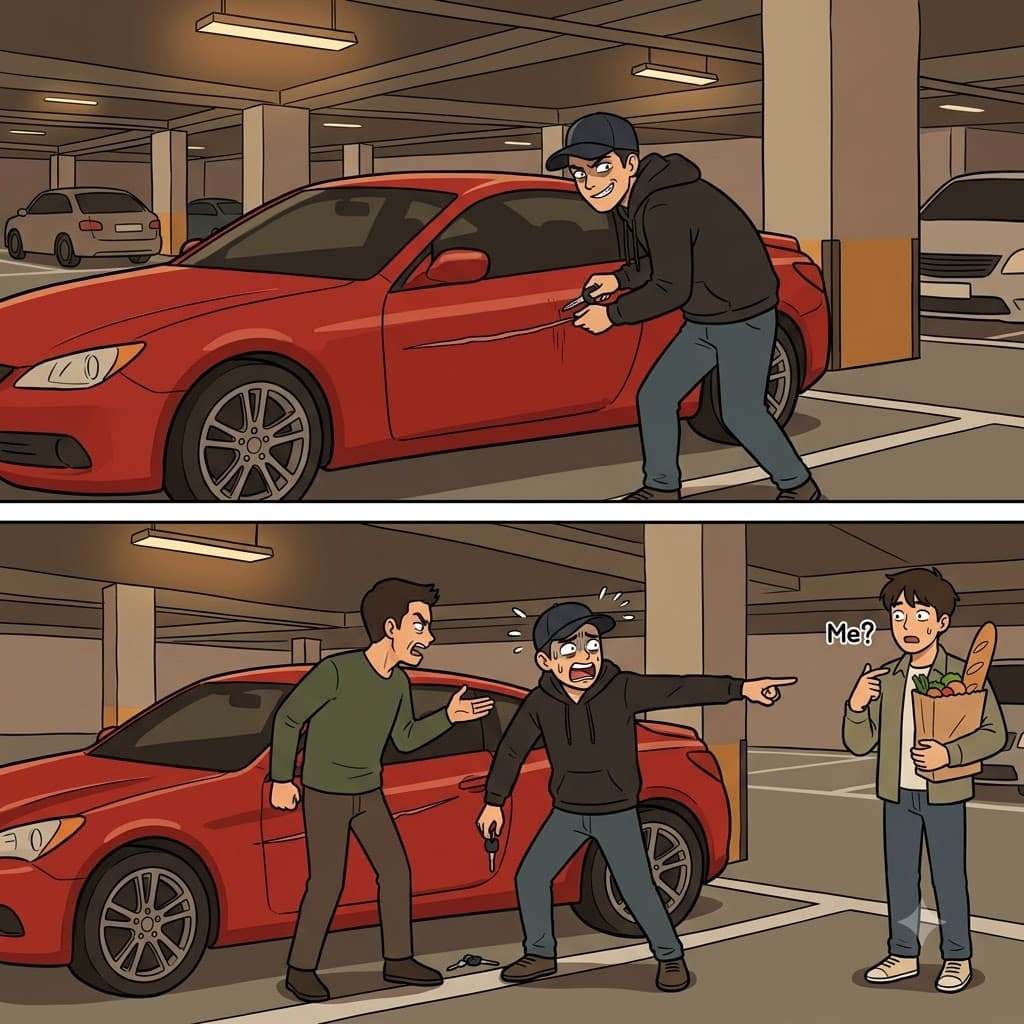
"How dare you blame me for the scratch you made!" The angry man protested as the culprit ascribed the damage to him.
“네가 차에 흠집을 내놓고 왜 내 탓으로 돌려!” 진짜 범인이 피해를 자신의 탓으로 돌리자, 남자는 분노하며 항의했다. (어스크라이브 투 → “어? 스크래치 입혀 놓고 왜 내 탓으로 돌려?”)
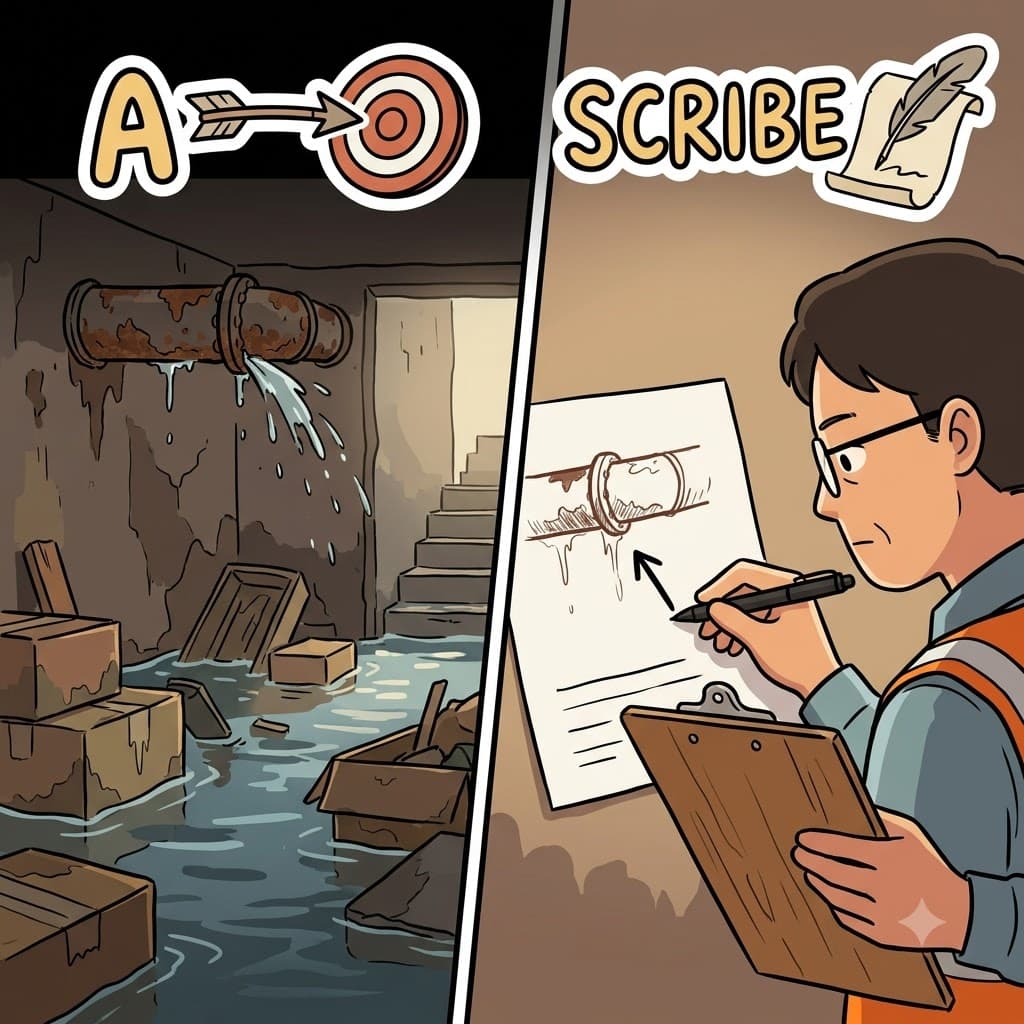
The inspector ascribed the flood to a broken pipe, recording the exact cause on his report.
조사관은 홍수의 원인을 부서진 파이프 탓으로 돌리고, 보고서에 정확한 원인을 기록했다.

After the doctor prescribed the pill, the patient described a rash, and the doctor ascribed it to a pollen allergy.
의사가 알약을 처방한 뒤 환자가 발진을 설명하자, 의사는 그 원인을 꽃가루 알레르기 탓으로 돌렸다.
🎤발음
🌳어원 분석
'ascribe'는 'a-(~로) + scribe(쓰다)'로 분석되며, describe, prescribe, subscribe처럼 'scribe' 어근을 공유하는 단어 가족입니다.
기원
고대 서기관(scribe)들은 중요한 사건의 원인이나 소유권을 공식 문서에 '적어 넣는' 일을 했습니다. 'ascribe'는 라틴어로 '~쪽으로(ad-) 써넣다(scribere)'라는 뜻에서 시작되어, 오늘날 '어떤 결과의 원인을 ~에게 돌려서 적는다'는 의미로 발전했습니다.
형태소 분해
ad- (~쪽으로) + scribere (쓰다) → '~쪽으로 써넣다' → '~의 것으로 돌리다'
진화 과정
고대 서기관(scribe)들은 중요한 사건의 원인이나 소유권을 공식 문서에 '적어 넣는' 일을 했습니다. 'ascribe'는 라틴어로 '~쪽으로(ad-) 써넣다(scribere)'라는 뜻에서 시작되어, 오늘날 '어떤 결과의 원인을 ~에게 돌려서 적는다'는 의미로 발전했습니다.
💡창의적 암기법
AI Generated Mnemonic
'어스크라이브'를 발음하면 '스크라이브(scribe, 서기관/필경사)'가 들려요! 옛날 서기관이 어떤 사건이 일어나면 그 원인을 장부에 콱 '적어 넣는' 모습을 상상하세요. '어! 이건 너 때문이야!'라고 서기관이 장부에 이름을 써넣는 장면 → '원인을 ~에게 돌리다'라는 뜻이 됩니다.
💡 어(a) + 스크라이브(scribe, 서기관) → 서기관이 원인을 장부에 적어 '네 탓이야!' → ~에 돌리다
🎵라이밍 (Rhyme)
모두 라틴어 'scribere(쓰다)'에서 나온 단어들! 'describe(묘사하다)', 'prescribe(처방하다)', 'subscribe(구독하다)'와 함께 외우면 'scribe = 쓰다'라는 공통 뿌리가 기억에 콱 박혀요.
모두 라틴어 'scribere(쓰다)'에서 나온 단어들! 'describe(묘사하다)', 'prescribe(처방하다)', 'subscribe(구독하다)'와 함께 외우면 'scribe = 쓰다'라는 공통 뿌리가 기억에 콱 박혀요.
모두 라틴어 'scribere(쓰다)'에서 나온 단어들! 'describe(묘사하다)', 'prescribe(처방하다)', 'subscribe(구독하다)'와 함께 외우면 'scribe = 쓰다'라는 공통 뿌리가 기억에 콱 박혀요.
🔗연어 (Collocation)
운명으로 돌리다
성공을 ~덕분으로 보다
책임을 ~에게 돌리다
~에 중요성을 부여하다
~에게 동기가 있다고 추정하다
널리 ~때문이라고 여겨지는
특징을 ~에게 있다고 보다
📝예문
“My cat always ascribes household disasters to the dog, even when she's the one who knocked over the vase.”
우리 집 고양이는 항상 집안 사고를 강아지 탓으로 돌리는데, 사실 화분을 깬 건 자기 자신이다.
“He ascribed his terrible exam score to bad luck, conveniently forgetting that he never opened a textbook.”
그는 끔찍한 시험 점수를 운이 나빠서라고 돌렸지만, 교과서를 한 번도 안 펼친 사실은 편리하게 잊어버렸다.
“Many scientists ascribe recent climate change to human activity.”
많은 과학자들은 최근의 기후 변화를 인간 활동 때문이라고 본다.
“Historians tend to ascribe the empire's collapse to economic failure rather than military defeat.”
역사학자들은 그 제국의 몰락을 군사적 패배보다는 경제적 실패로 돌리는 경향이 있다.
“She jokingly ascribed her sudden weight gain to 'gravity getting stronger overnight.'”
그녀는 갑작스러운 체중 증가를 '하룻밤 사이에 중력이 강해진 것' 때문이라며 농담했다.