corpse (**코**ㅂ스) — a dead body, especially of a human being
Part of speech: NOUN
Definition: a dead body, especially of a human being
Pronunciation (IPA): /kɔːrps/
Korean meaning: 시체, 시신 (특히 사람의)
Korean pronunciation: **코**ㅂ스
Example Sentences
- The vampire complained that the corpse was too cold for a midnight snack.
- The forensic team arrived to examine the corpse at the crime scene.
- In zombie movies, every corpse has the potential to become a walking nightmare.
corpse
NOUN[/kɔːrps/]
코ㅂ스
a dead body, especially of a human being
시체, 시신 (특히 사람의)
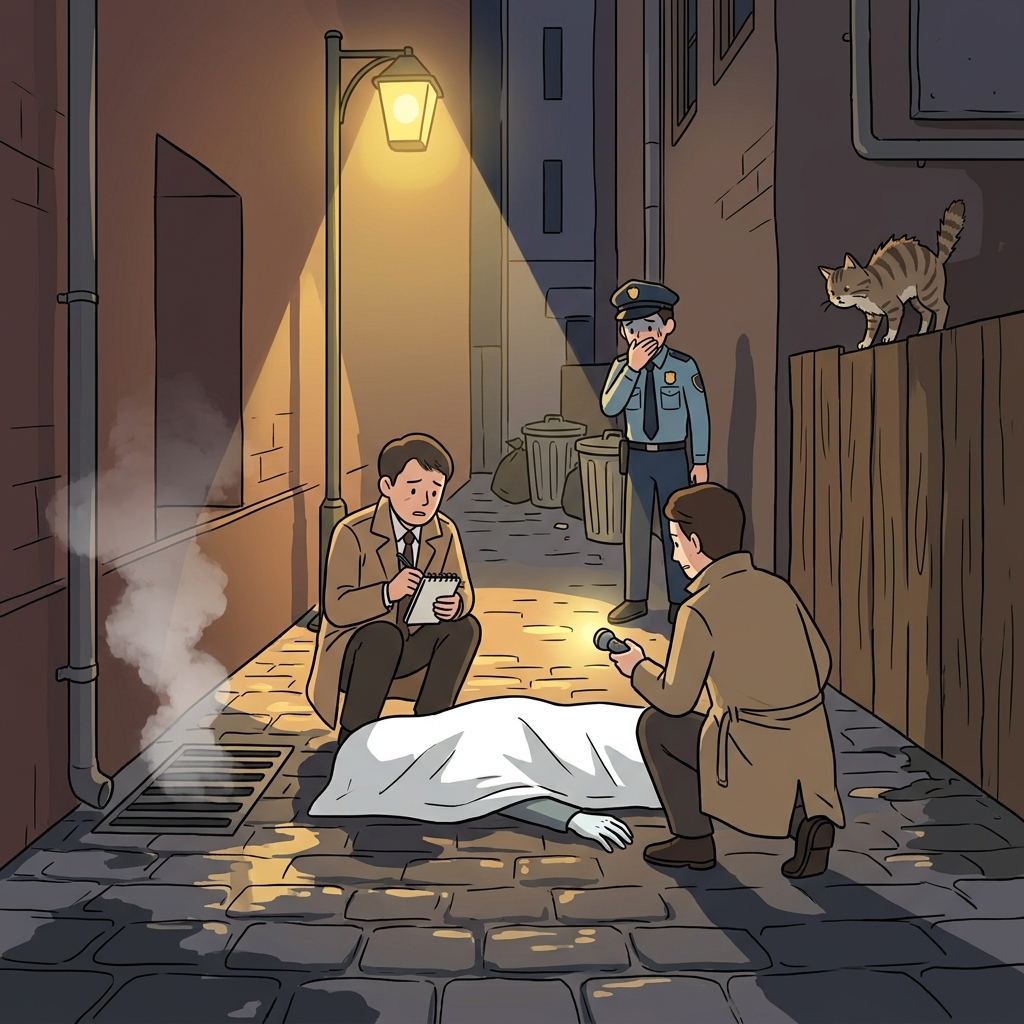
극장 뒤 골목에서 시체가 발견되자 형사들이 조심스레 살핀다.

CORP + 스(death) = corpse discovery scene
콥! 스(死) → 시체 발견!
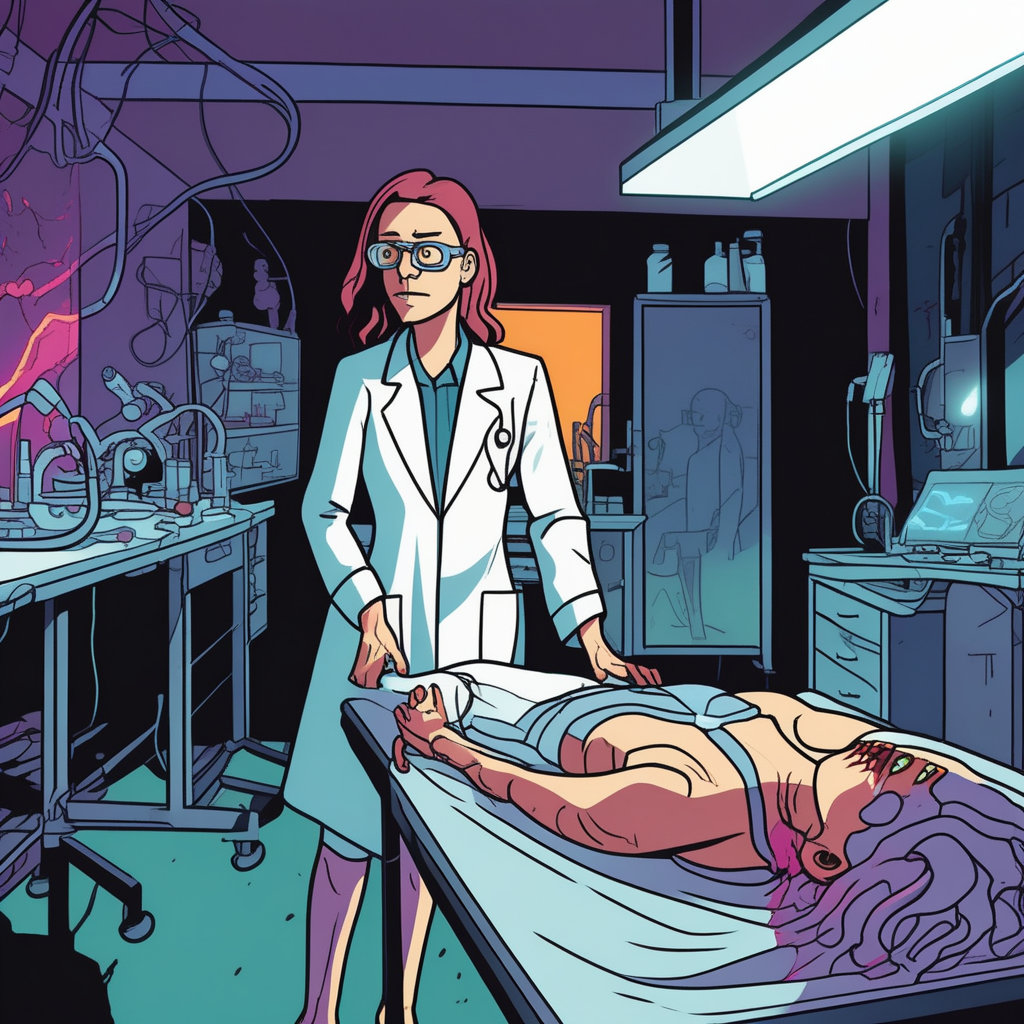
Light warps around the corpse as shadow morphs!
시신을 비추니, 그림자가 일그러져 변한다!
🎤발음
🌳어원 분석
라틴어 어근 'corpus'에서 파생된 단순어
기원
라틴어 'corpus(몸)'에서 유래했습니다. 살아있는 몸(corpus)이 생명을 잃으면 시체(corpse)가 되는 것이죠.
형태소 분해
corpus(몸, 신체) → corpse(시체)
진화 과정
라틴어 'corpus(몸)'에서 유래했습니다. 살아있는 몸(corpus)이 생명을 잃으면 시체(corpse)가 되는 것이죠.
💡창의적 암기법
AI Generated Mnemonic
콥! 스(死) → 죽어서 시체!
💡 콥! 스(死) → 죽어서 시체!
🎵라이밍 (Rhyme)
'-orps' 발음으로 기억하기
'-orps' 발음으로 기억하기
🔗연어 (Collocation)
시체를 발견하다
시체를 신원확인하다
신선한 시체
부패한 시체
시체를 조사하다
시체 신부
부풀어 오른 시체
📝예문
“The vampire complained that the corpse was too cold for a midnight snack.”
뱀파이어는 그 시체가 야식으로 먹기에는 너무 차갑다고 불평했다.
“The forensic team arrived to examine the corpse at the crime scene.”
과학수사팀이 범죄 현장의 시체를 조사하러 도착했다.
“In zombie movies, every corpse has the potential to become a walking nightmare.”
좀비 영화에서는 모든 시체가 걸어다니는 악몽이 될 잠재력을 가지고 있다.
“The corpse in the haunted house turned out to be a very realistic mannequin.”
귀신의 집의 시체는 아주 실제 같은 마네킹으로 판명되었다.