nasty (내스-티 (강세: 내스)) — very unpleasant, disgusting, or offensive
Part of speech: ADJECTIVE
Definition: very unpleasant, disgusting, or offensive
Pronunciation (IPA): /ˈnæsti/
Korean meaning: 매우 불쾌한, 역겨운, 기분 나쁜
Korean pronunciation: 내스-티 (강세: 내스)
Example Sentences
- My roommate left nasty dishes in the sink for three weeks - I think they're evolving into new life forms!
- The boss was in a nasty mood after losing the big contract.
- That's a nasty cut on your finger - you should see a doctor.
nasty
ADJECTIVE[/ˈnæsti/]
내스-티 (강세: 내스)
very unpleasant, disgusting, or offensive
매우 불쾌한, 역겨운, 기분 나쁜

폭풍 때문에 오후 내내 날씨가 매우 험악했다.

The boy apologized for making a nasty comment.
소년은 심한 말을 한 것을 사과했다. ("나빴지!" → 못되고 불쾌하다)
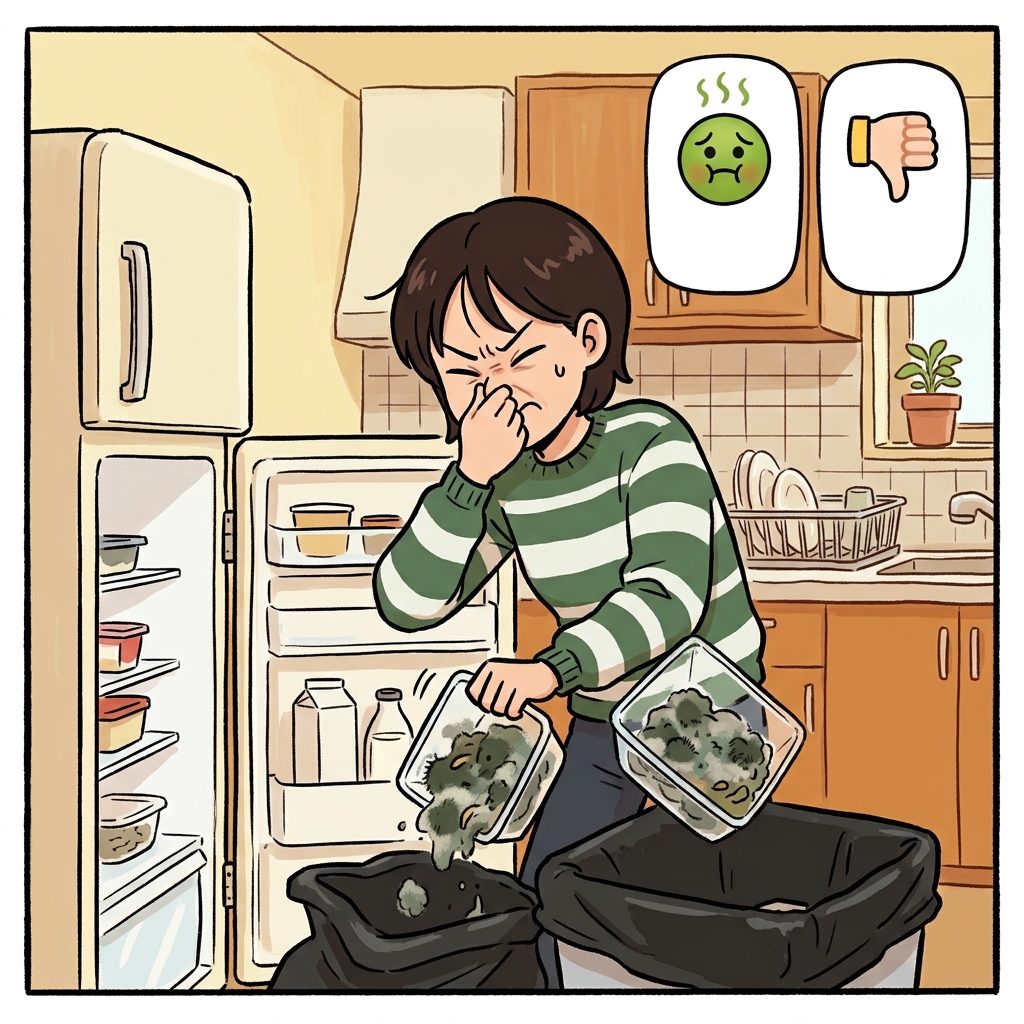
The food gave off a nasty smell. (🤢 Unpleasant + 👎 Bad → Nasty)
그 음식에서는 불쾌한 냄새가 났다.

A hasty decision during the nasty storm almost endangered everyone's safety.
험한 폭풍 속 성급한 판단은 모두의 안전을 위태롭게 할 뻔했다.
🎤발음
🌳어원 분석
nasty + -ness = nastiness (불쾌함), nasty + -ly = nastily (불쾌하게)
기원
14세기경 중세 영어에서 유래된 단어로, 원래는 '더러운, 불결한'이라는 의미였습니다. 시간이 지나면서 물리적 불결함에서 도덕적, 성격적 나쁨까지 의미가 확장되었죠.
형태소 분해
nasti → nasty (더러운, 불쾌한)
진화 과정
14세기경 중세 영어에서 유래된 단어로, 원래는 '더러운, 불결한'이라는 의미였습니다. 시간이 지나면서 물리적 불결함에서 도덕적, 성격적 나쁨까지 의미가 확장되었죠.
💡창의적 암기법
AI Generated Mnemonic
나스티[nasty]의 '나'는 '나쁜', '스티'는 '스티커'를 연상해보세요. 나쁜 스티커가 온몸에 붙어서 불쾌하고 역겨운 상황을 상상하면 됩니다!
💡 나쁜 스티커 → 불쾌함
🎵라이밍 (Rhyme)
-asty로 끝나는 단어들과 함께 기억하면 쉬워요
-asty로 끝나는 단어들과 함께 기억하면 쉬워요
-asty로 끝나는 단어들과 함께 기억하면 쉬워요
🔗연어 (Collocation)
나쁜 습관
악천후
불쾌한 놀라움
험악해지다
심각한 사고
못된 성격
📝예문
“My roommate left nasty dishes in the sink for three weeks - I think they're evolving into new life forms!”
룸메이트가 3주 동안 더러운 설거지를 싱크대에 놔뒀는데, 새로운 생명체로 진화하고 있는 것 같아!
“The boss was in a nasty mood after losing the big contract.”
상사는 큰 계약을 잃은 후 매우 기분이 나빴다.
“That's a nasty cut on your finger - you should see a doctor.”
손가락에 심한 상처가 있네요 - 의사를 만나봐야겠어요.
“He gave me a nasty look when I accidentally stepped on his shoes.”
내가 실수로 그의 신발을 밟았을 때 그는 나에게 험악한 표정을 지었다.