myth (**미**스) — a traditional story explaining natural phenomena or beliefs, often involving gods or supernatural beings
Part of speech: NOUN
Definition: a traditional story explaining natural phenomena or beliefs, often involving gods or supernatural beings
Pronunciation (IPA): /mɪθ/
Korean meaning: 신화, 전설 (자연현상이나 믿음을 설명하는 전통적 이야기)
Korean pronunciation: **미**스
Example Sentences
- My mom still believes in the myth that eating carrots improves your eyesight dramatically.
- Norse myths feature Thor wielding his mighty hammer.
- The myth that goldfish have a 3-second memory has been scientifically debunked.
myth
NOUN[/mɪθ/]
미스
a traditional story explaining natural phenomena or beliefs, often involving gods or supernatural beings
신화, 전설 (자연현상이나 믿음을 설명하는 전통적 이야기)
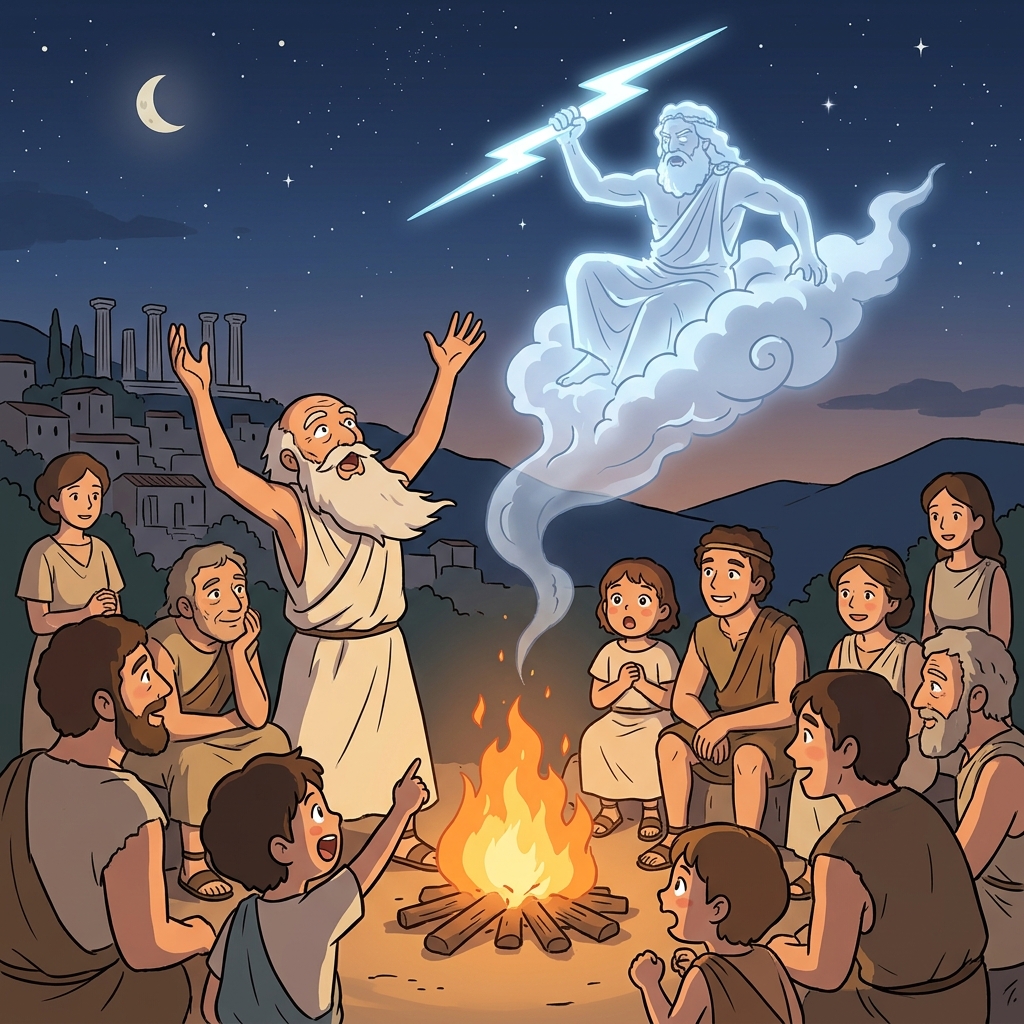
고대 그리스인들이 모닥불 앞에서 제우스 신화를 들려준다.
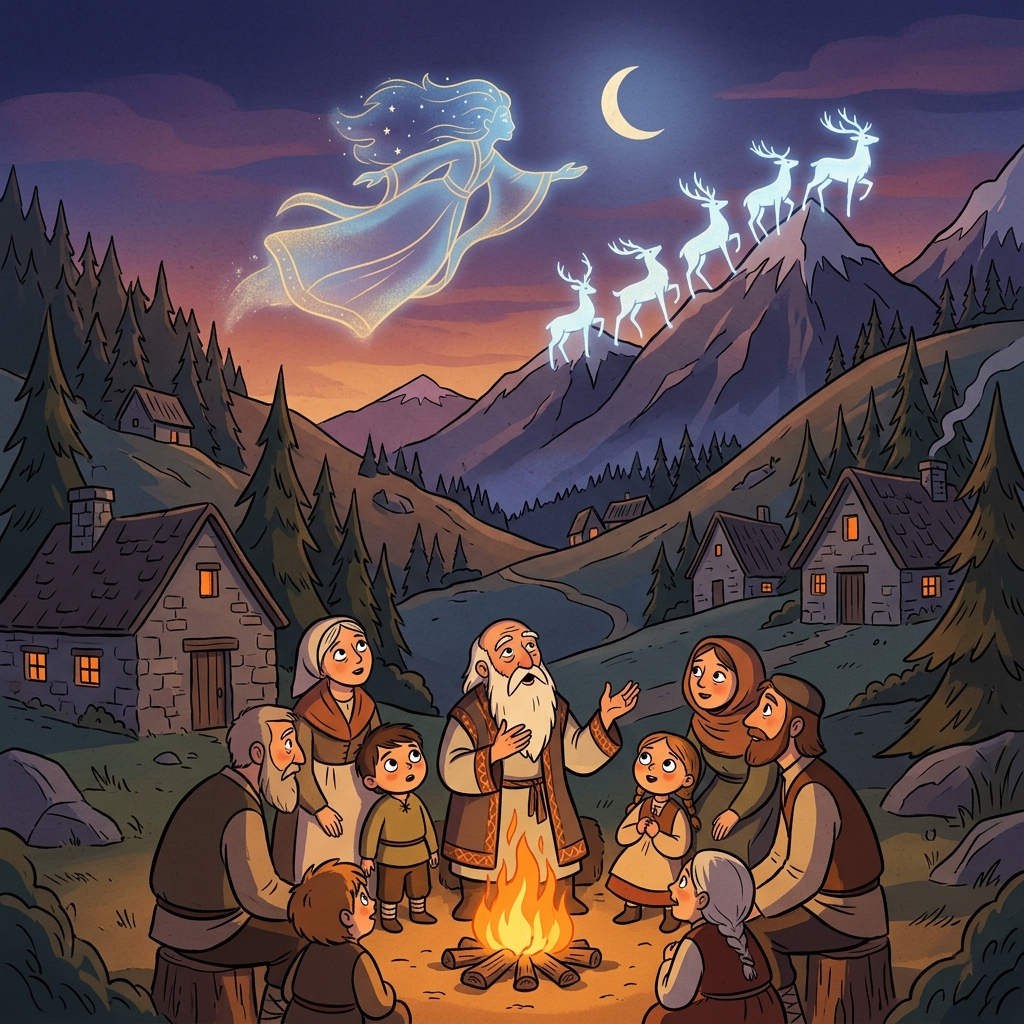
The villagers believed a myth about a mysterious mountain spirit.
마을 사람들은 신비한 산의 정령에 대한 신화를 믿었다. (미스 → "미스터리한 이야기 같네")
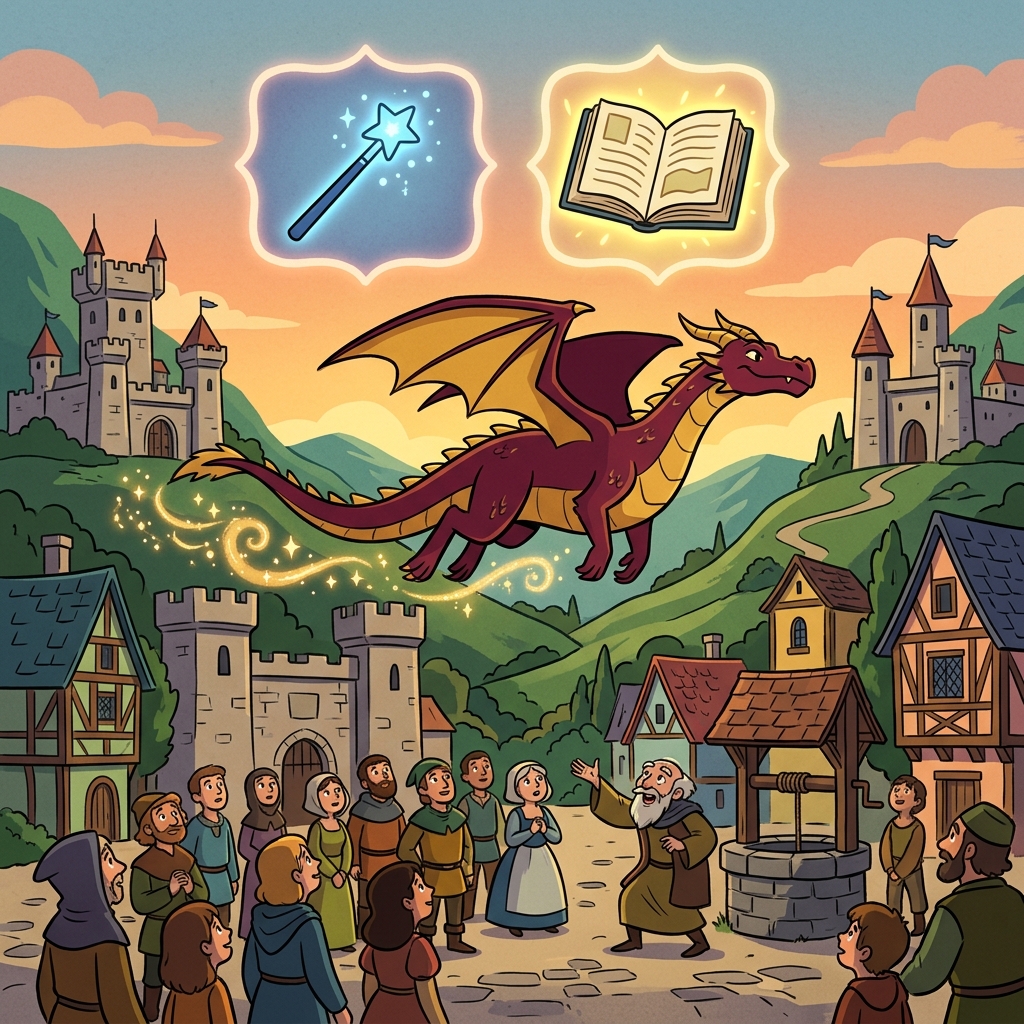
The myth told a magical story about a heroic dragon. (MAGIC + STORY = MYTH → a legendary story passed down over time)
그 신화는 영웅적인 용에 대한 마법 같은 이야기를 들려주었다.
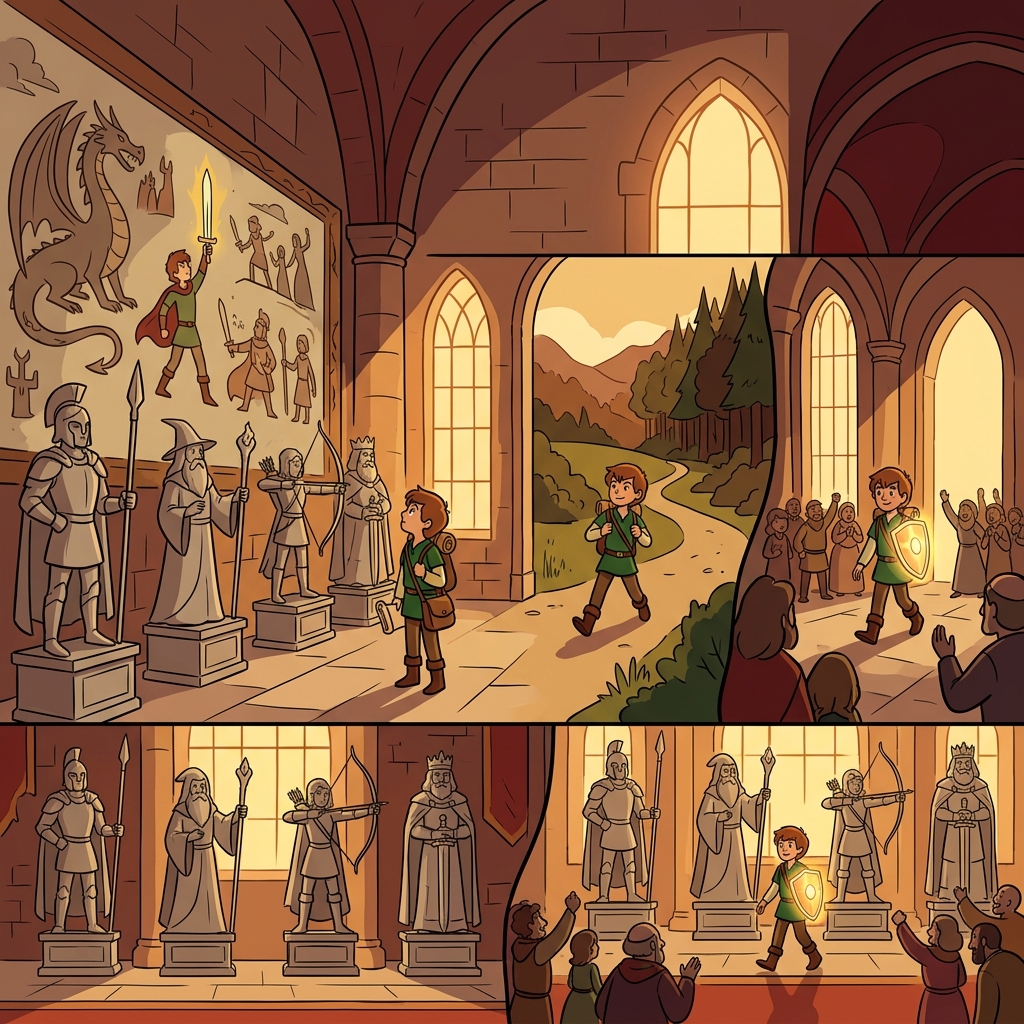
A myth inspired the fifth hero to achieve triumph.
한 신화는 다섯 번째 영웅이 승리를 이루도록 영감을 주었다.
🎤발음
🌳어원 분석
어근 자체가 완성된 단어
기원
그리스어 'mythos'에서 유래했는데, 원래는 '말, 이야기'를 뜻했다. 시간이 지나면서 '전설적인 이야기'라는 의미로 발전했다.
형태소 분해
mythos (story, word) → myth
진화 과정
그리스어 'mythos'에서 유래했는데, 원래는 '말, 이야기'를 뜻했다. 시간이 지나면서 '전설적인 이야기'라는 의미로 발전했다.
💡창의적 암기법
AI Generated Mnemonic
'미스'라고 발음하는데, '미스터리한 스토리'를 줄여서 '미스'라고 기억하자. 신화는 항상 미스터리하고 신비로운 이야기니까!
💡 미스 = 미스터리한 스토리 = 신화
🎵라이밍 (Rhyme)
th 발음이 같아서 운율이 맞음
th 발음이 같아서 운율이 맞음
🔗연어 (Collocation)
고대 신화
그리스 신화
창조 신화
미신을 깨뜨리다
잘못된 믿음을 지속시키다
도시 전설
📝예문
“My mom still believes in the myth that eating carrots improves your eyesight dramatically.”
우리 엄마는 아직도 당근을 먹으면 시력이 극적으로 좋아진다는 미신을 믿으신다.
“Norse myths feature Thor wielding his mighty hammer.”
북유럽 신화에는 토르가 강력한 망치를 휘두르는 모습이 나온다.
“The myth that goldfish have a 3-second memory has been scientifically debunked.”
금붕어가 3초의 기억력을 가진다는 미신은 과학적으로 반박되었다.
“Students study various cultural myths in their literature class.”
학생들은 문학 수업에서 다양한 문화의 신화를 공부한다.