leash (**리**쉬) — a rope or chain used to control a dog or other animal
Part of speech: NOUN
Definition: a rope or chain used to control a dog or other animal
Pronunciation (IPA): /liːʃ/
Korean meaning: 개줄, 목줄
Korean pronunciation: **리**쉬
Example Sentences
- My dog broke his leash and chased a squirrel up a tree.
- The boss keeps all employees on a tight leash during busy season.
- After retirement, grandpa was finally off the leash and bought a motorcycle.
leash
NOUN[/liːʃ/]
리쉬
a rope or chain used to control a dog or other animal
개줄, 목줄
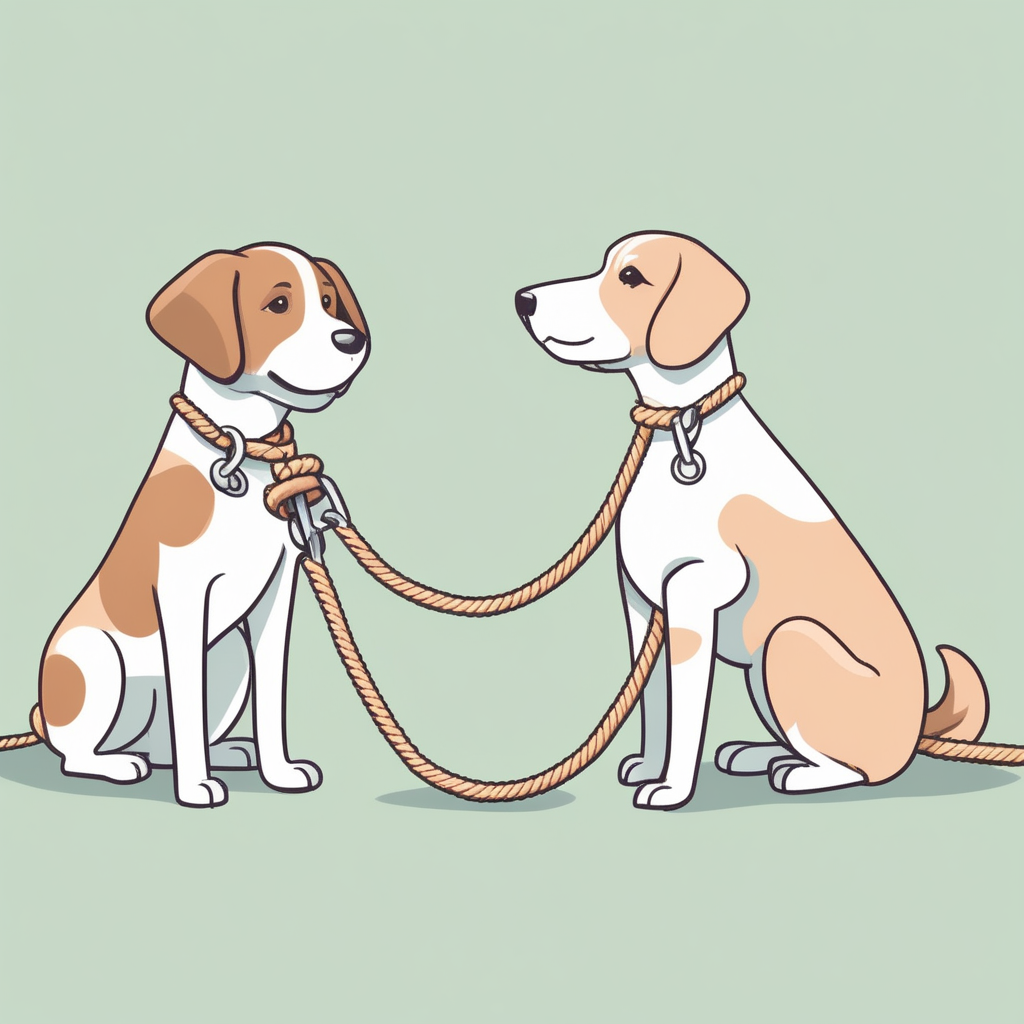
개줄, 목줄
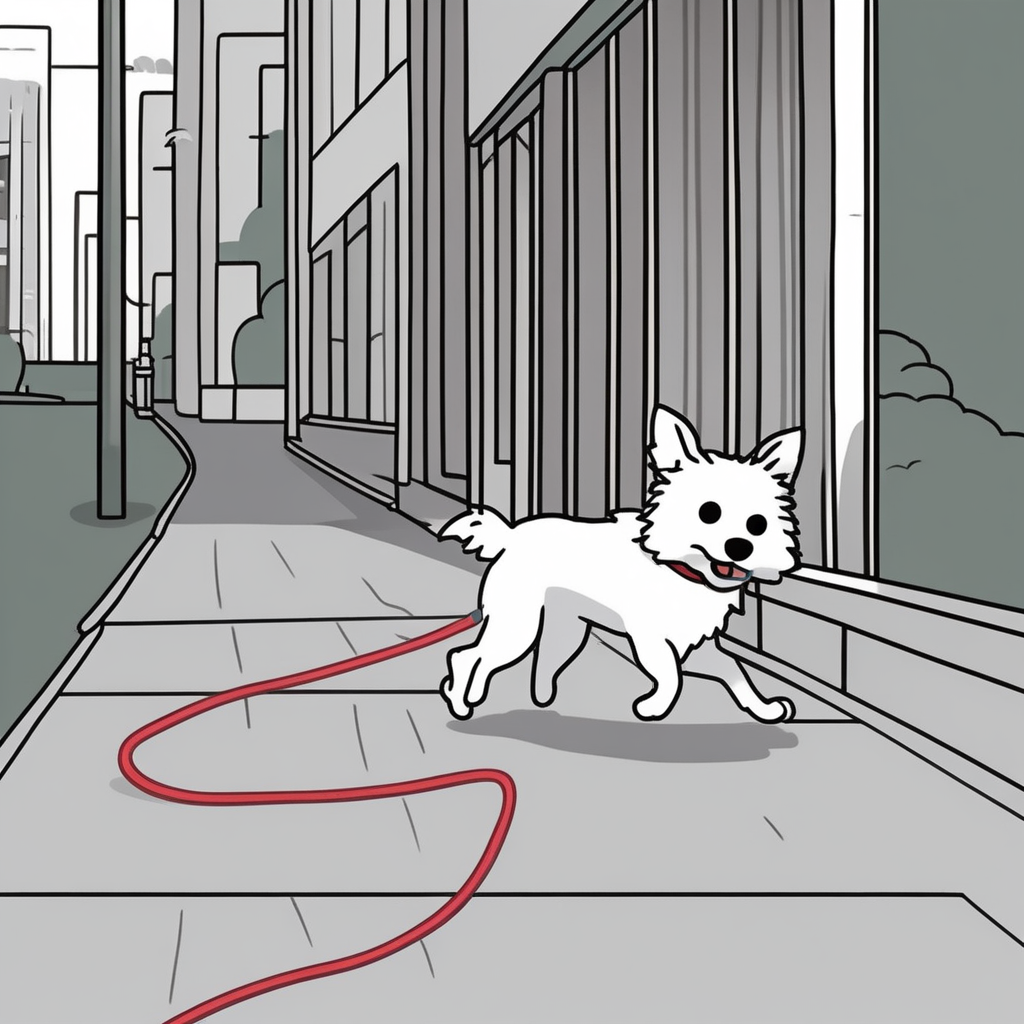
Dog making 'leeesh~' sound while being pulled by leash
리쉬~ 개줄에 끌려가는 소리!

Unleash the leash to refresh!
목줄을 풀어주니, 활력이 되살아난다!
🎤발음
🌳어원 분석
단일 어근으로 구성된 단어
기원
중세 프랑스어 'laisse'에서 유래되었으며, 이는 '풀어주다'라는 의미의 라틴어 'laxare'에서 왔습니다. 아이러니하게도 '풀어주다'에서 '묶어두다'의 의미로 변화했습니다.
형태소 분해
Old French 'laisse' → Middle English 'lees' → Modern English 'leash'
진화 과정
중세 프랑스어 'laisse'에서 유래되었으며, 이는 '풀어주다'라는 의미의 라틴어 'laxare'에서 왔습니다. 아이러니하게도 '풀어주다'에서 '묶어두다'의 의미로 변화했습니다.
💡창의적 암기법
AI Generated Mnemonic
리쉬~ 끌려가는 소리!
💡 리쉬~ 끌려가는 소리!
🎵라이밍 (Rhyme)
-eash, -esh 소리로 연결하여 기억
-eash, -esh 소리로 연결하여 기억
-eash, -esh 소리로 연결하여 기억
🔗연어 (Collocation)
개 목줄
목줄에 묶인
엄격한 통제
목줄 착용 법규
자유롭게, 통제에서 벗어난
통제하에 두다
📝예문
“My dog broke his leash and chased a squirrel up a tree.”
우리 개가 목줄을 끊고 다람쥐를 쫓아 나무 위까지 올라갔다.
“The boss keeps all employees on a tight leash during busy season.”
바쁜 시즌에는 사장이 모든 직원들을 엄격하게 통제한다.
“After retirement, grandpa was finally off the leash and bought a motorcycle.”
은퇴 후, 할아버지는 드디어 자유의 몸이 되어 오토바이를 사셨다.
“The new city ordinance requires all dogs to be on a leash in public areas.”
새로운 시 조례에 따르면 공공장소에서는 모든 개에게 목줄을 채워야 한다.