apron (에이프런) — a protective garment worn over the front of one's clothes and tied at the back
Part of speech: NOUN
Definition: a protective garment worn over the front of one's clothes and tied at the back
Pronunciation (IPA): /ˈeɪprən/
Korean meaning: 요리나 작업할 때 옷을 보호하기 위해 앞에 두르는 앞치마
Korean pronunciation: 에이프런
Example Sentences
- Mom's apron always smells like fresh cookies and love.
- The chef's apron was so dirty, it looked like a battlefield map.
- He tied on his apron and pretended to be a master chef for his cat.
apron
NOUN[/ˈeɪprən/]
에이프런
a protective garment worn over the front of one's clothes and tied at the back
요리나 작업할 때 옷을 보호하기 위해 앞에 두르는 앞치마

요리나 작업할 때 옷을 보호하기 위해 앞에 두르는 앞치마

Hey! The frying pan became an apron!
에이! 프라이팬이 앞치마가 되었네!
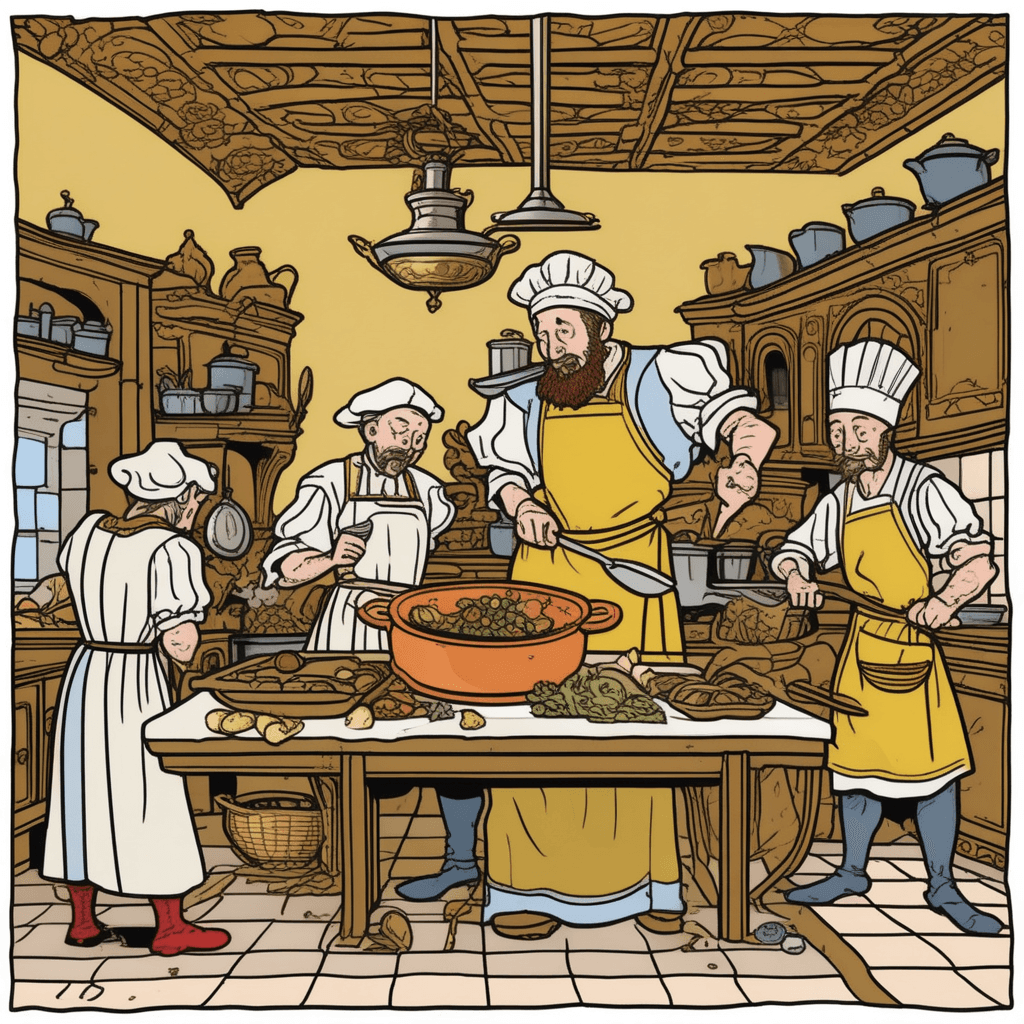
Baron Aaron's apron makes him a noble chef!
남작 아론의 앞치마, 고귀한 요리사!
🎤발음
🌳어원 분석
단일 어근으로 구성된 단어
기원
고대 프랑스어 'naperon'에서 유래했는데, '작은 식탁보'라는 뜻이었습니다. 시간이 지나면서 'a naperon'이 'an aperon'으로, 그리고 현재의 'an apron'으로 변화했습니다.
형태소 분해
naperon (작은 식탁보) → aperon → apron
진화 과정
고대 프랑스어 'naperon'에서 유래했는데, '작은 식탁보'라는 뜻이었습니다. 시간이 지나면서 'a naperon'이 'an aperon'으로, 그리고 현재의 'an apron'으로 변화했습니다.
💡창의적 암기법
AI Generated Mnemonic
앞치마를 뜻하는 apron은 '**에**이프런'으로 발음되는데, '에이! 프라이팬(fry-pan)처럼 둥글다'라고 연상해보세요. 요리할 때 입는 앞치마가 프라이팬처럼 둥글게 배를 감싸는 모습을 떠올리면 됩니다.
💡 에이! 프라이팬 = 앞치마
🎵라이밍 (Rhyme)
'-ron' 운율로 기억하기
'-ron' 운율로 기억하기
🔗연어 (Collocation)
주방 앞치마
앞치마를 두르다
앞치마를 매다
플라스틱 앞치마
앞치마 끈 (어머니에 대한 의존)
요리사 앞치마
📝예문
“Mom's apron always smells like fresh cookies and love.”
엄마의 앞치마는 항상 갓 구운 쿠키와 사랑의 냄새가 난다.
“The chef's apron was so dirty, it looked like a battlefield map.”
요리사의 앞치마가 너무 더러워서 마치 전투 지도 같았다.
“He tied on his apron and pretended to be a master chef for his cat.”
그는 앞치마를 매고 고양이를 위해 마스터 셰프인 척했다.
“Flight attendants wear aprons during meal service on the plane.”
승무원들은 기내 식사 서비스 중에 앞치마를 착용한다.