elastic (일-래스-틱) — able to return to its original shape after being stretched or compressed
Part of speech: ADJECTIVE
Definition: able to return to its original shape after being stretched or compressed
Pronunciation (IPA): /ɪˈlæstɪk/
Korean meaning: 늘어나거나 압축된 후 원래 모양으로 돌아올 수 있는, 탄력적인
Korean pronunciation: 일-래스-틱
Example Sentences
- My elastic pants saved me from embarrassment after eating too much pizza.
- The elastic nature of the economy helps it recover from recessions.
- His elastic conscience could stretch to justify almost anything.
elastic
ADJECTIVE[/ɪˈlæstɪk/]
일-래스-틱 (강세: 래스)
able to return to its original shape after being stretched or compressed
늘어나거나 압축된 후 원래 모양으로 돌아올 수 있는, 탄력적인

아이들은 트램펄린의 뛰어난 탄성 덕분에 높이 튀어 올랐다.
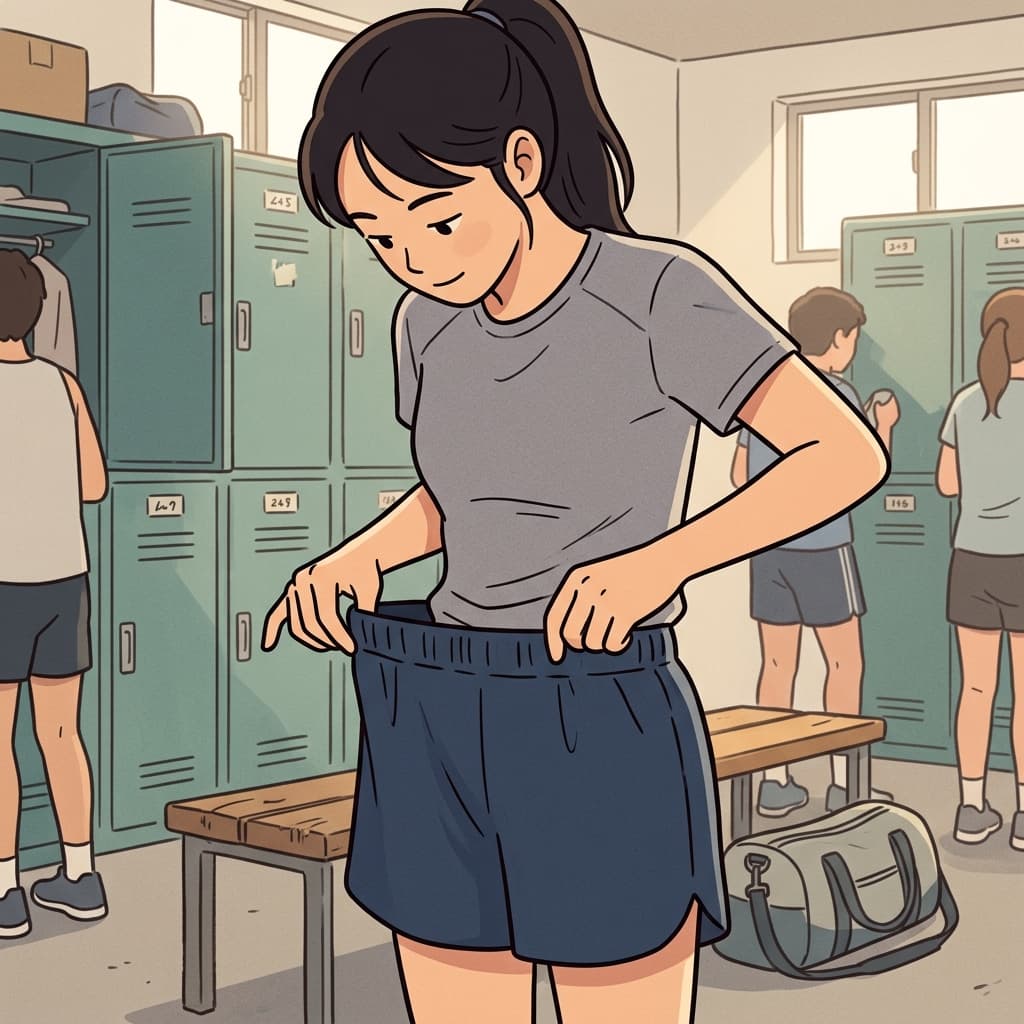
The runner tightened the elastic waistband before the race.
달리기 선수는 경기 전에 신축성 있는 허리 밴드를 조였다. (Plastic 재질은 길게 Stretch하면 그대로지만, Elastic은 다시 돌아온다.)
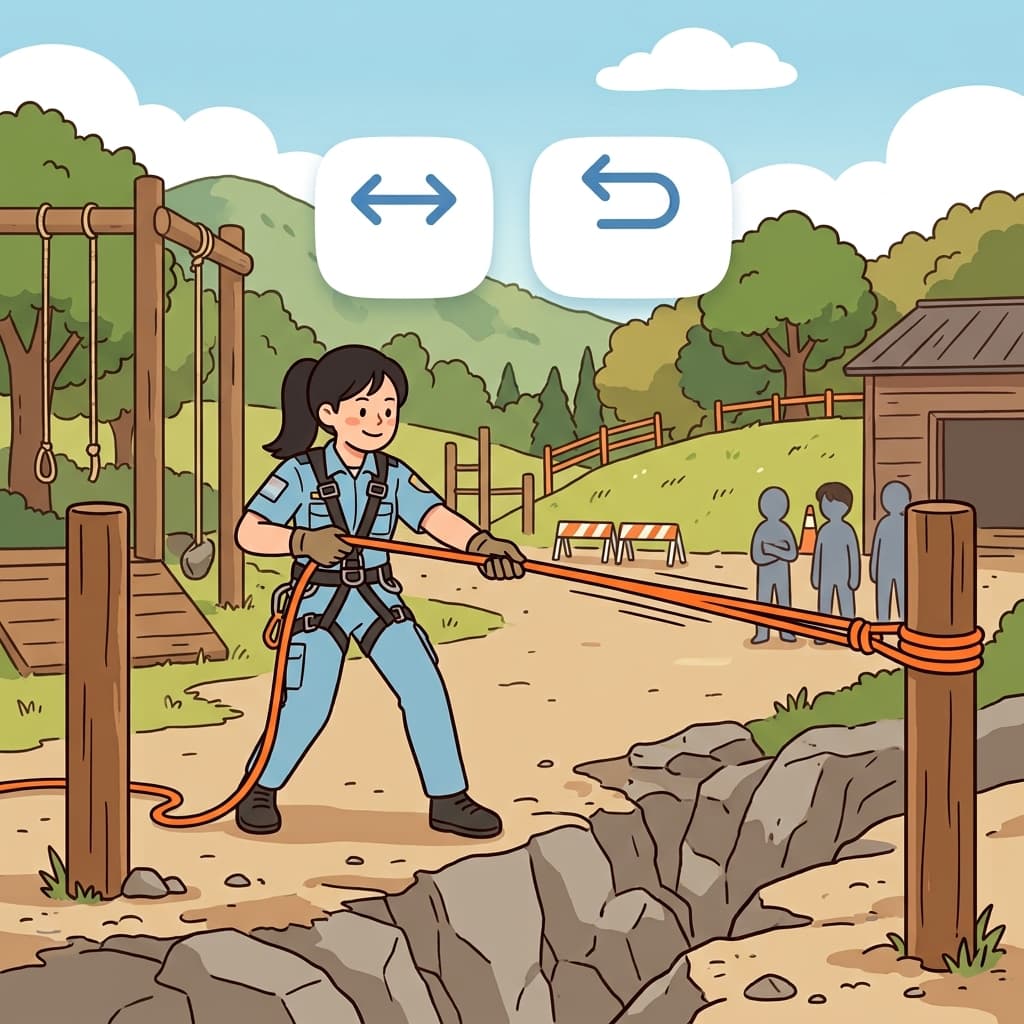
The elastic rope stretched without breaking during the rescue. (↔️ Stretch + ↩️ Bounce Back → Elastic)
구조용 탄성 로프는 끊어지지 않고 길게 늘어났다.
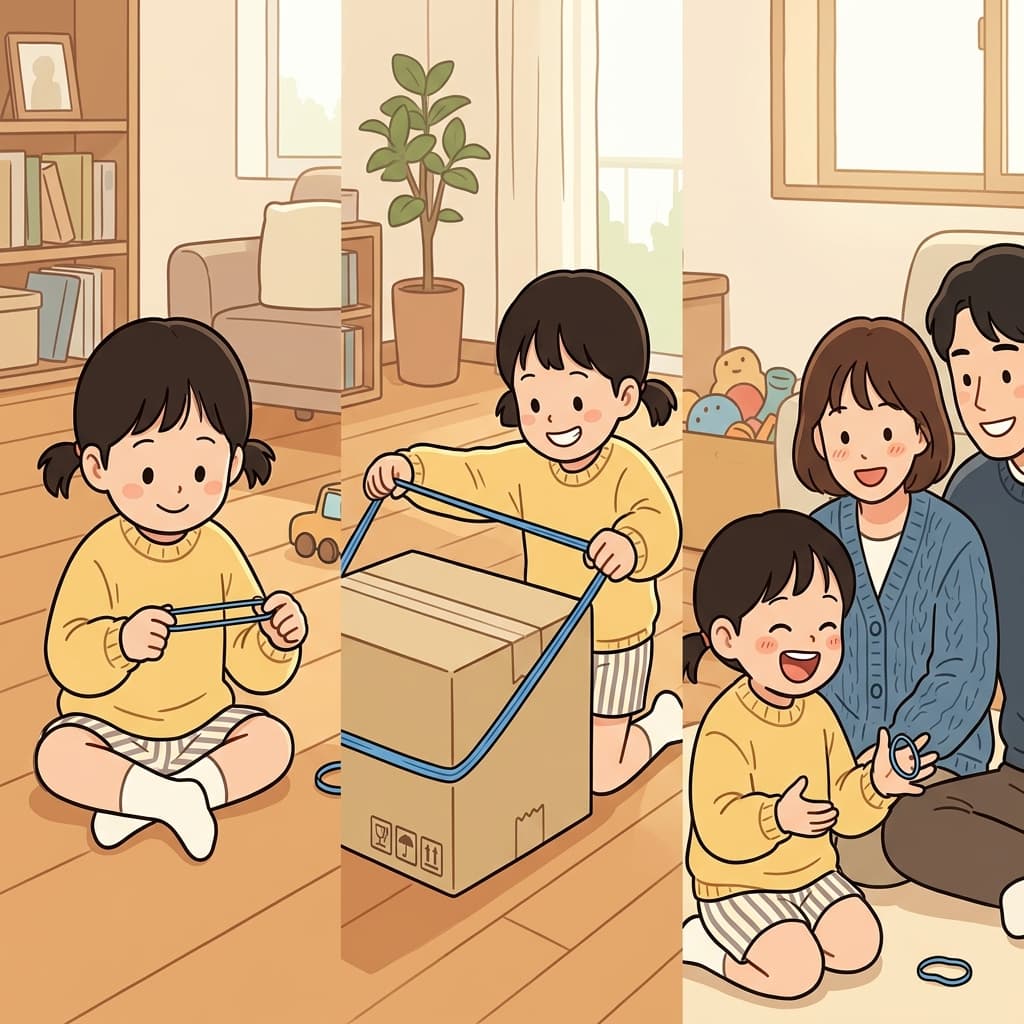
The elastic band stretched and snapped back into shape.
고무줄은 길게 늘어났다가 다시 원래 모양으로 돌아왔다.
🎤발음
🌳어원 분석
그리스어 어근 elast-에 형용사 접미사 -ic이 결합된 형태
기원
17세기 그리스어에서 유래된 단어로, '밀어내다, 추진하다'라는 뜻의 'elaunein'에서 시작되었습니다. 물체가 원래 상태로 '밀려 돌아온다'는 개념에서 탄력성의 의미가 생겨났습니다.
형태소 분해
elastikos (그리스어: 추진력 있는) → elasticus (라틴어) → elastic (영어)
진화 과정
17세기 그리스어에서 유래된 단어로, '밀어내다, 추진하다'라는 뜻의 'elaunein'에서 시작되었습니다. 물체가 원래 상태로 '밀려 돌아온다'는 개념에서 탄력성의 의미가 생겨났습니다.
💡창의적 암기법
AI Generated Mnemonic
'일래스틱' 발음에서 '일(一) + 래(來) + 스틱'으로 연상해보세요. 막대기(스틱)가 하나(일) 왔다 갔다(래) 하며 늘어났다 줄어드는 모습을 떠올리면 탄력적이라는 의미를 쉽게 기억할 수 있습니다.
💡 일(하나) 래(왔다갔다) 스틱(막대) = 탄력적
🎵라이밍 (Rhyme)
-astic 운율로 기억하기 쉬움
-astic 운율로 기억하기 쉬움
-astic 운율로 기억하기 쉬움
🔗연어 (Collocation)
고무줄
탄력적 수요
탄성 충돌
신축성 허리띠
탄성계수
매우 탄력적인
📝예문
“My elastic pants saved me from embarrassment after eating too much pizza.”
피자를 너무 많이 먹은 후 신축성 바지 덕분에 창피함을 면했다.
“The elastic nature of the economy helps it recover from recessions.”
경제의 탄력적 성질은 불황에서 회복하는 데 도움이 된다.
“His elastic conscience could stretch to justify almost anything.”
그의 유연한 양심은 거의 모든 것을 정당화할 수 있을 만큼 늘어났다.
“The elastic cord snapped back and hit him in the face.”
탄력 있는 줄이 튕겨져 그의 얼굴을 때렸다.