haphazard (햅-해-저드) — lacking any obvious principle of organization; random
Part of speech: ADJECTIVE
Definition: lacking any obvious principle of organization; random
Pronunciation (IPA): /ˈhæpˌhæzərd/
Korean meaning: 체계나 계획이 없는, 무작위의, 마구잡이의
Korean pronunciation: 햅-해-저드
Example Sentences
- My room cleaning method is quite haphazard - I just throw everything into random drawers.
- The company's haphazard hiring process resulted in some very interesting employees.
- She packed for her trip in a haphazard fashion, forgetting essential items.
haphazard
ADJECTIVE[/ˈhæpˌhæzərd/]
햅-해-저드 (강세: 햅)
lacking any obvious principle of organization; random
체계나 계획이 없는, 무작위의, 마구잡이의
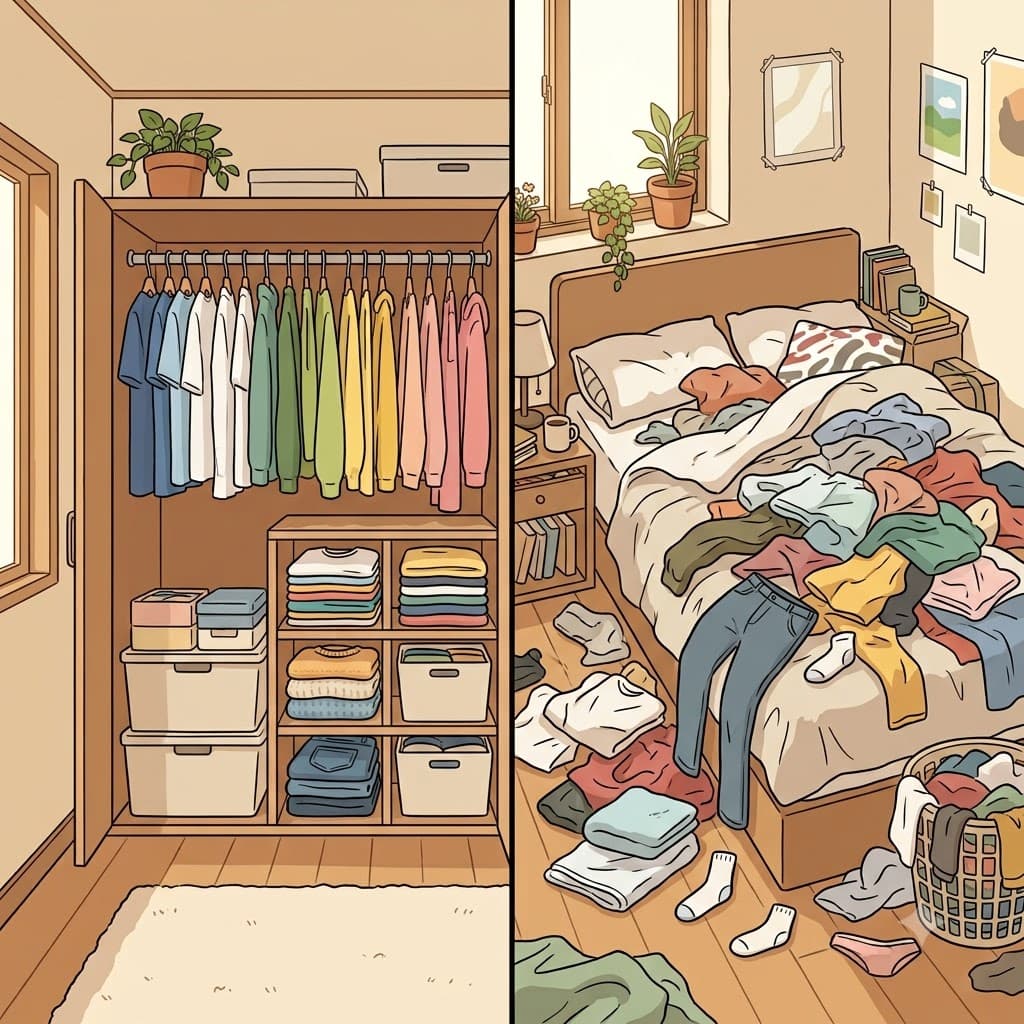
깔끔하게 정리된 옷장과 달리, 침대 위의 옷들은 완전히 되는 대로 무계획적으로(haphazard) 쌓여 있었다.

"Combining everything is a hazard!" Throwing random ingredients into the pot without a recipe showed his haphazard cooking style.
"대충 다 합(hap)하면 해저드(hazard/위험)해!" 레시피 없이 아무 재료나 냄비에 던져 넣는 것은 그의 무계획적인(haphazard) 요리 스타일을 보여주었다.

HAP(luck) + HAZARD(danger) — relying only on HAP instead of a plan created a falling HAZARD, proving the building was entirely haphazard.
HAP(운) + HAZARD(위험) — 설계도 없이 그저 운(HAP)에 맡긴 채 쌓아 올려 무너질 위험(HAZARD)을 만든 것은 완벽히 무계획적인(haphazard) 행동이었다.
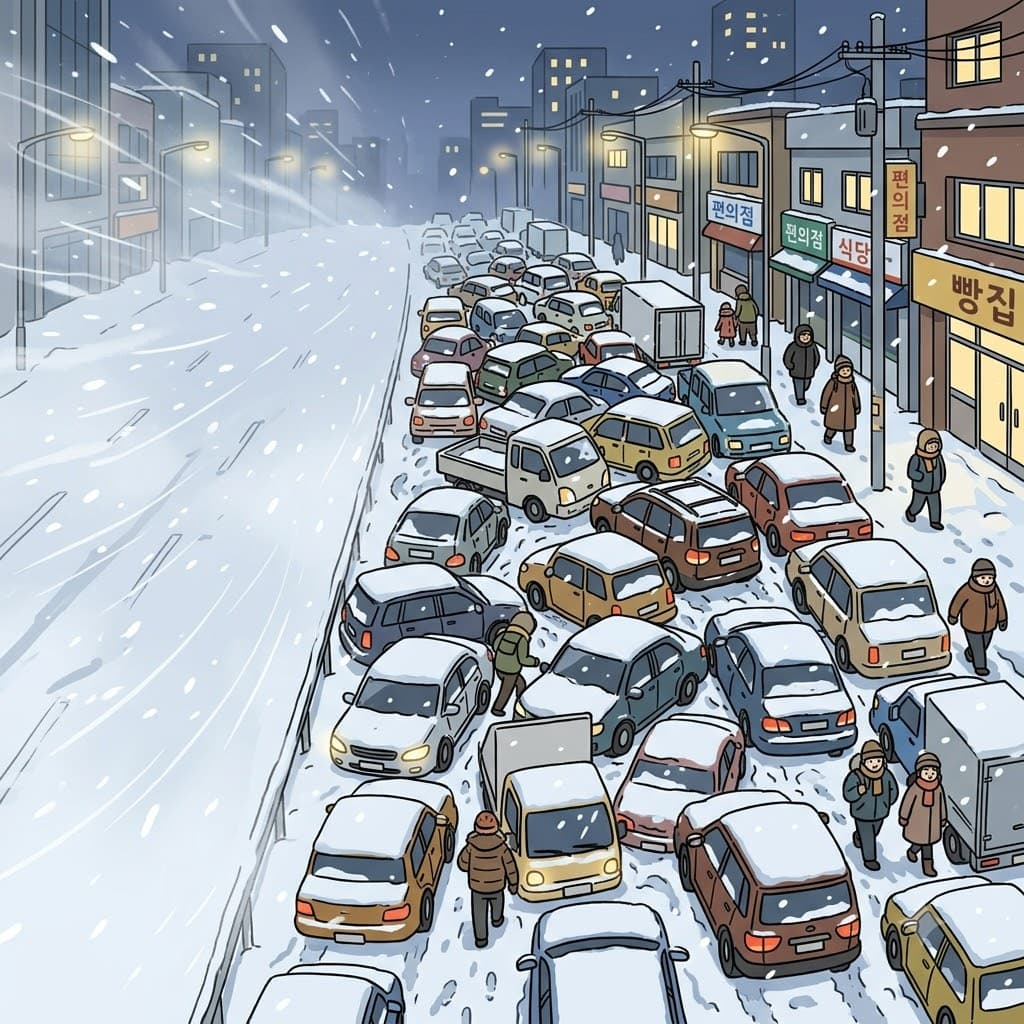
When the heavy blizzard struck, the panicked drivers left their cars in a completely haphazard mess on the street.
거센 눈보라(blizzard)가 몰아치자, 당황한 운전자들은 거리에 차를 완전히 무계획적이고 엉망으로(haphazard) 버려두었다.
🎤발음
🌳어원 분석
두 개의 독립적인 단어가 합쳐진 복합어
기원
16세기에 'hap'(우연)과 'hazard'(위험)가 결합되어 만들어진 단어입니다. 원래는 주사위 게임에서 나온 말로, 운에만 맡기는 위험한 행동을 의미했습니다.
형태소 분해
hap(우연) + hazard(위험)
진화 과정
16세기에 'hap'(우연)과 'hazard'(위험)가 결합되어 만들어진 단어입니다. 원래는 주사위 게임에서 나온 말로, 운에만 맡기는 위험한 행동을 의미했습니다.
💡창의적 암기법
AI Generated Mnemonic
햅해저드는 '햅! 해저드(골프 코스의 장애물)'처럼 들립니다. 골프장에서 '햅!' 하고 공을 아무 계획 없이 마구 쳤더니 해저드(모래 구덩이, 연못)에 빠뜨리는 상황을 상상해보세요.
💡 햅! 해저드에 공 떨어뜨리기 = 계획 없는
🎵라이밍 (Rhyme)
-azard로 끝나는 단어들과 함께 기억하기
-azard로 끝나는 단어들과 함께 기억하기
🔗연어 (Collocation)
마구잡이 방식
무질서한 방식
체계 없는 접근법
뒤죽박죽인 배열
마구 모은 수집품
허술한 계획
📝예문
“My room cleaning method is quite haphazard - I just throw everything into random drawers.”
내 방 청소법은 꽤 마구잡이다 - 그냥 아무 서랍에나 모든 걸 던져 넣는다.
“The company's haphazard hiring process resulted in some very interesting employees.”
회사의 무계획적인 채용 과정은 매우 흥미로운 직원들을 낳았다.
“She packed for her trip in a haphazard fashion, forgetting essential items.”
그녀는 여행 짐을 대충 쌌고, 필수품들을 깜빡했다.
“The haphazard distribution of resources led to inefficiency.”
자원의 무계획적인 분배는 비효율성을 초래했다.