deceased (디-시스트) — no longer alive; dead
Part of speech: ADJECTIVE
Definition: no longer alive; dead
Pronunciation (IPA): /dɪˈsiːst/
Korean meaning: 죽은, 사망한
Korean pronunciation: 디-시스트
Example Sentences
- The lawyer read the will of the deceased billionaire who left everything to his pet cat.
- We need to contact the next of kin of the deceased.
- The deceased actor's final movie was released posthumously.
deceased
ADJECTIVE[/dɪˈsiːst/]
디-시스트 (강세: 시스트)
no longer alive; dead
죽은, 사망한

가족들은 세상을 떠난 할아버지를 기리기 위해 모였다.

The town remembered a deceased hero for many years.
마을 사람들은 세상을 떠난 영웅을 오랫동안 기억했다. (디시스트 → 삶을 cease(멈춤))
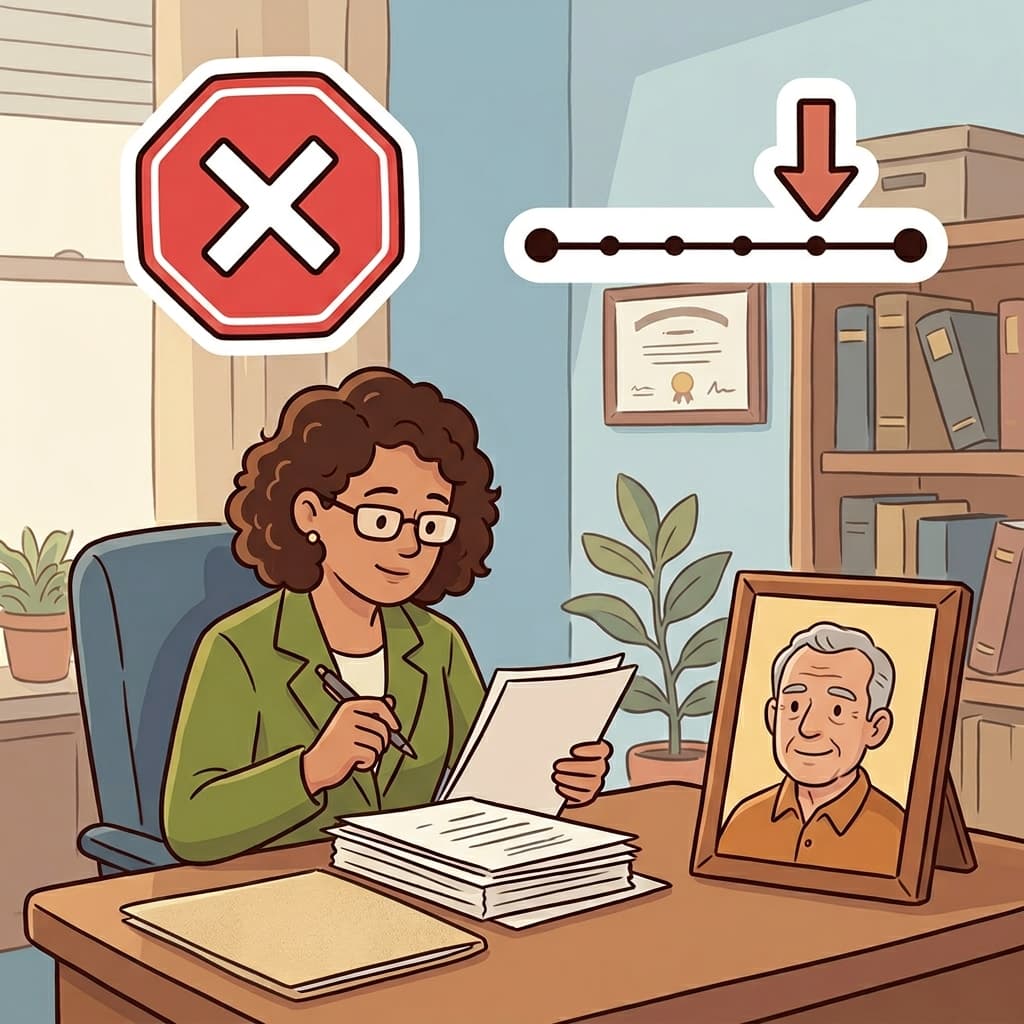
The lawyer handled the property of the deceased owner. (DEAD + CEASED → someone whose life has ceased)
변호사는 사망한 소유주의 재산을 처리했다.

The deceased are remembered in peace.
고인들은 평온한 마음으로 기억된다.
🎤발음
🌳어원 분석
동사 'decease(죽다)'의 과거분사형에서 형용사와 명사로 사용
기원
라틴어 'decedere'에서 유래되었습니다. 'de(떨어져서)' + 'cedere(가다)'로, 문자 그대로 '떠나가다'라는 의미에서 '죽다'의 뜻이 되었습니다.
형태소 분해
de(away) + cedere(to go) → decedere(to depart, die)
진화 과정
라틴어 'decedere'에서 유래되었습니다. 'de(떨어져서)' + 'cedere(가다)'로, 문자 그대로 '떠나가다'라는 의미에서 '죽다'의 뜻이 되었습니다.
💡창의적 암기법
AI Generated Mnemonic
'디시스트'는 '디씨에서 시스템이 멈춘(시스트) 상태'로 연상할 수 있습니다. 디씨(DC Comics)에서 슈퍼히어로가 시스템 다운되어 '죽은' 상태가 된 모습을 떠올려보세요.
💡 디씨 시스트(시스템 다운) = 죽은
🎵라이밍 (Rhyme)
-eased, -east 소리로 끝나는 단어들과 함께 기억
-eased, -east 소리로 끝나는 단어들과 함께 기억
-eased, -east 소리로 끝나는 단어들과 함께 기억
-eased, -east 소리로 끝나는 단어들과 함께 기억
-eased, -east 소리로 끝나는 단어들과 함께 기억
🔗연어 (Collocation)
고인
돌아가신 가족
고인을 기리다
고인의 재산
최근에 돌아가신
유산
📝예문
“The lawyer read the will of the deceased billionaire who left everything to his pet cat.”
변호사는 모든 재산을 애완 고양이에게 남긴 고인이 된 억만장자의 유언장을 읽었다.
“We need to contact the next of kin of the deceased.”
고인의 가장 가까운 친족에게 연락해야 한다.
“The deceased actor's final movie was released posthumously.”
고인이 된 배우의 마지막 영화가 사후에 개봉되었다.
“Surprisingly, the deceased man's ghost complained about the funeral food being too salty.”
놀랍게도 고인의 유령이 장례식 음식이 너무 짜다고 불평했다.