tannin (탠-닌) — A yellowish or brownish bitter-tasting organic substance present in some galls, barks, and other plant tissues, used in leather production and ink manufacture
Part of speech: NOUN
Definition: A yellowish or brownish bitter-tasting organic substance present in some galls, barks, and other plant tissues, used in leather production and ink manufacture
Pronunciation (IPA): /ˈtænɪn/
Korean meaning: 식물의 껍질이나 조직에 들어있는 황갈색의 쓴맛 나는 유기물질로, 가죽 제조나 잉크 제조에 사용되는 탄닌
Korean pronunciation: 탠-닌
Example Sentences
- My grandmother's black tea was so strong with tannins that it could probably tan a cow hide!
- The sommelier explained how tannins give red wine its dry, puckering sensation.
- Oak bark contains high levels of tannins, which ancient peoples used for leather processing.
tannin
NOUN[/ˈtænɪn/]
탠-닌 (강세: 탠)
A yellowish or brownish bitter-tasting organic substance present in some galls, barks, and other plant tissues, used in leather production and ink manufacture
식물의 껍질이나 조직에 들어있는 황갈색의 쓴맛 나는 유기물질로, 가죽 제조나 잉크 제조에 사용되는 탄닌

가죽과 잉크 제조에 쓰이는 탄닌

The sun transforms into tannin, painting trees brown!
태양이 탄닌으로 변신해서 나무를 갈색으로 칠하고 있어요!
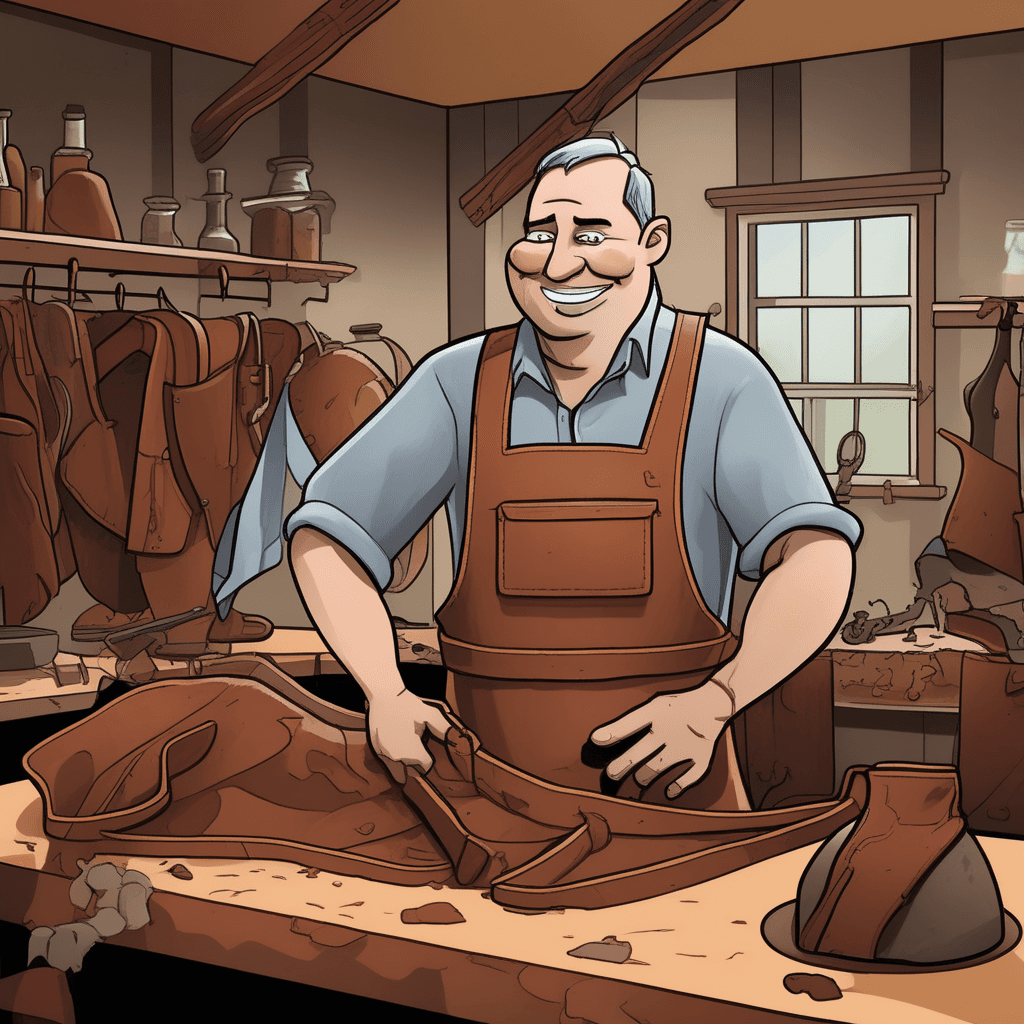
Tannin treatment makes the mannequin perfect, while adrenalin keeps the craftsman working!
가죽공방에서 탄닌 우리고, 마네킹 앞에서 아드레날린!
🎤발음
🌳어원 분석
화학 용어에서 자주 사용되는 -in 접미사 패턴
기원
18세기 프랑스어 'tanin'에서 유래되었으며, 이는 '가죽을 무두질하다'라는 뜻의 동사 'tan'에서 파생되었습니다. 고대부터 나무껍질의 탄닌을 이용해 동물 가죽을 가공했던 역사가 담겨있습니다.
형태소 분해
tan(무두질하다) + -in(화학물질 접미사)
진화 과정
18세기 프랑스어 'tanin'에서 유래되었으며, 이는 '가죽을 무두질하다'라는 뜻의 동사 'tan'에서 파생되었습니다. 고대부터 나무껍질의 탄닌을 이용해 동물 가죽을 가공했던 역사가 담겨있습니다.
💡창의적 암기법
AI Generated Mnemonic
'태닌'의 한글 발음이 '태양'의 '태'와 비슷한데, 태양에 오래 노출되면 피부가 갈색으로 변하는 것처럼, 탄닌도 식물을 갈색으로 만드는 물질이라고 기억하세요.
💡 태양 → 태닌 → 갈색 만드는 물질
🎵라이밍 (Rhyme)
-in으로 끝나는 단어들과 함께 리듬감 있게 암기
-in으로 끝나는 단어들과 함께 리듬감 있게 암기
-in으로 끝나는 단어들과 함께 리듬감 있게 암기
🔗연어 (Collocation)
포도 탄닌
탄닌 함량
탄닌을 추출하다
탄닌이 풍부한
떫은 탄닌
차의 탄닌
📝예문
“My grandmother's black tea was so strong with tannins that it could probably tan a cow hide!”
할머니의 홍차는 탄닌이 너무 진해서 소가죽도 무두질할 수 있을 것 같았다!
“The sommelier explained how tannins give red wine its dry, puckering sensation.”
소믈리에는 탄닌이 적포도주에 어떻게 드라이하고 입이 오그라드는 느낌을 주는지 설명했다.
“Oak bark contains high levels of tannins, which ancient peoples used for leather processing.”
참나무 껍질에는 탄닌이 많이 들어있어서 고대인들이 가죽 가공에 사용했다.
“After drinking the oversteeped green tea, his mouth felt like the Sahara Desert thanks to all those tannins.”
우려낸 지 오래된 녹차를 마신 후, 그 많은 탄닌 때문에 입안이 사하라 사막 같았다.