typically (티피컬리) — in a way that shows the characteristics expected of or popularly associated with a particular person, situation, or thing
Part of speech: ADVERB
Definition: in a way that shows the characteristics expected of or popularly associated with a particular person, situation, or thing
Pronunciation (IPA): /ˈtɪpɪkli/
Korean meaning: 전형적으로, 일반적으로, 보통
Korean pronunciation: 티피컬리
Example Sentences
- Korean students typically study until midnight, which explains why coffee shops are busier than libraries.
- Meetings typically run over time, especially when someone starts with 'I'll keep this brief.'
- The project typically takes three months to complete.
typically
ADVERB[/ˈtɪpɪkli/]
티피컬리
in a way that shows the characteristics expected of or popularly associated with a particular person, situation, or thing
전형적으로, 일반적으로, 보통

그녀는 아침마다 늘 같은 카푸치노를 시킨다.

He typically arrived twenty minutes late, wearing a sweaty T-shirt and scratching his curly hair beside the pizza table.
그는 보통 20분씩 늦게 나타났다. 땀에 젖은 티셔츠를 입고 피자 테이블 옆에서 곱슬머리를 긁적이는 모습도 늘 똑같았다. (티(ti)셔츠를 입고 피(pi)자 약속에 늦어 컬(cal) 난 머리를 긁적이는 건 늘 너다운 행동!)

The master typesetter typically rejected crooked metal letters and checked each brass stamp against the perfect reference impression. (TYPE: Greek typos, meaning an impression made by a blow, a stamp, or a model.)
숙련된 활판 인쇄공은 보통 비뚤어진 금속 활자는 버리고, 황동 활자로 찍은 견본이 표준 형태와 일치하는지 확인했다.
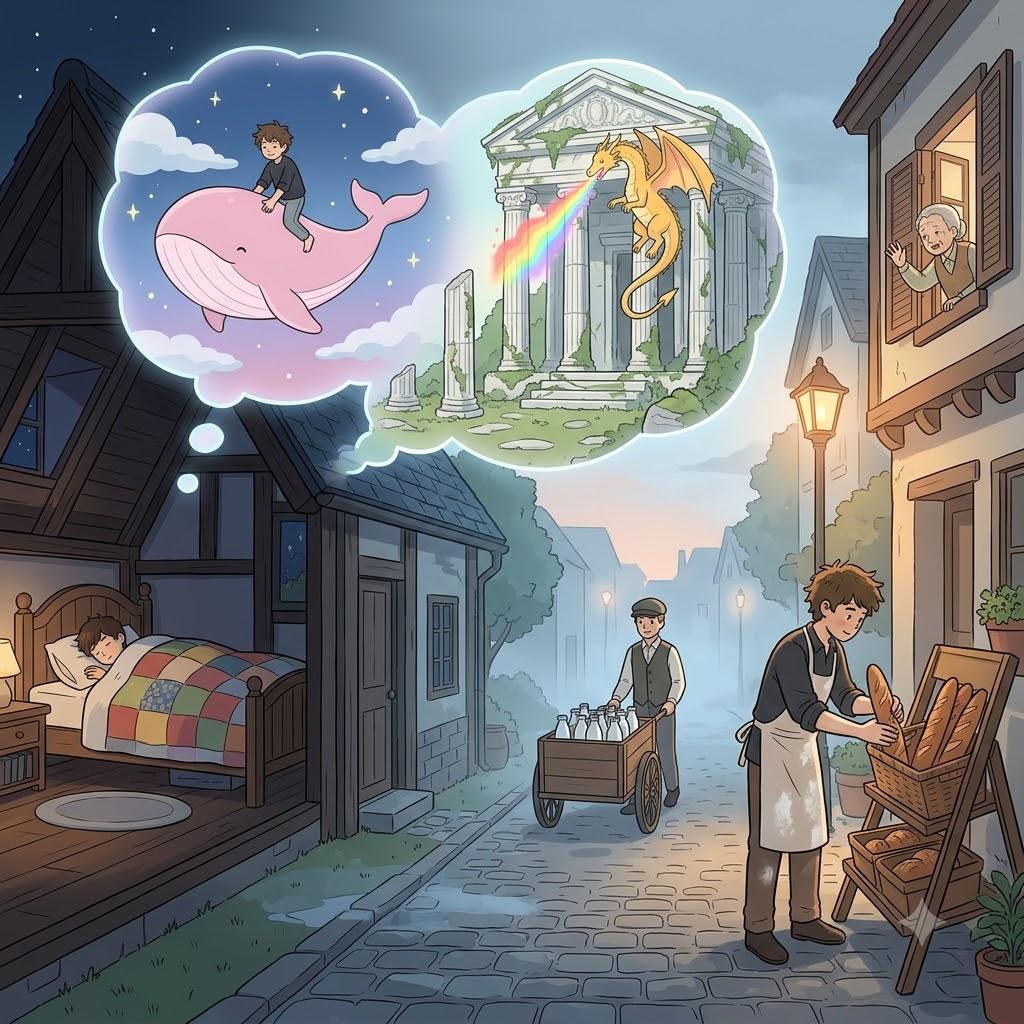
After a whimsical dream about a flying whale and mythical dragons, the baker typically began his morning by arranging fresh baguettes outside his shop.
하늘을 나는 고래와 신화 속 용이 등장하는 엉뚱한 꿈에서 깨어난 제빵사는, 평소처럼 가게 앞에 신선한 바게트를 진열하며 아침을 시작했다.
🎤발음
🌳어원 분석
typical + -ly의 결합으로 부사를 형성
기원
그리스어 'typos'(인상, 형태)에서 시작되어 라틴어를 거쳐 영어로 들어온 단어입니다. 원래는 '특정 형태나 패턴을 보여주는' 의미에서 '전형적인, 일반적인'의 뜻으로 발전했습니다.
형태소 분해
Greek typos (impression, figure) → Latin typicus → English typical + -ly
진화 과정
그리스어 'typos'(인상, 형태)에서 시작되어 라틴어를 거쳐 영어로 들어온 단어입니다. 원래는 '특정 형태나 패턴을 보여주는' 의미에서 '전형적인, 일반적인'의 뜻으로 발전했습니다.
💡창의적 암기법
AI Generated Mnemonic
**티**피컬리를 '**티**가 피어나는 컬리(curly) 머리'로 기억하세요. 곱슬머리에서 **티**가 나는 것이 **보통** 일어나는 일이라고 연상하면 '일반적으로'라는 뜻을 쉽게 기억할 수 있습니다.
💡 **티** + 피 + 컬리 = 보통 티가 나다
🎵라이밍 (Rhyme)
-ally로 끝나는 부사들과 함께 기억하면 좋습니다
-ally로 끝나는 부사들과 함께 기억하면 좋습니다
-ally로 끝나는 부사들과 함께 기억하면 좋습니다
🔗연어 (Collocation)
보통 발생하다
보통 지속되다
보통 비용이 들다
보통 ~에서 ~까지 범위를 이루다
보통 ~에서 볼 수 있는
더 일반적으로
상당히 전형적으로
📝예문
“Korean students typically study until midnight, which explains why coffee shops are busier than libraries.”
한국 학생들은 보통 자정까지 공부하는데, 이것이 도서관보다 카페가 더 붐비는 이유를 설명해준다.
“Meetings typically run over time, especially when someone starts with 'I'll keep this brief.'”
회의는 보통 시간을 초과하는데, 특히 누군가가 '간단히 말씀드리겠습니다'로 시작할 때 그렇다.
“The project typically takes three months to complete.”
그 프로젝트는 보통 완성하는 데 3개월이 걸린다.
“Typically, the weather is mild in spring.”
일반적으로 봄 날씨는 온화하다.