riddle (리-들) — A puzzling question or problem that requires clever thinking to solve. A mysterious or confusing situation.
Part of speech: NOUN
Definition: A puzzling question or problem that requires clever thinking to solve. A mysterious or confusing situation.
Pronunciation (IPA): /ˈrɪdəl/
Korean meaning: 수수께끼, 난제
Korean pronunciation: 리-들
Example Sentences
- The Sphinx asked travelers a deadly riddle before letting them pass.
- My dad's jokes are like riddles - nobody gets them except him.
- The old building was riddled with so many holes, it looked like Swiss cheese.
riddle
NOUN[/ˈrɪdəl/]
리-들 (강세: 리)
A puzzling question or problem that requires clever thinking to solve. A mysterious or confusing situation.
수수께끼, 난제
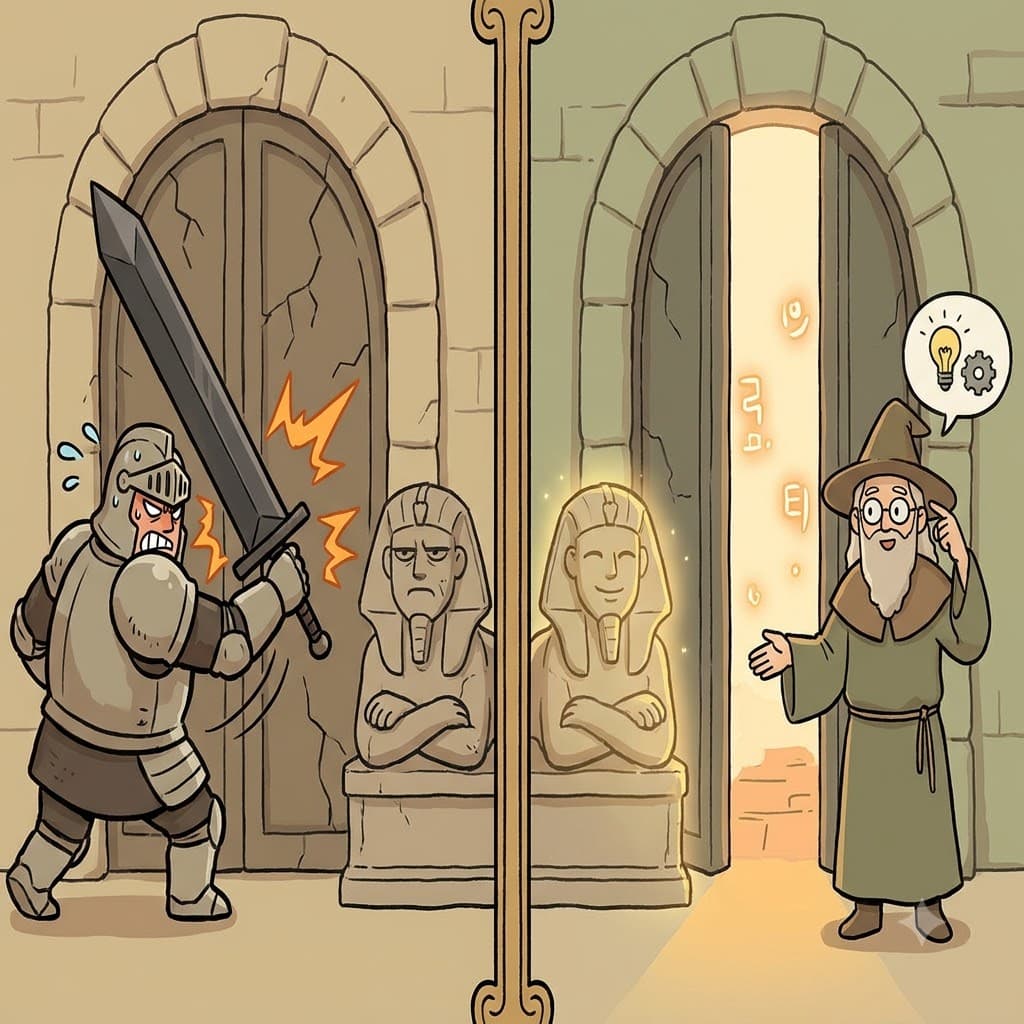
힘센 기사가 돌문을 부수지 못한 반면, 똑똑한 마법사는 스핑크스의 까다로운 수수께끼(riddle)를 풀어 그것을 쉽게 열었다.
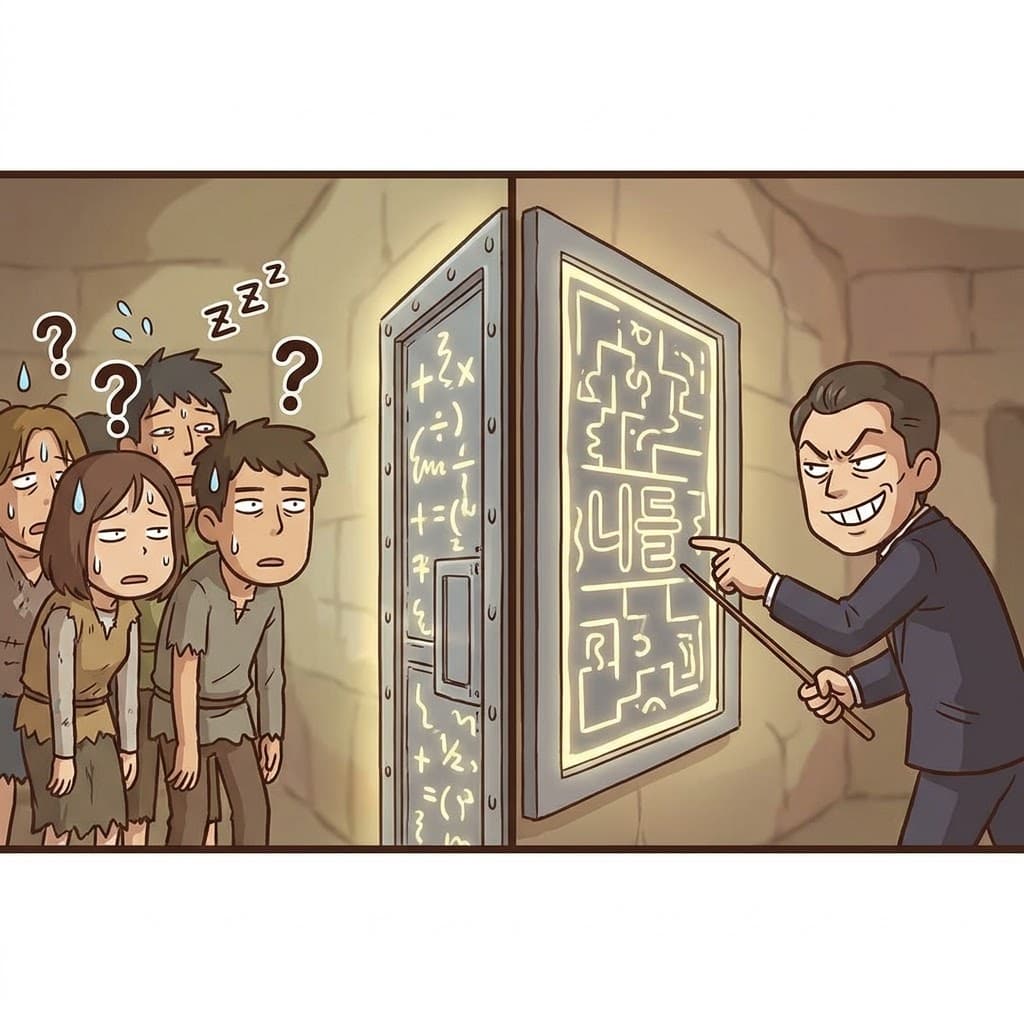
"Can any of you guys solve this?" Pointing at the complex puzzle, the villain gave the heroes a deadly riddle.
"니들(riddle) 중에 이거 풀 사람 있어?" 복잡한 퍼즐을 가리키며, 악당은 영웅들에게 치명적인 수수께끼(riddle)를 내었다.
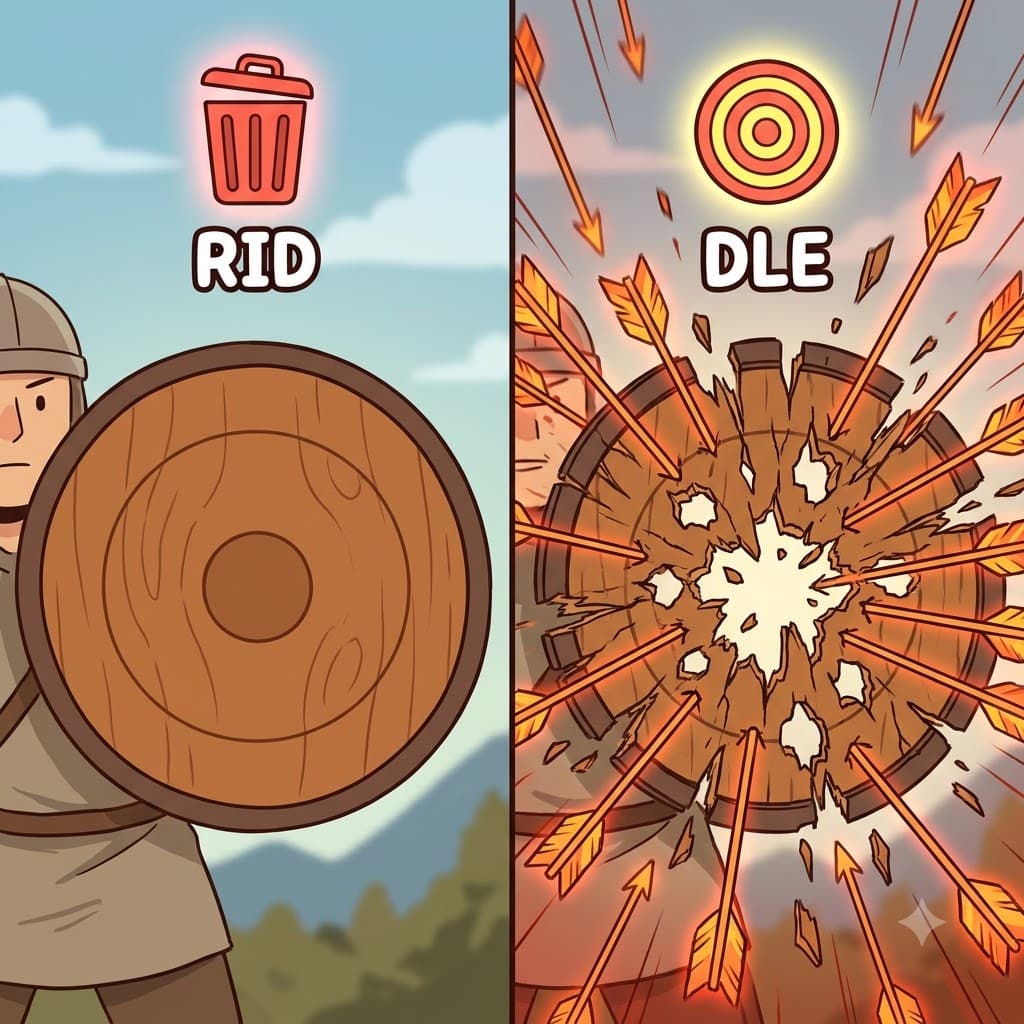
RID(get rid of) + DLE(middle) — managing to completely RID(get rid of) the DLE(middle) of the target, the archers began to riddle the wooden shield with arrows.
RID(제거하다) + DLE(가운데) — 표적의 가운데(DLE)를 완전히 제거하며(RID), 궁수들은 나무 방패에 화살로 구멍을 숭숭 뚫기(riddle) 시작했다.
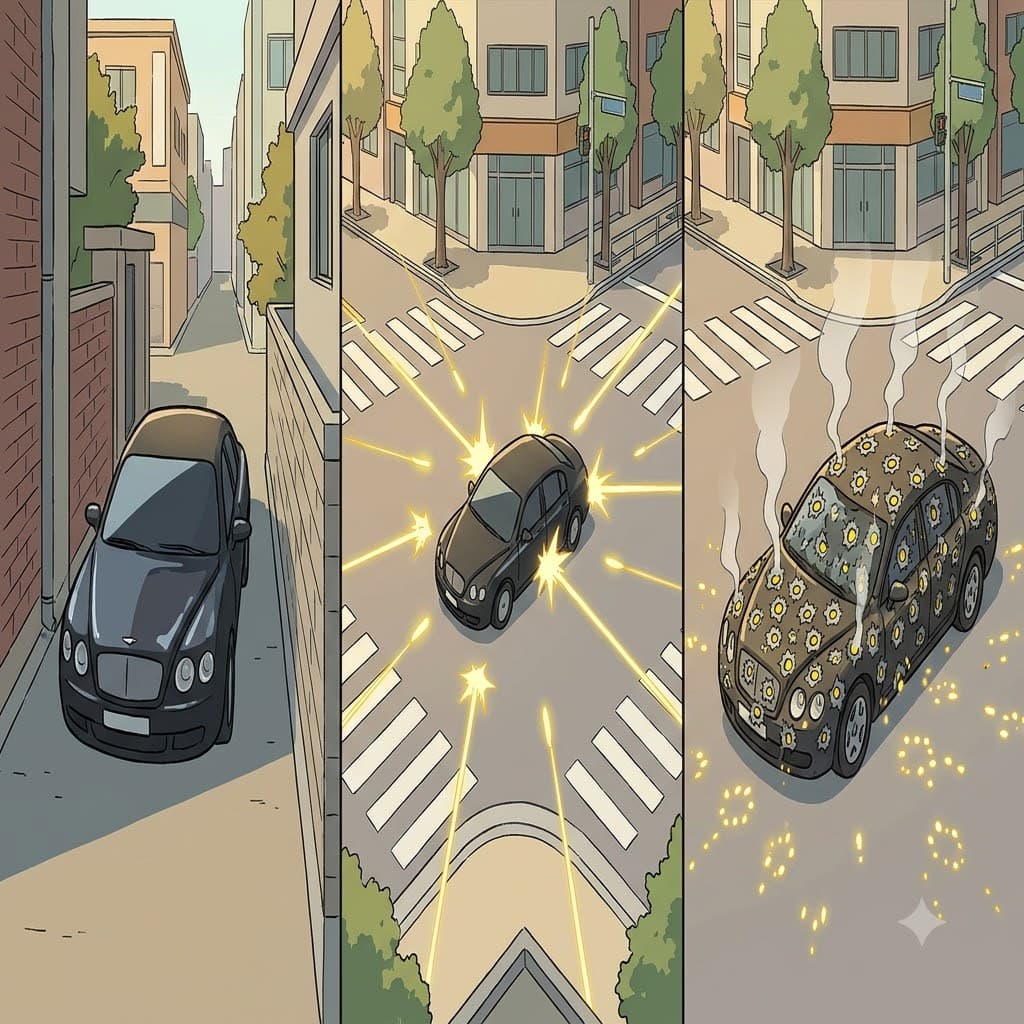
Parking his shiny car directly in the middle of the ambush, he watched the enemies completely riddle the metal doors with bullets.
매복의 한가운데(middle)에 빛나는 차를 주차하고, 그는 적들이 금속 문을 총알로 완전히 벌집으로 만드는(riddle) 것을 지켜보았다.
🎤발음
🌳어원 분석
고대 영어 rǣdelse(해석, 의견)에서 유래한 단어
기원
고대 영어 'rǣdelse'에서 유래되었으며, '조언하다, 해석하다'를 뜻하는 'rǣdan'에서 파생되었습니다. 중세시대 궁정에서 지혜를 시험하는 수수께끼 놀이가 유행하면서 현재의 의미로 발전했습니다.
형태소 분해
rǣdelse (조언, 해석) → riddle
진화 과정
고대 영어 'rǣdelse'에서 유래되었으며, '조언하다, 해석하다'를 뜻하는 'rǣdan'에서 파생되었습니다. 중세시대 궁정에서 지혜를 시험하는 수수께끼 놀이가 유행하면서 현재의 의미로 발전했습니다.
💡창의적 암기법
AI Generated Mnemonic
리들~ 소리에 뇌가 돌돌
💡 리들~ 소리에 뇌가 돌돌
🎵라이밍 (Rhyme)
📝예문
“The Sphinx asked travelers a deadly riddle before letting them pass.”
스핑크스는 여행자들을 통과시키기 전에 목숨을 건 수수께끼를 냈다.
“My dad's jokes are like riddles - nobody gets them except him.”
우리 아빠 농담은 수수께끼 같아 - 본인 빼고는 아무도 이해 못 해.
“The old building was riddled with so many holes, it looked like Swiss cheese.”
오래된 건물은 구멍이 너무 많아서 스위스 치즈 같았다.
“Her explanation was a riddle wrapped in a mystery inside an enigma.”
그녀의 설명은 수수께끼 속의 미스터리 안에 감춰진 또 다른 수수께끼였다.