obituary (어-비-츄-에리) — a notice of a death, especially in a newspaper, typically including a brief biography of the deceased person
Part of speech: NOUN
Definition: a notice of a death, especially in a newspaper, typically including a brief biography of the deceased person
Pronunciation (IPA): /əˈbɪtʃuˌɛri/
Korean meaning: 부고, 사망 기사 (신문 등에 실리는 고인의 간단한 전기를 포함한 사망 소식)
Korean pronunciation: 어-비-츄-에리
Example Sentences
- His obituary was so boring that even he would have fallen asleep reading it.
- The newspaper obituary described her as a beloved community member.
- Mark Twain famously said that reports of his death in the obituary were greatly exaggerated.
obituary
NOUN[/əˈbɪtʃuˌɛri/]
어-비-츄-에리 (강세: 비)
a notice of a death, especially in a newspaper, typically including a brief biography of the deceased person
부고, 사망 기사 (신문 등에 실리는 고인의 간단한 전기를 포함한 사망 소식)
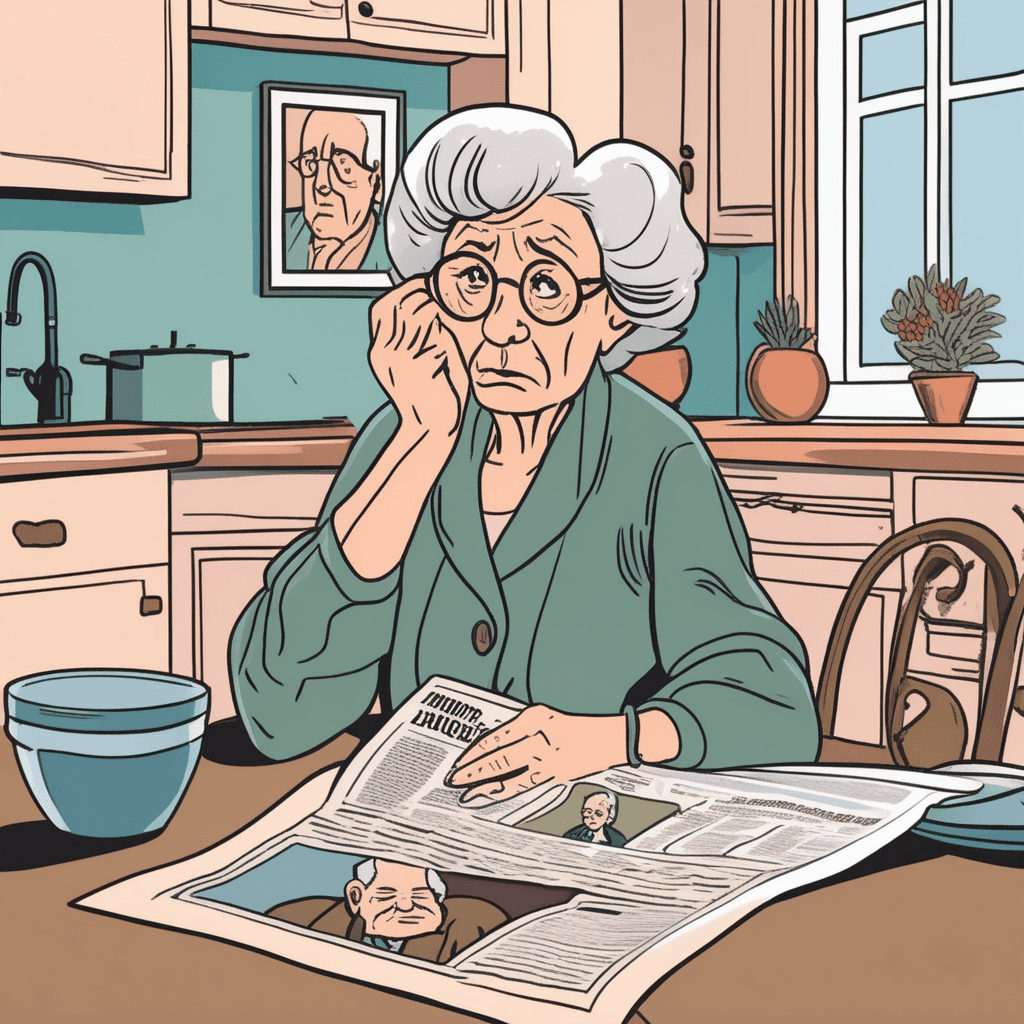
신문 부고란을 읽는 모습

Oh? When I shine the light, our grandfather is in the obituary!
어? 비추어 보니 우리 할아버지가 부고란에!

Oh bit, you airy now — ghost reads obituary!
오, 넌 이제 허공이야!

Writing an obituary in January
1월의 책상 위, 부고를 쓰는 손길이 무겁다
🎤발음
🌳어원 분석
obit는 단독으로도 '부고'라는 뜻으로 사용됩니다
기원
라틴어 'obituarius'에서 유래했습니다. 'obitus(죽음)'와 '-ary(~에 관한)'가 결합된 말로, 말 그대로 '죽음에 관한 기록'이라는 뜻입니다. 고대 로마 시대부터 중요한 인물의 죽음을 기록하는 전통이 있었죠.
형태소 분해
obitus(죽음) + -arius(~에 관한)
진화 과정
라틴어 'obituarius'에서 유래했습니다. 'obitus(죽음)'와 '-ary(~에 관한)'가 결합된 말로, 말 그대로 '죽음에 관한 기록'이라는 뜻입니다. 고대 로마 시대부터 중요한 인물의 죽음을 기록하는 전통이 있었죠.
💡창의적 암기법
AI Generated Mnemonic
'어비추어리'를 '어? 비추어서 보니 우리 할아버지가...'로 연상해보세요. 신문의 부고란을 비추어서(자세히) 보니 아는 사람의 사망 소식이 있다는 상황입니다.
💡 어? 비추어 보니 우리 할아버지 → 부고
🎵라이밍 (Rhyme)
-uary로 끝나는 단어들과 함께 기억: January, February,uary 패턴
-uary로 끝나는 단어들과 함께 기억: January, February,uary 패턴
-uary로 끝나는 단어들과 함께 기억: January, February,uary 패턴
🔗연어 (Collocation)
부고를 작성하다
부고를 게재하다
부고 공고
부고란을 읽다
부고 칼럼
시기상조인 부고
📝예문
“His obituary was so boring that even he would have fallen asleep reading it.”
그의 부고는 너무 지루해서 본인이 읽어도 잠들었을 것이다.
“The newspaper obituary described her as a beloved community member.”
신문 부고에서는 그녀를 사랑받는 지역사회 구성원으로 묘사했다.
“Mark Twain famously said that reports of his death in the obituary were greatly exaggerated.”
마크 트웨인은 부고에 실린 자신의 사망 소식이 크게 과장되었다고 유명하게 말했다.
“She started reading obituaries daily after turning 70, looking for familiar names.”
그녀는 70세가 된 후 매일 부고를 읽기 시작했는데, 아는 이름을 찾기 위해서였다.