vacantly (베이-컨트-리 (강세: 베이)) — in a way that shows no intelligence, interest, or thought; blankly
Part of speech: ADVERB
Definition: in a way that shows no intelligence, interest, or thought; blankly
Pronunciation (IPA): /ˈveɪkəntli/
Korean meaning: 멍하게, 공허하게, 생각 없이
Korean pronunciation: 베이-컨트-리 (강세: 베이)
Example Sentences
- After staying up all night gaming, Tom smiled vacantly when his mom asked about homework.
- The student nodded vacantly during the math class, clearly not understanding anything.
- She gazed vacantly at her phone screen, wondering why she opened it in the first place.
vacantly
ADVERB[/ˈveɪkəntli/]
베이-컨트-리 (강세: 베이)
in a way that shows no intelligence, interest, or thought; blankly
멍하게, 공허하게, 생각 없이

지친 직원은 꺼진 빈 모니터를 멍하니(vacantly) 바라보았다.

The old man sat vacantly with bacon stuck in his dentures.
할아버지는 베이컨(vacan)을 문 틀니(tly)를 한 채로 멍하니(vacantly) 허공을 응시했다.
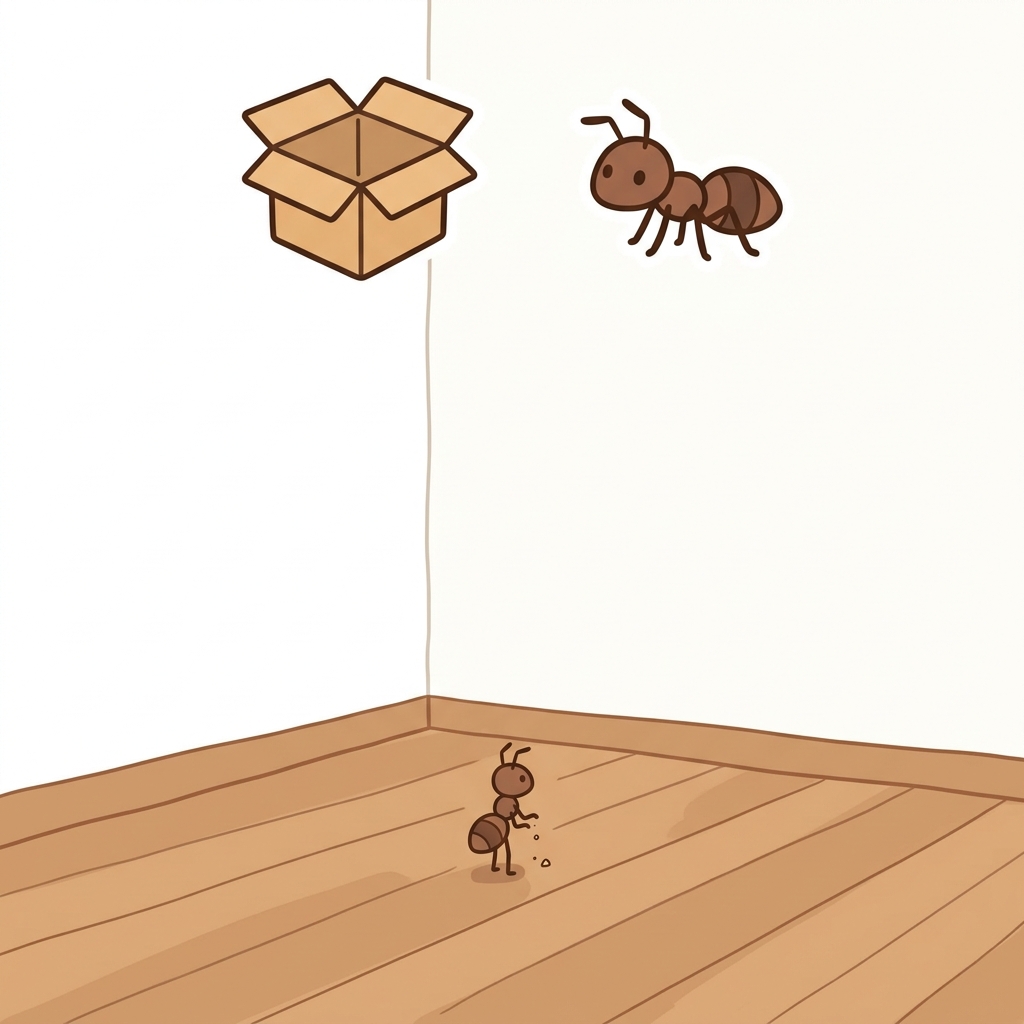
VAC(empty) + ANT(ant) — the tiny ant stared vacantly at the completely empty room.
VAC(비어있는) + ANT(개미) — 작은 개미(ANT)가 텅 빈(VAC) 방을 멍하니(vacantly) 응시했다.

While he talked constantly, she just stared through him vacantly.
남자가 끊임없이(constantly) 떠드는 동안, 그녀는 그저 허공만 멍하니(vacantly) 응시했다.
🎤발음
🌳어원 분석
형용사 vacant에 부사 어미 -ly가 결합
기원
라틴어 'vacuus(비어있는)'에서 유래하여, 'vacant(공허한)'에 부사 어미 '-ly'가 붙어 형성되었습니다. 마치 머릿속이 텅 빈 것처럼 멍한 상태를 표현하는 단어입니다.
형태소 분해
vacant(공허한) + -ly(부사형 어미)
진화 과정
라틴어 'vacuus(비어있는)'에서 유래하여, 'vacant(공허한)'에 부사 어미 '-ly'가 붙어 형성되었습니다. 마치 머릿속이 텅 빈 것처럼 멍한 상태를 표현하는 단어입니다.
💡창의적 암기법
AI Generated Mnemonic
'베이컨틀리'는 '베이컨을 틀리게' 굽다가 멍하니 있는 모습을 연상해보세요. 베이컨을 굽다가 정신이 나간 채로 멍하게 서있는 사람의 모습이 딱 vacantly의 의미입니다.
💡 베이컨 틀리게 → 멍하게
🎵라이밍 (Rhyme)
-ently 어미로 끝나는 부사들과 함께 암기
-ently 어미로 끝나는 부사들과 함께 암기
-ently 어미로 끝나는 부사들과 함께 암기
🔗연어 (Collocation)
멍하게 바라보다
멍하게 미소짓다
공허하게 보다
멍하게 응시하다
멍하게 고개를 끄덕이다
📝예문
“After staying up all night gaming, Tom smiled vacantly when his mom asked about homework.”
밤새 게임을 한 후, 톰은 엄마가 숙제에 대해 물어봤을 때 멍하게 웃었다.
“The student nodded vacantly during the math class, clearly not understanding anything.”
그 학생은 수학 시간에 멍하게 고개를 끄덕였는데, 분명히 아무것도 이해하지 못하고 있었다.
“She gazed vacantly at her phone screen, wondering why she opened it in the first place.”
그녀는 핸드폰 화면을 멍하게 바라보며, 애초에 왜 폰을 켰는지 궁금해했다.
“The tired worker stared vacantly at the computer monitor, his mind completely elsewhere.”
피곤한 직장인은 컴퓨터 모니터를 멍하게 바라보며, 마음은 완전히 다른 곳에 있었다.