dominant (**도**미넌트) — having power and influence over others; most important, powerful, or influential
Part of speech: ADJECTIVE
Definition: having power and influence over others; most important, powerful, or influential
Pronunciation (IPA): /ˈdɑːmɪnənt/
Korean meaning: 지배적인, 우세한, 가장 영향력 있는
Korean pronunciation: **도**미넌트
Example Sentences
- My cat thinks he's the dominant species in our house.
- English is the dominant language in international business.
- Pizza became the dominant food choice at our office meetings after the salad rebellion of 2023.
dominant
ADJECTIVE[/ˈdɑːmɪnənt/]
도미넌트
having power and influence over others; most important, powerful, or influential
지배적인, 우세한, 가장 영향력 있는

높은 성은 아래의 작은 마을보다 훨씬 압도적이었다.

The giant sea bream was the dominant dish on the dinner table.
커다란 도미 요리는 식탁에서 가장 눈에 띄는 음식이었다. ("도미넌트! 도미가 식탁에서 제일 눈에 띈다!")
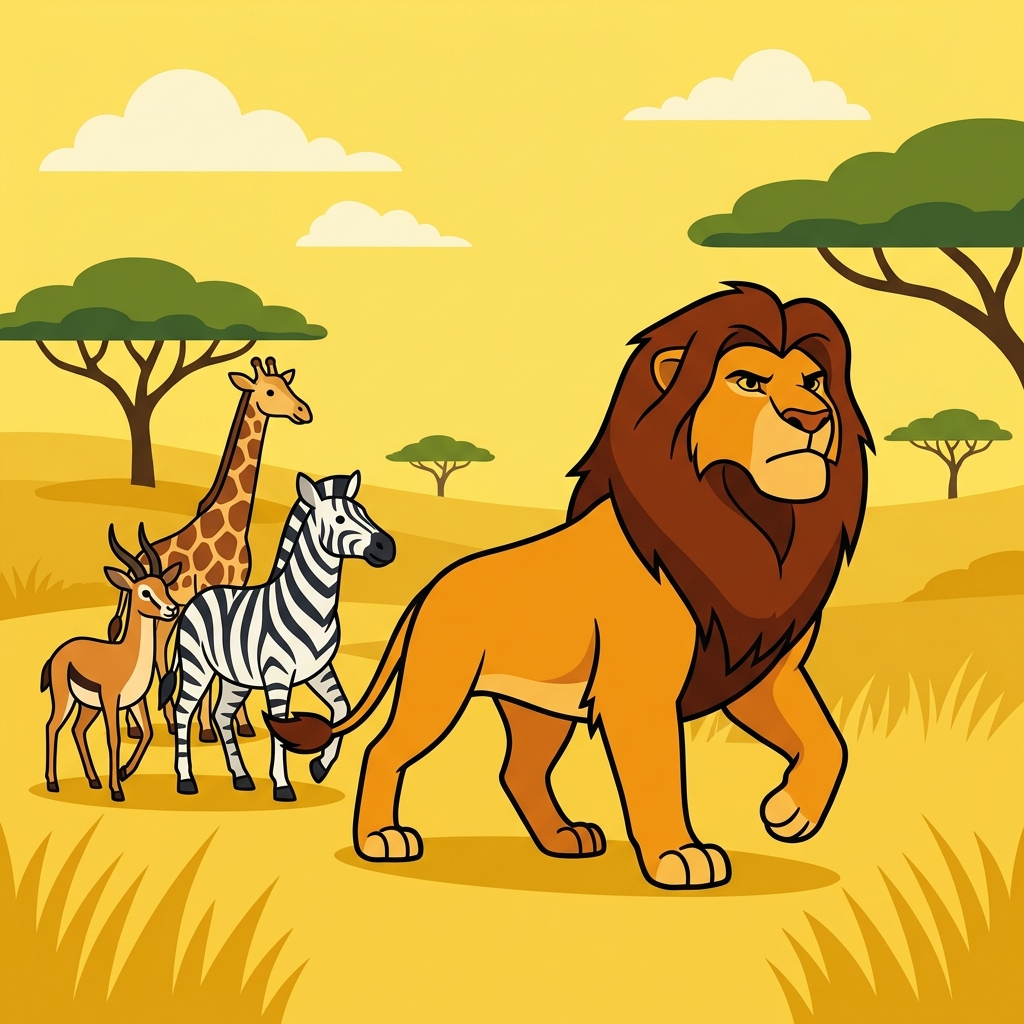
The dominant lion walked at the front while the other animals followed behind. (DOMINANT → DOMINATE + ANT → the strongest one in a group = dominant)
우두머리 사자는 앞장서 걸었고 다른 동물들은 그 뒤를 따랐다.

The dominant player became prominent in the match and felt confident after winning.
압도적인 선수는 경기에서 두드러졌고 승리한 뒤 자신감을 느꼈다.
🎤발음
🌳어원 분석
라틴어 어근 domin-은 domain, dominate 등에서도 발견됩니다
기원
라틴어 'dominari(지배하다)'에서 유래. 고대 로마에서 'dominus'는 집의 주인을 의미했고, 이것이 '지배하다'라는 동사로 발전했습니다.
형태소 분해
domin(주인) + ant(형용사 어미)
진화 과정
라틴어 'dominari(지배하다)'에서 유래. 고대 로마에서 'dominus'는 집의 주인을 의미했고, 이것이 '지배하다'라는 동사로 발전했습니다.
💡창의적 암기법
AI Generated Mnemonic
도미넌트! 도미(생선)가 ant(개미) 지배
💡 도미넌트! 도미(생선)가 ant(개미) 지배
🎵라이밍 (Rhyme)
모두 -inent로 끝나는 단어들과 함께 외우면 좋습니다
모두 -inent로 끝나는 단어들과 함께 외우면 좋습니다
🔗연어 (Collocation)
지배적 위치
주류 문화
주로 쓰는 손
우점종
우성 유전자
지배적인 힘
📝예문
“My cat thinks he's the dominant species in our house.”
우리 고양이는 자신이 집에서 지배적인 종족이라고 생각한다.
“English is the dominant language in international business.”
영어는 국제 비즈니스에서 지배적인 언어이다.
“Pizza became the dominant food choice at our office meetings after the salad rebellion of 2023.”
2023년 샐러드 반란 이후 피자가 우리 사무실 회의에서 지배적인 음식 선택이 되었다.
“Technology companies have become dominant players in the global economy.”
기술 기업들이 세계 경제에서 지배적인 역할을 하게 되었다.