miser (마이저) — a person who hoards wealth and spends as little money as possible
Part of speech: NOUN
Definition: a person who hoards wealth and spends as little money as possible
Pronunciation (IPA): /ˈmaɪzər/
Korean meaning: 구두쇠, 수전노 (돈을 아끼고 쌓아두기만 하는 사람)
Korean pronunciation: 마이저
Example Sentences
- Despite being a millionaire, the miser still collected free ketchup packets from McDonald's.
- The miser counted every penny twice before spending it on anything.
- His reputation as a miser was so famous that even his own children had to pay rent to visit him.
miser
NOUN[/ˈmaɪzər/]
마이저
a person who hoards wealth and spends as little money as possible
구두쇠, 수전노 (돈을 아끼고 쌓아두기만 하는 사람)
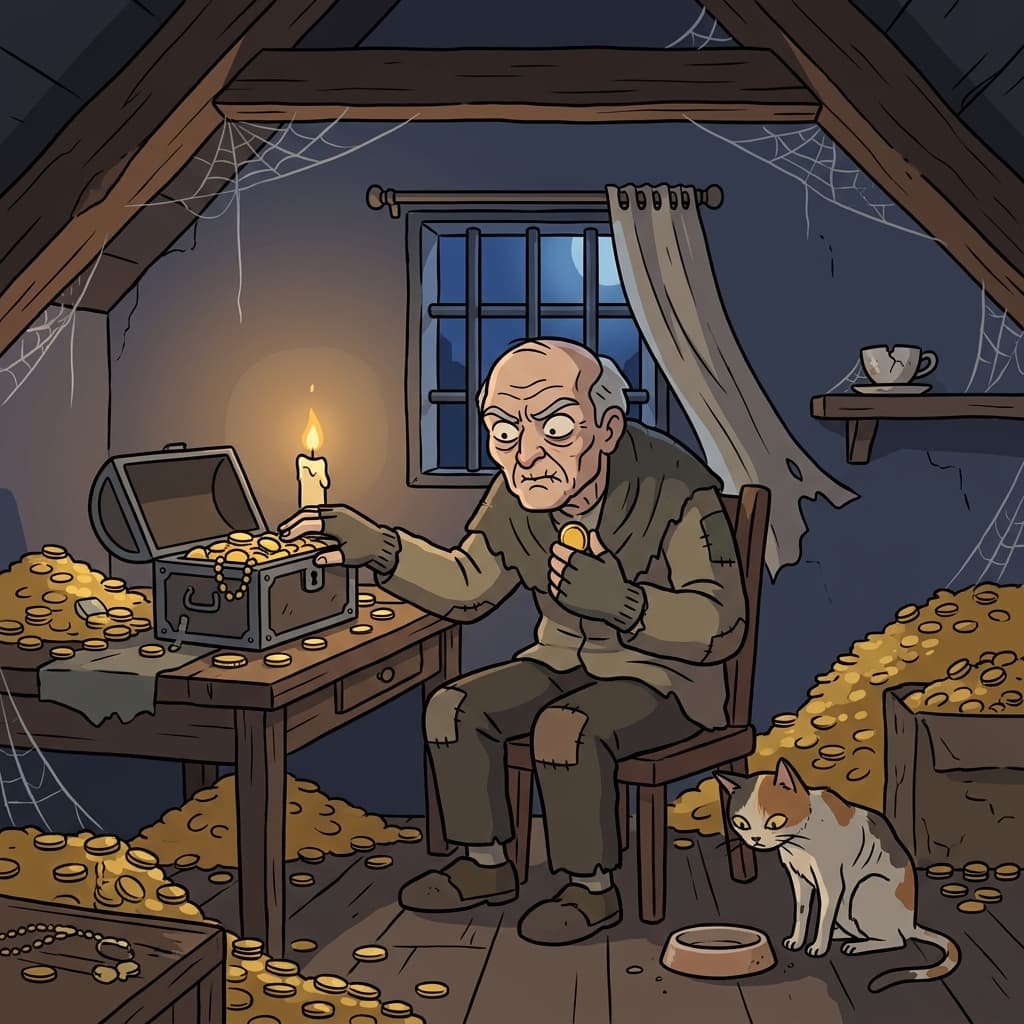
늙은 구두쇠는 동전을 두 번씩 세고서야 상자를 잠갔다.
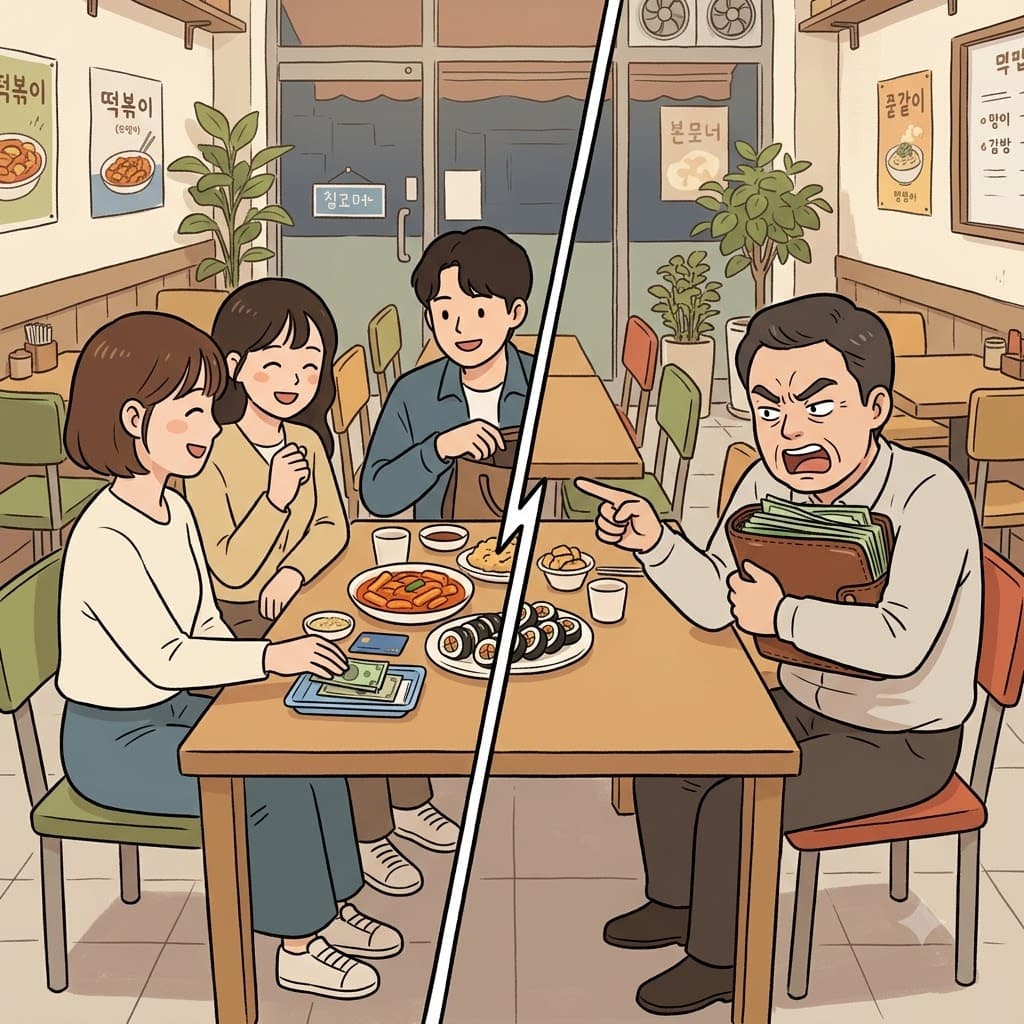
"Give me much more!" The greedy miser only took from others and never spent his own money.
"나한테 마이 줘(miser)!" 그 탐욕스러운 구두쇠(miser)는 남들에게서 받기만 하고 자기 돈은 절대 쓰지 않았다.
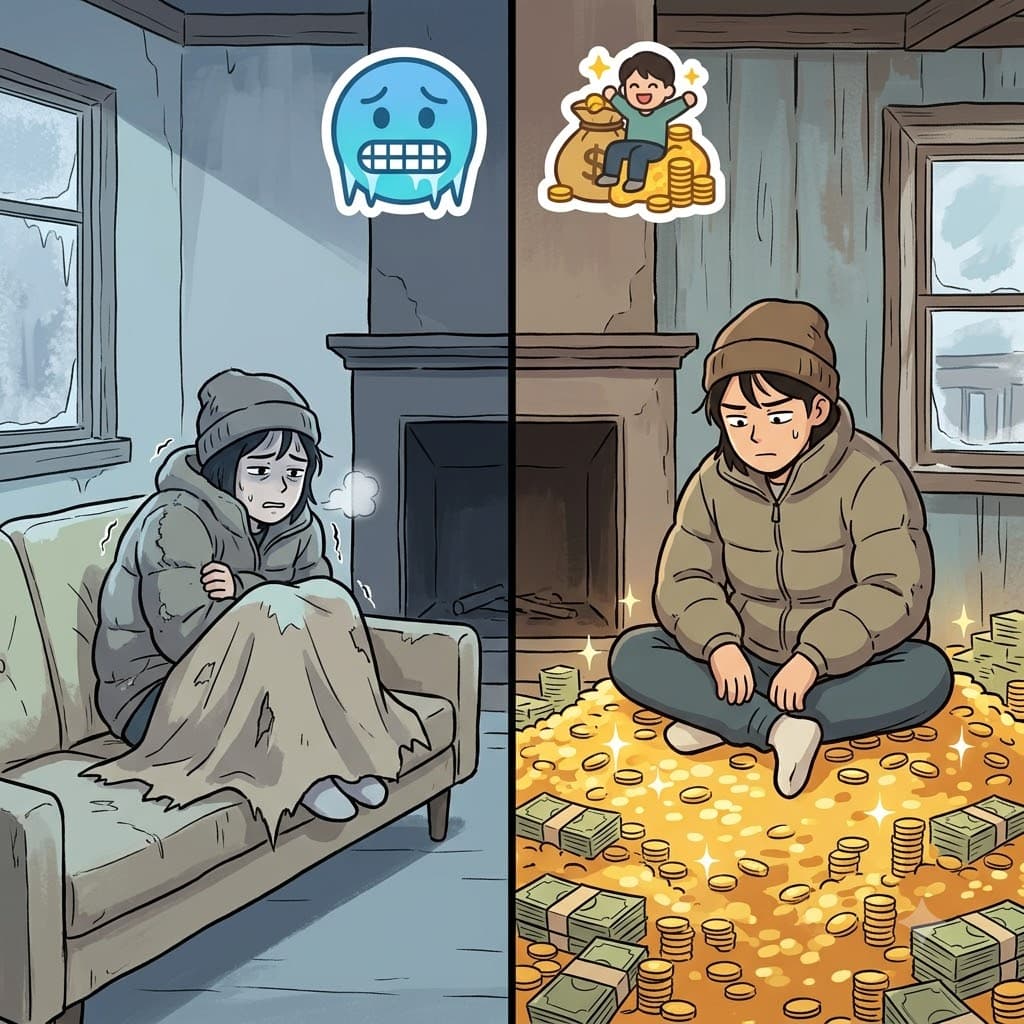
MIS (wretched) + ER (person) — by choosing to live a MIS (wretched) life just to hoard gold, the ER (person) became a lonely miser.
MIS (비참한/궁핍한) + ER (사람) — 오직 금을 모으기 위해 비참한(MIS) 삶을 살기로 선택함으로써, 그 사람(ER)은 외로운 구두쇠(miser)가 되었다.

Listening to his financial advisor to become wiser, he saved too much and turned into a sad miser.
더 현명해지기(wiser) 위해 재무 고문(advisor)의 말을 듣다가, 그는 돈을 너무 많이 아껴서 슬픈 구두쇠(miser)로 변해버렸다.
🎤발음
🌳어원 분석
라틴어 어근 그대로 영어에서 사용되는 단어
기원
라틴어 'miser'에서 유래되었으며, 원래 '비참한, 불쌍한'이라는 의미였습니다. 돈에 집착하여 자신을 비참하게 만드는 사람이라는 개념에서 현재의 '구두쇠' 의미로 발전했습니다.
형태소 분해
miser (wretched, unhappy)
진화 과정
라틴어 'miser'에서 유래되었으며, 원래 '비참한, 불쌍한'이라는 의미였습니다. 돈에 집착하여 자신을 비참하게 만드는 사람이라는 개념에서 현재의 '구두쇠' 의미로 발전했습니다.
💡창의적 암기법
AI Generated Mnemonic
**마이**저를 '마이(my) 저금통'으로 연상해보세요. 구두쇠는 '내 저금통'만 생각하며 돈을 모으기만 하고 쓰지 않는 사람입니다.
💡 마이 저금통 → 구두쇠
🎵라이밍 (Rhyme)
-iser 소리로 끝나는 단어들과 함께 기억하기
-iser 소리로 끝나는 단어들과 함께 기억하기
-iser 소리로 끝나는 단어들과 함께 기억하기
🔗연어 (Collocation)
늙은 구두쇠
구두쇠 같은 행동
욕심 많은 구두쇠
구두쇠처럼 살다
악명 높은 구두쇠
📝예문
“Despite being a millionaire, the miser still collected free ketchup packets from McDonald's.”
백만장자임에도 불구하고, 그 구두쇠는 여전히 맥도날드에서 무료 케첩 봉지를 모았다.
“The miser counted every penny twice before spending it on anything.”
그 구두쇠는 어떤 것을 사기 전에 동전 하나하나를 두 번씩 세었다.
“His reputation as a miser was so famous that even his own children had to pay rent to visit him.”
그의 구두쇠 명성은 너무 유명해서 심지어 자신의 자녀들도 그를 만나러 갈 때 임대료를 내야 했다.
“The old miser left behind a fortune when he died, but no one to inherit his kindness.”
그 늙은 구두쇠는 죽을 때 큰 재산을 남겼지만, 그의 친절함을 물려받을 사람은 없었다.