messenger (메신저) — a person who carries a message or is employed to carry messages
Part of speech: NOUN
Definition: a person who carries a message or is employed to carry messages
Pronunciation (IPA): /ˈmesɪndʒər/
Korean meaning: 메시지를 전달하는 사람, 전령
Korean pronunciation: 메신저
Example Sentences
- Don't shoot the messenger - I'm just telling you what the boss said!
- The messenger app crashed right when I was about to send my love confession.
- In ancient times, messengers traveled on horseback to deliver important news.
messenger
NOUN[/ˈmesɪndʒər/]
메신저
a person who carries a message or is employed to carry messages
메시지를 전달하는 사람, 전령

왕궁 마당으로 전령이 밀봉된 편지를 들고 급히 달려온다.

Medieval messenger rushing to deliver an important message to the castle
메신저가 메시지를 전달하러 달린다!
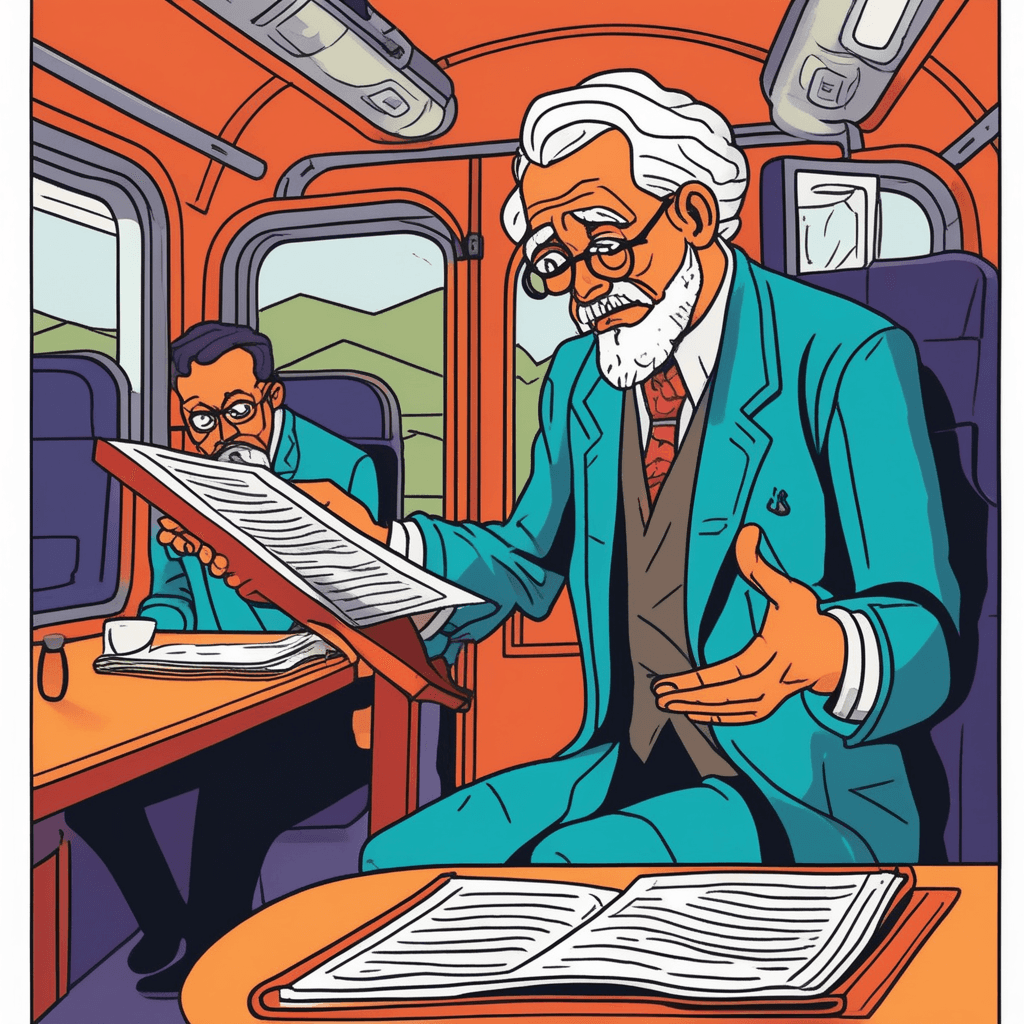
From passenger to messenger, the professor's mission begins!
승객에서 전령으로, 교수의 특별한 임무!
🎤발음
🌳어원 분석
message에 행위자를 나타내는 접미사 -er이 결합
기원
고대 프랑스어 'messagier'에서 유래하여, '메시지'를 의미하는 'message'에 '-er' 접미사가 붙어 '메시지를 전하는 사람'이라는 의미가 되었습니다.
형태소 분해
message(메시지) + -er(하는 사람)
진화 과정
고대 프랑스어 'messagier'에서 유래하여, '메시지'를 의미하는 'message'에 '-er' 접미사가 붙어 '메시지를 전하는 사람'이라는 의미가 되었습니다.
💡창의적 암기법
AI Generated Mnemonic
메신저! 메시지 전하는 자
💡 메신저! 메시지 전하는 자
🎵라이밍 (Rhyme)
-enger 패턴으로 연결해서 기억하기
-enger 패턴으로 연결해서 기억하기
🔗연어 (Collocation)
인스턴트 메신저
메신저백, 크로스백
왕실 전령
전령 서비스, 메신저 서비스
나쁜 소식을 전한 사람을 탓하다
전령 RNA
신의 사자
📝예문
“Don't shoot the messenger - I'm just telling you what the boss said!”
전령을 쏘지 마세요 - 저는 그냥 상사가 한 말을 전달하는 것뿐이에요!
“The messenger app crashed right when I was about to send my love confession.”
고백 메시지를 보내려는 순간에 메신저 앱이 다운됐다.
“In ancient times, messengers traveled on horseback to deliver important news.”
고대에는 전령들이 중요한 소식을 전하기 위해 말을 타고 여행했다.
“My grandmother still doesn't understand how messenger works on phones.”
우리 할머니는 아직도 휴대폰에서 메신저가 어떻게 작동하는지 이해하지 못하신다.