wound (운드) — an injury to living tissue caused by a cut, blow, or other impact
Part of speech: NOUN
Definition: an injury to living tissue caused by a cut, blow, or other impact
Pronunciation (IPA): /wuːnd/
Korean meaning: 상처, 부상
Korean pronunciation: 운드
Example Sentences
- The chef accidentally wounded his finger while chopping onions and cried twice - once from pain, once from onions!
- Time heals all wounds, except the wound to your wallet after shopping.
- The doctor carefully examined the patient's wound before applying antiseptic.
wound
NOUN[/wuːnd/]
운드
an injury to living tissue caused by a cut, blow, or other impact
상처, 부상

병사가 전투 중 다친 팔의 상처를 조심스레 감쌌다.
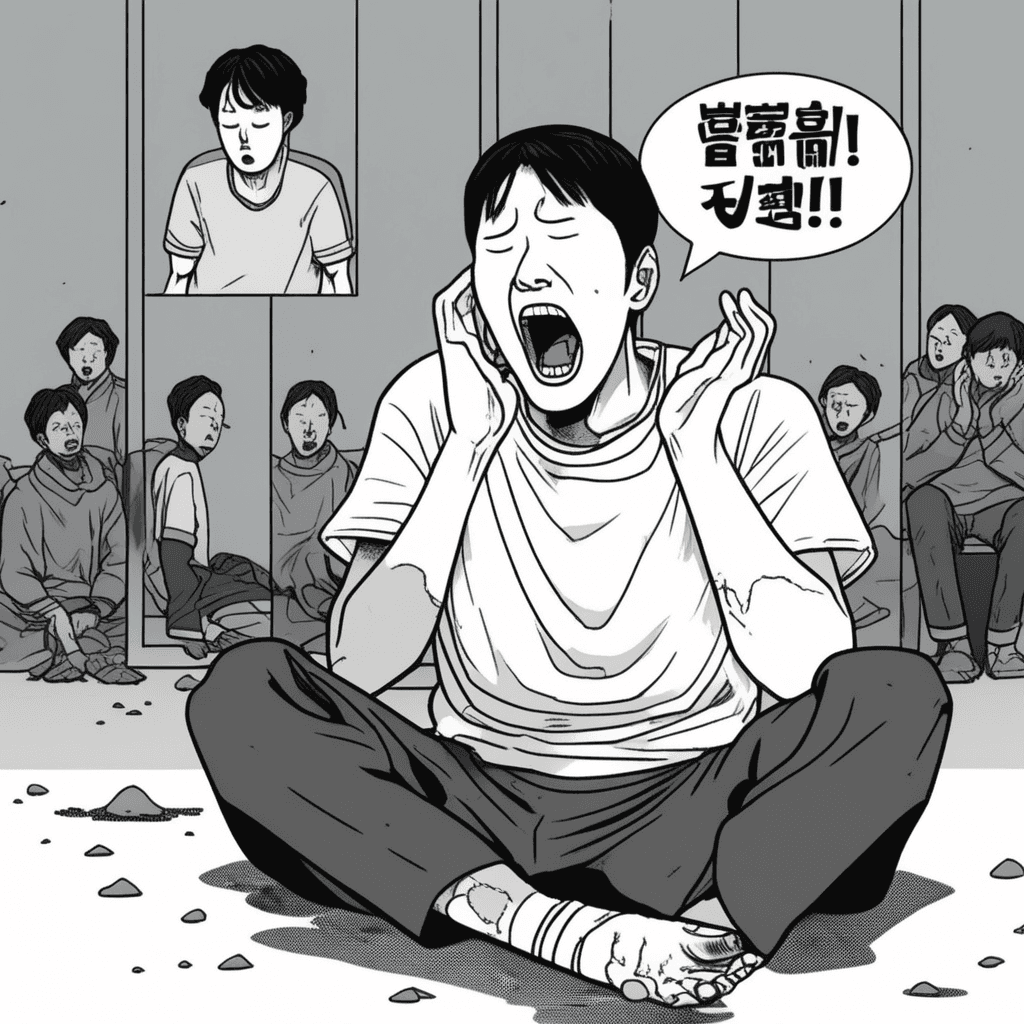
Wound sounds like '운다' (crying) - when you get a wound, you cry!
운드가 생겨서 운다! 상처나면 정말 운다구!
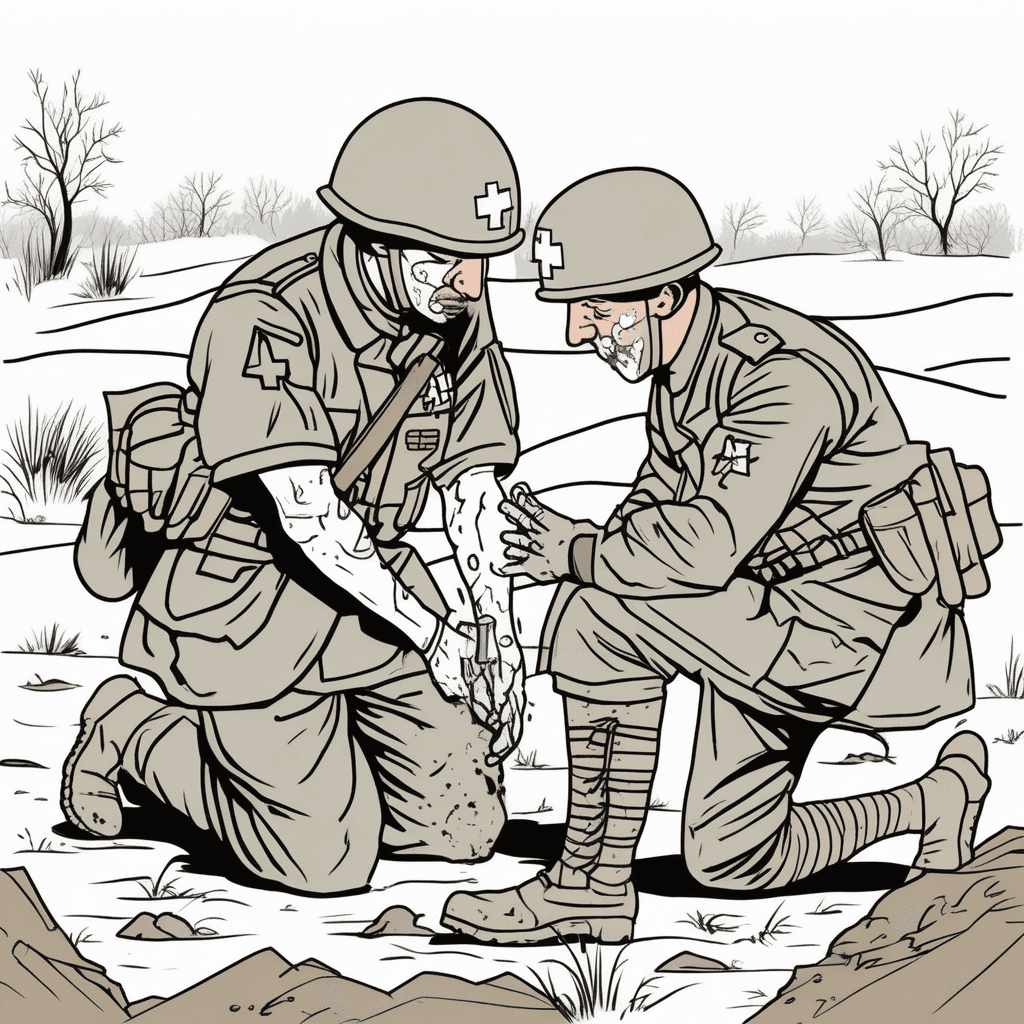
Heal the wound without a sound, hope rises from the ground
상처엔 소리 없이, 땅 위에 희망이
🎤발음
🌳어원 분석
단순어로 접두사나 접미사 없이 독립적으로 사용
기원
고대 영어 'wund'에서 유래되었으며, 게르만어족의 공통 어근을 가진다. 독일어 'Wunde'와도 관련이 있다.
형태소 분해
wund (상처) → wound
진화 과정
고대 영어 'wund'에서 유래되었으며, 게르만어족의 공통 어근을 가진다. 독일어 'Wunde'와도 관련이 있다.
💡창의적 암기법
AI Generated Mnemonic
'운드'라는 발음이 마치 '운다'는 우리말과 비슷하게 들린다. 상처가 나면 아파서 운다고 연상하면 쉽게 기억할 수 있다.
💡 운드 → 운다 → 상처나면 운다
🎵라이밍 (Rhyme)
-ound 패턴으로 기억하면 발음 암기에 도움
-ound 패턴으로 기억하면 발음 암기에 도움
-ound 패턴으로 기억하면 발음 암기에 도움
-ound 패턴으로 기억하면 발음 암기에 도움
🔗연어 (Collocation)
열린 상처
상처를 치료하다/붕대를 감다
상처를 치유하다
깊이 상처주다
총상
정신적 상처
📝예문
“The chef accidentally wounded his finger while chopping onions and cried twice - once from pain, once from onions!”
요리사는 양파를 썰다가 실수로 손가락을 다쳐서 두 번 울었다 - 한 번은 아파서, 한 번은 양파 때문에!
“Time heals all wounds, except the wound to your wallet after shopping.”
시간은 모든 상처를 치유한다, 쇼핑 후 지갑에 난 상처만 빼고.
“The doctor carefully examined the patient's wound before applying antiseptic.”
의사는 소독제를 바르기 전에 환자의 상처를 주의 깊게 살펴보았다.
“Her cruel rejection wounded his heart more than any physical injury ever could.”
그녀의 냉혹한 거절은 어떤 신체적 부상보다도 그의 마음에 상처를 주었다.