immunology (이뮤놀러지) — the branch of medicine and biology concerned with immunity and the immune system
Part of speech: NOUN
Definition: the branch of medicine and biology concerned with immunity and the immune system
Pronunciation (IPA): /ˌɪmjəˈnɑːlədʒi/
Korean meaning: 면역과 면역계에 관한 의학 및 생물학 분야
Korean pronunciation: 이뮤놀러지
Example Sentences
- The immunology professor's jokes were so infectious that even the white blood cells laughed.
- Modern immunology has revolutionized our understanding of autoimmune diseases.
- After studying immunology, she realized her body was basically a 24/7 security company.
immunology
NOUN[/ˌɪmjəˈnɑːlədʒi/]
이뮤놀러지
the branch of medicine and biology concerned with immunity and the immune system
면역과 면역계에 관한 의학 및 생물학 분야
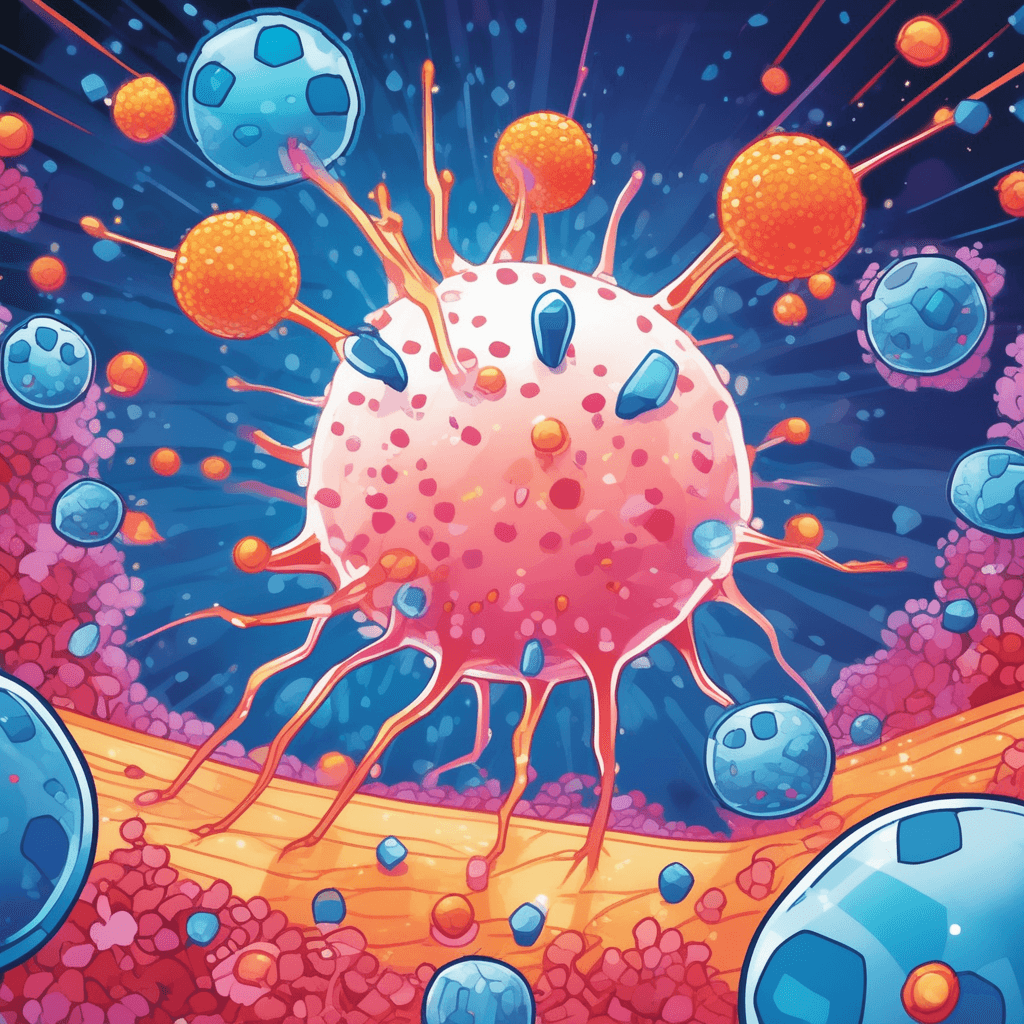
면역세포가 바이러스를 공격하여 몸을 방어하는 면역계 작용
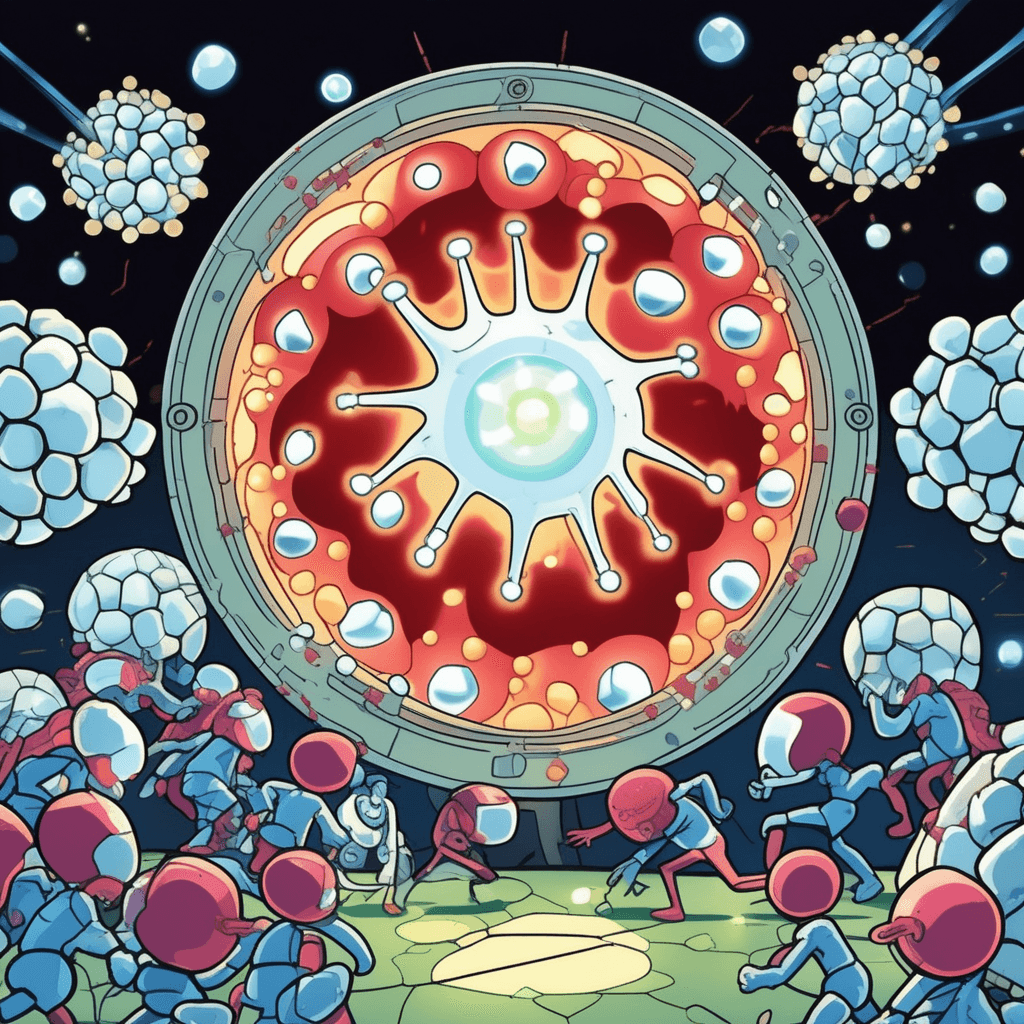
Immunology reveals the microscopic technology of apology from invading germs — an anthology of the body's ancient victory
면역학은 미세한 전쟁의 승리다 — 세포들이 싸우면, 생명이 말한다
🎤발음
🌳어원 분석
immune + -ology의 합성어로 면역학을 의미
기원
라틴어에서 온 'immunis'(면제된, 자유로운)와 그리스어 'logos'(학문)가 합쳐져서 '면역에 대한 학문'이라는 뜻이 되었습니다.
형태소 분해
immun(e) + -o- + -logy
진화 과정
라틴어에서 온 'immunis'(면제된, 자유로운)와 그리스어 'logos'(학문)가 합쳐져서 '면역에 대한 학문'이라는 뜻이 되었습니다.
💡창의적 암기법
AI Generated Mnemonic
'이뮤놀러지'에서 '이뮤'는 'immune(면역)'을 연상하고, '놀러지'는 '놀면서 공부하는 학문'으로 기억하세요. 면역세포들이 놀면서 공부하는 모습을 상상해보세요!
💡 이뮤 + 놀러지 = 면역 놀이 학문
🎵라이밍 (Rhyme)
🔗연어 (Collocation)
임상면역학
면역학을 공부하다
면역학 연구
면역학과
면역학의 발전
📝예문
“The immunology professor's jokes were so infectious that even the white blood cells laughed.”
면역학 교수의 농담은 너무 전염성이 있어서 백혈구들도 웃었다.
“Modern immunology has revolutionized our understanding of autoimmune diseases.”
현대 면역학은 자가면역질환에 대한 우리의 이해를 혁명적으로 바꿨다.
“After studying immunology, she realized her body was basically a 24/7 security company.”
면역학을 공부한 후, 그녀는 자신의 몸이 기본적으로 24시간 보안회사라는 것을 깨달았다.
“The immunology lab discovered a new mechanism of T-cell activation.”
면역학 실험실에서 T세포 활성화의 새로운 메커니즘을 발견했다.