uninhabited (어닌해비티드) — having no people or animals living there
Part of speech: ADJECTIVE
Definition: having no people or animals living there
Pronunciation (IPA): /ʌnɪnˈhæbɪtɪd/
Korean meaning: 사람이나 동물이 살지 않는, 무인의
Korean pronunciation: 어닌해비티드
Example Sentences
- The zombie apocalypse left the entire city uninhabited except for one pizza delivery guy who was still making rounds.
- The remote cabin had been uninhabited for so long that even the spiders had moved out.
- Scientists discovered several uninhabited planets that could potentially support human life.
uninhabited
ADJECTIVE[/ʌnɪnˈhæbɪtɪd/]
어닌해비티드
having no people or animals living there
사람이나 동물이 살지 않는, 무인의

사람이나 동물이 살지 않는, 무인의

Huh? Even the ninja tried, but... really nobody lives here!
어? 닌자해봤는데... 정말 아무도 안 살아!
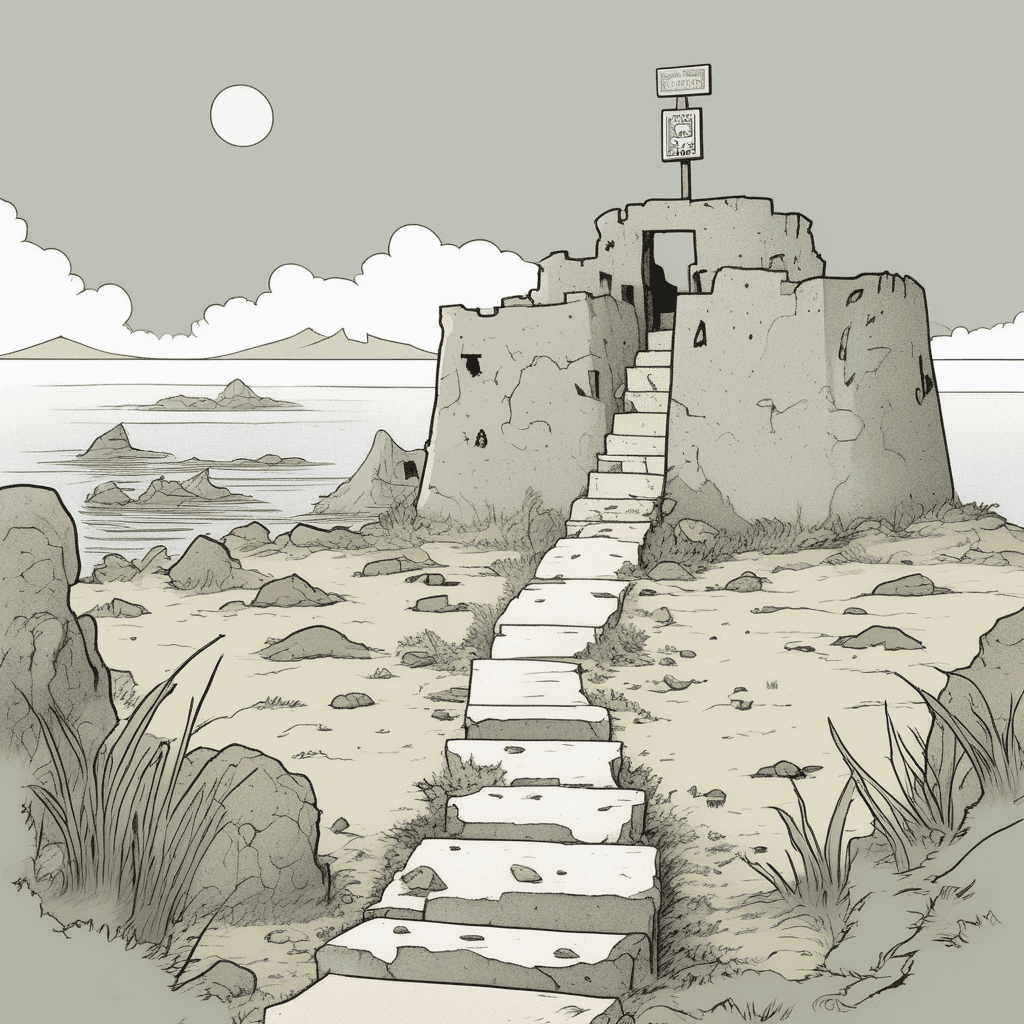
Once prohibited, now uninhabited, never inhabited again!
금지된 땅, 이제는 무인도가 되어!
🎤발음
🌳어원 분석
inhabit의 과거분사 형태에 부정 접두사 un-이 결합
기원
라틴어에서 유래한 단어로, '안에(in)'와 '거주하다(habere)'의 조합에 부정 접두사 'un-'이 붙어 '거주하지 않는'이라는 의미가 되었습니다.
형태소 분해
un- (not) + in- (in) + habit (dwell) + -ed (past participle)
진화 과정
라틴어에서 유래한 단어로, '안에(in)'와 '거주하다(habere)'의 조합에 부정 접두사 'un-'이 붙어 '거주하지 않는'이라는 의미가 되었습니다.
💡창의적 암기법
AI Generated Mnemonic
어닌해비티드에서 '어? 닌(忍)자해봤는데'로 연상해보세요. 닌자가 해봤는데도 아무도 못 찾을 정도로 아무도 살지 않는 곳이라는 뜻입니다.
💡 어? 닌자해봤는데 → 아무도 안 살아
🎵라이밍 (Rhyme)
-ited 어미로 끝나는 단어들과 함께 기억
-ited 어미로 끝나는 단어들과 함께 기억
-ited 어미로 끝나는 단어들과 함께 기억
🔗연어 (Collocation)
무인도
무인 지역
빈 건물
무인 지역
무인 상태로 남다
완전히 무인의
📝예문
“The zombie apocalypse left the entire city uninhabited except for one pizza delivery guy who was still making rounds.”
좀비 아포칼립스로 인해 아직도 배달을 돌고 있는 피자 배달원 한 명을 제외하고는 도시 전체가 무인 상태가 되었다.
“The remote cabin had been uninhabited for so long that even the spiders had moved out.”
외딴 오두막은 너무 오랫동안 비어있어서 거미들조차 이사를 갔다.
“Scientists discovered several uninhabited planets that could potentially support human life.”
과학자들은 인간의 생명체가 살 수 있을 가능성이 있는 여러 무인 행성들을 발견했다.
“The uninhabited desert stretched for miles without any sign of civilization.”
무인 사막은 문명의 흔적 없이 수 마일에 걸쳐 뻗어 있었다.