disagreement (디서그리먼트) — a situation in which people have different opinions about something and often argue about it
Part of speech: NOUN
Definition: a situation in which people have different opinions about something and often argue about it
Pronunciation (IPA): /ˌdɪsəˈɡriːmənt/
Korean meaning: 의견 불일치, 불화, 논쟁
Korean pronunciation: 디서그리먼트
Example Sentences
- The couple had a disagreement about whether pineapple belongs on pizza.
- There was widespread disagreement among the experts about the best approach.
- My disagreement with my roommate about dishes led to World War III in our apartment.
disagreement
NOUN[/ˌdɪsəˈɡriːmənt/]
디서그리먼트
a situation in which people have different opinions about something and often argue about it
의견 불일치, 불화, 논쟁
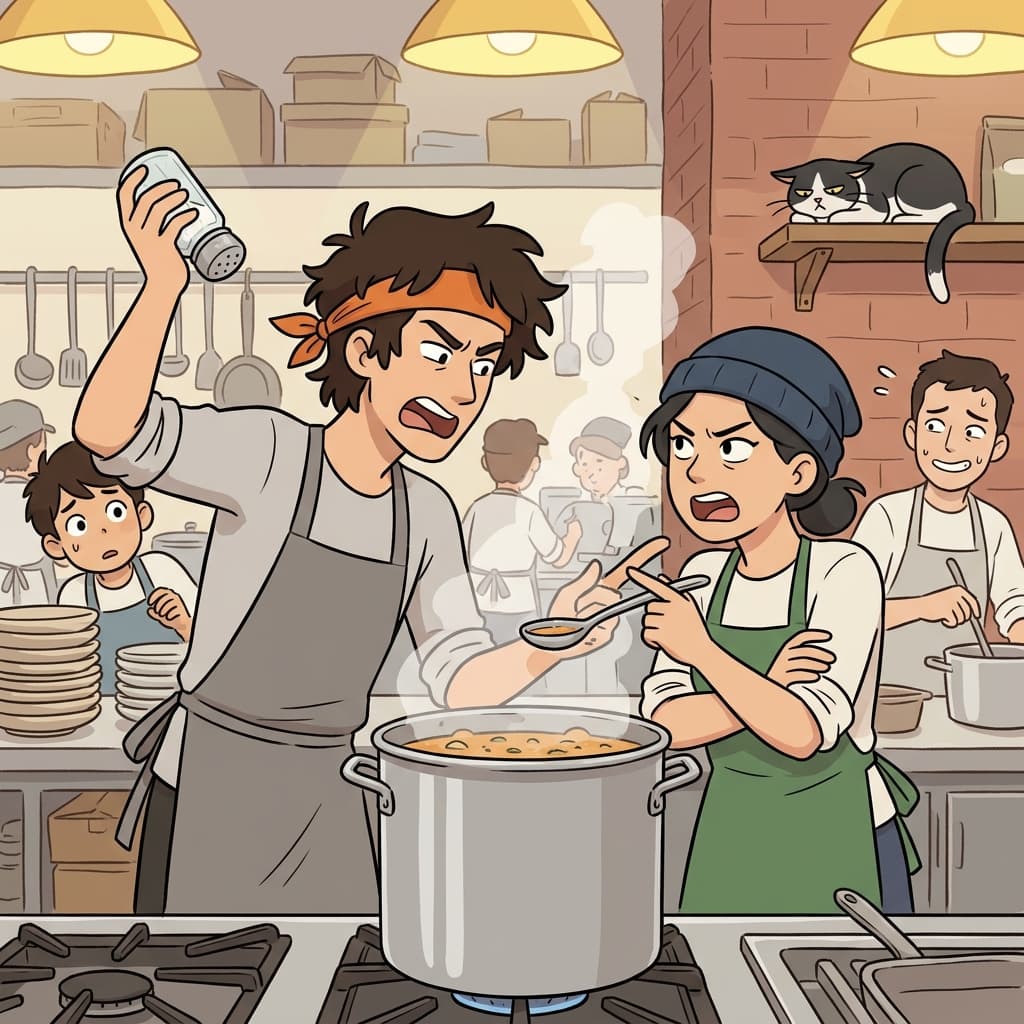
주방에서 두 셰프가 소금을 두고 의견이 갈렸다.
🎤발음
🌳어원 분석
동사 disagree에 -ment를 붙여 명사화한 형태
기원
14세기에 'dis-(반대)' + 'agreement(동의)'가 결합되어 만들어진 단어로, '동의하지 않음'이라는 의미에서 출발했습니다.
형태소 분해
dis- (opposite) + agreement (harmony, accord)
진화 과정
14세기에 'dis-(반대)' + 'agreement(동의)'가 결합되어 만들어진 단어로, '동의하지 않음'이라는 의미에서 출발했습니다.
💡창의적 암기법
AI Generated Mnemonic
'디서그리먼트'에서 '디서(이서)'는 '이 서로' 같고, '그리'는 '그래서' 같으니까 '이 서로 그래서 싸우는 상황'으로 기억하세요. 서로 다른 의견 때문에 다투는 모습을 떠올려보세요!
💡 이서 그래서 → 서로 달라서 싸움
🎵라이밍 (Rhyme)
-ment로 끝나는 단어들과 함께 외우면 좋습니다
-ment로 끝나는 단어들과 함께 외우면 좋습니다
-ment로 끝나는 단어들과 함께 외우면 좋습니다
🔗연어 (Collocation)
강한 의견 대립
의견 차이를 해결하다
~에 대한 의견 불일치
사소한 의견 차이
~사이의 불일치
근본적인 견해 차이
📝예문
“The couple had a disagreement about whether pineapple belongs on pizza.”
그 커플은 피자에 파인애플이 올라가야 하는지에 대해 의견이 달랐다.
“There was widespread disagreement among the experts about the best approach.”
전문가들 사이에서 최선의 접근법에 대한 광범위한 의견 차이가 있었다.
“My disagreement with my roommate about dishes led to World War III in our apartment.”
설거지 문제로 룸메이트와의 의견 차이가 우리 아파트에서 3차 대전을 불러왔다.
“The disagreement was resolved through peaceful negotiation.”
그 의견 차이는 평화로운 협상을 통해 해결되었다.