belligerence (벨리져런스) — aggressive or warlike behavior; readiness to fight
Part of speech: NOUN
Definition: aggressive or warlike behavior; readiness to fight
Pronunciation (IPA): /bəˈlɪdʒərəns/
Korean meaning: 호전성, 교전상태, 공격적인 태도
Korean pronunciation: 벨리져런스
Example Sentences
- The customer's belligerence over a 50-cent charge made the entire coffee shop go silent.
- The country's belligerence toward its neighbors has led to increased military tensions.
- His belligerence during team meetings was so intense that people started bringing snacks to watch the drama unfold.
belligerence
NOUN[/bəˈlɪdʒərəns/]
벨리져런스
aggressive or warlike behavior; readiness to fight
호전성, 교전상태, 공격적인 태도

화난 남자가 주먹을 내리치며 소리치는 모습은 제빵사를 향한 노골적인 적대감(belligerence)을 드러냈다.

“Bell, like this? What a guy!” His violent pounding of the bell showed his belligerence.
“벨(bell)을 이(li)렇게 치다니, 저런(gerent)!” 그의 거친 행동은 적대감(belligerence)을 드러냈다.
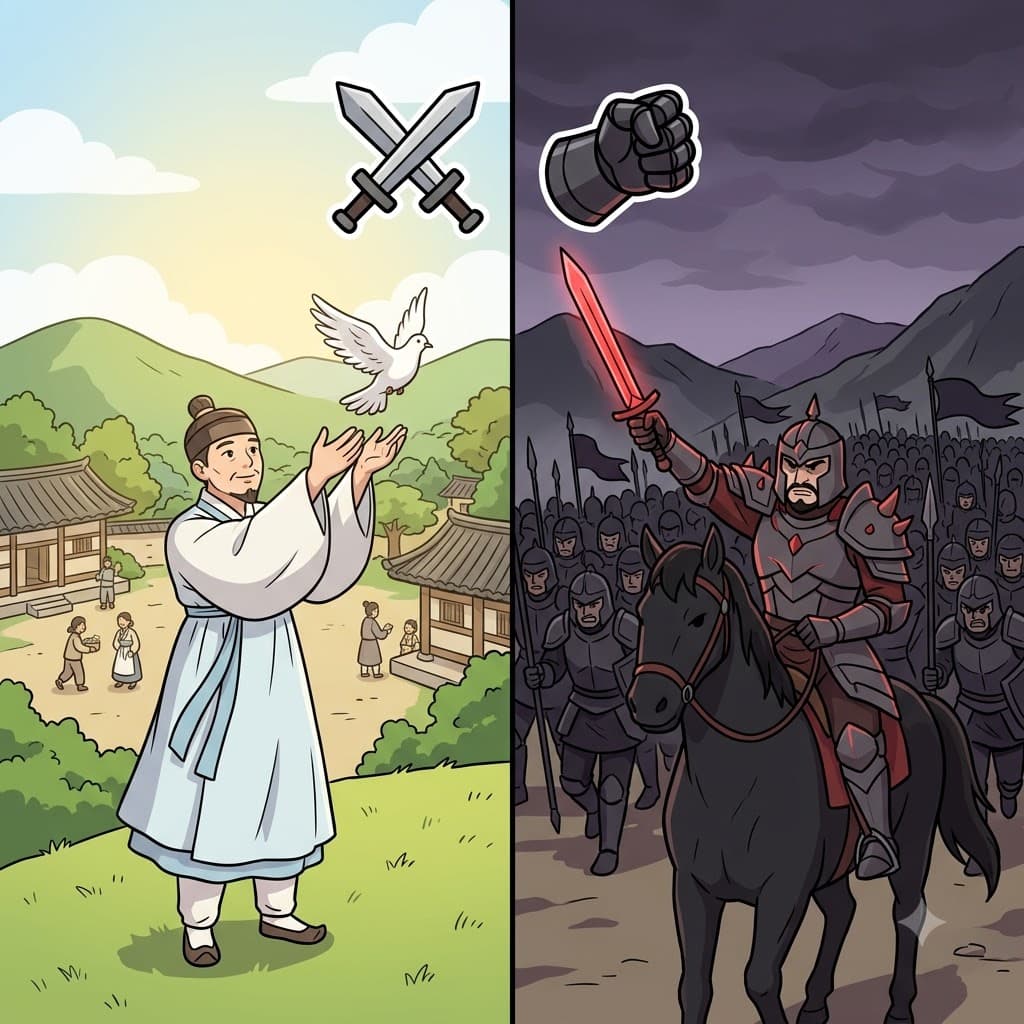
BELLI(war) + GERENT(waging) — his desire to start a war revealed his dangerous belligerence.
BELLI(전쟁) + GERENT(수행하는) — 전쟁을 일으키려는 그의 욕망은 위험한 호전성(belligerence)을 드러냈다.
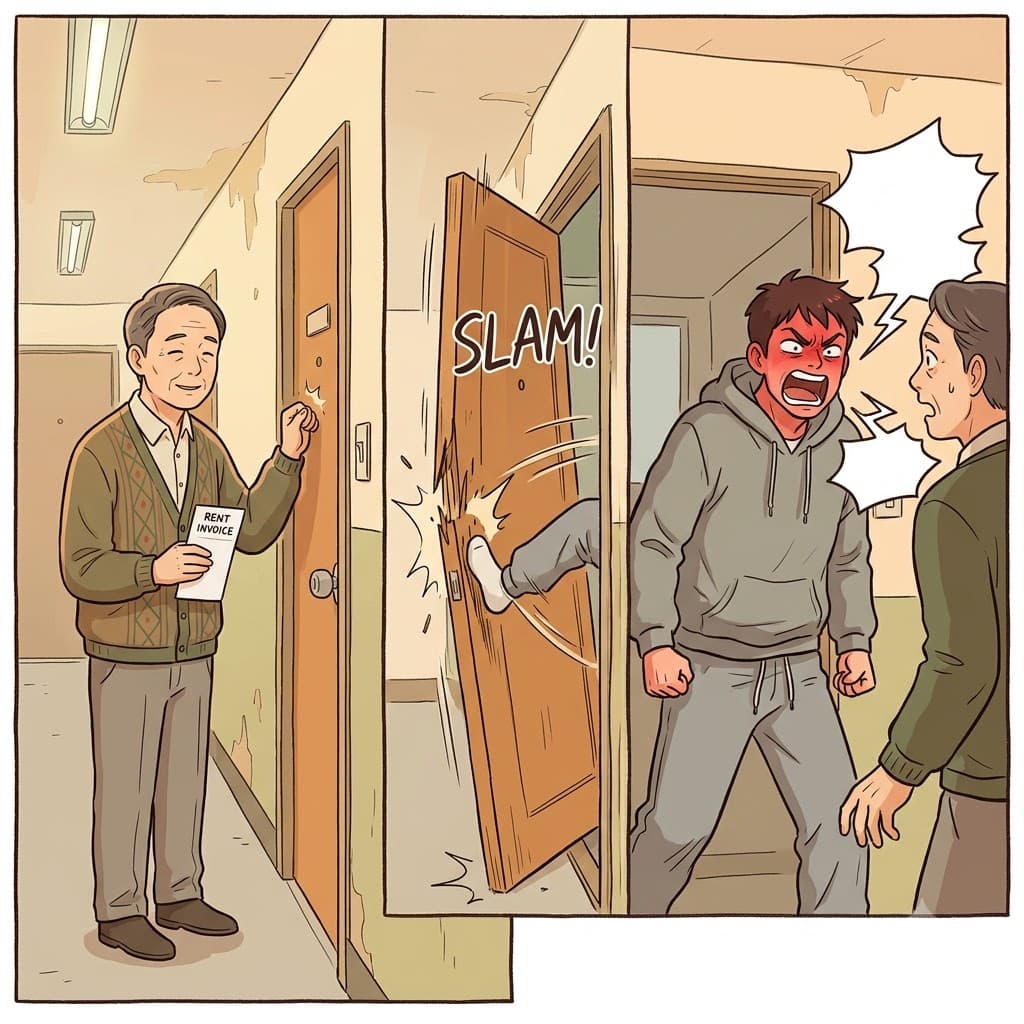
When the landlord asked for the late rent, the tenant’s sudden belligerence turned a simple request into a confrontation.
집주인이 밀린 월세(rent)를 요구하자, 세입자의 갑작스러운 적대감(belligerence)은 평범한 요구를 싸움으로 바꿔 놓았다.
🎤발음
🌳어원 분석
belligerent의 명사형으로 '호전적인 상태'를 나타냅니다
기원
라틴어 'bellum(전쟁)'과 'gerere(수행하다)'에서 유래되어, 말 그대로 '전쟁을 수행하는 상태'라는 의미로 발전했습니다.
형태소 분해
bellum(war) + gerere(to carry on) + -ence(state)
진화 과정
라틴어 'bellum(전쟁)'과 'gerere(수행하다)'에서 유래되어, 말 그대로 '전쟁을 수행하는 상태'라는 의미로 발전했습니다.
💡창의적 암기법
AI Generated Mnemonic
'벨리져런스'에서 '벨리(belly, 배)'가 '져서(losing)' 런닝하는 모습을 상상해보세요. 배가 나온 사람이 경쟁에서 져서 화가 나서 싸우려고 하는 공격적인 모습!
💡 벨리(배) + 져서 = 화나서 싸우려는 태도
🎵라이밍 (Rhyme)
-ence로 끝나는 단어들과 함께 외우면 효과적
-ence로 끝나는 단어들과 함께 외우면 효과적
-ence로 끝나는 단어들과 함께 외우면 효과적
🔗연어 (Collocation)
호전성을 보이다
증가하는 호전성
군사적 호전성
언어적 공격성
고조되는 호전성
외교적 강경 자세
📝예문
“The customer's belligerence over a 50-cent charge made the entire coffee shop go silent.”
50센트 요금 때문에 보인 손님의 호전적인 태도로 인해 커피숍 전체가 조용해졌다.
“The country's belligerence toward its neighbors has led to increased military tensions.”
그 나라의 이웃 국가들에 대한 호전적 태도가 군사적 긴장을 증가시켰다.
“His belligerence during team meetings was so intense that people started bringing snacks to watch the drama unfold.”
팀 회의에서의 그의 공격적인 태도가 너무 강렬해서 사람들이 드라마를 보려고 간식을 가져오기 시작했다.
“The union's belligerence during negotiations resulted in a prolonged strike.”
협상 중 노조의 강경한 태도로 인해 파업이 장기화되었다.