era (**이**러) — a long and distinct period of history with a particular feature or characteristic
Part of speech: NOUN
Definition: a long and distinct period of history with a particular feature or characteristic
Pronunciation (IPA): /ˈɪrə/
Korean meaning: 특정한 특징이나 성격을 가진 역사상의 길고 뚜렷한 시대, 시기
Korean pronunciation: **이**러
Example Sentences
- My grandmother often talks about the era when smartphones didn't exist.
- The era of wearing pajamas to Zoom meetings has officially ended.
- Historians divide ancient Rome into different eras based on its rulers.
era
NOUN[/ˈɪrə/]
이러
a long and distinct period of history with a particular feature or characteristic
특정한 특징이나 성격을 가진 역사상의 길고 뚜렷한 시대, 시기
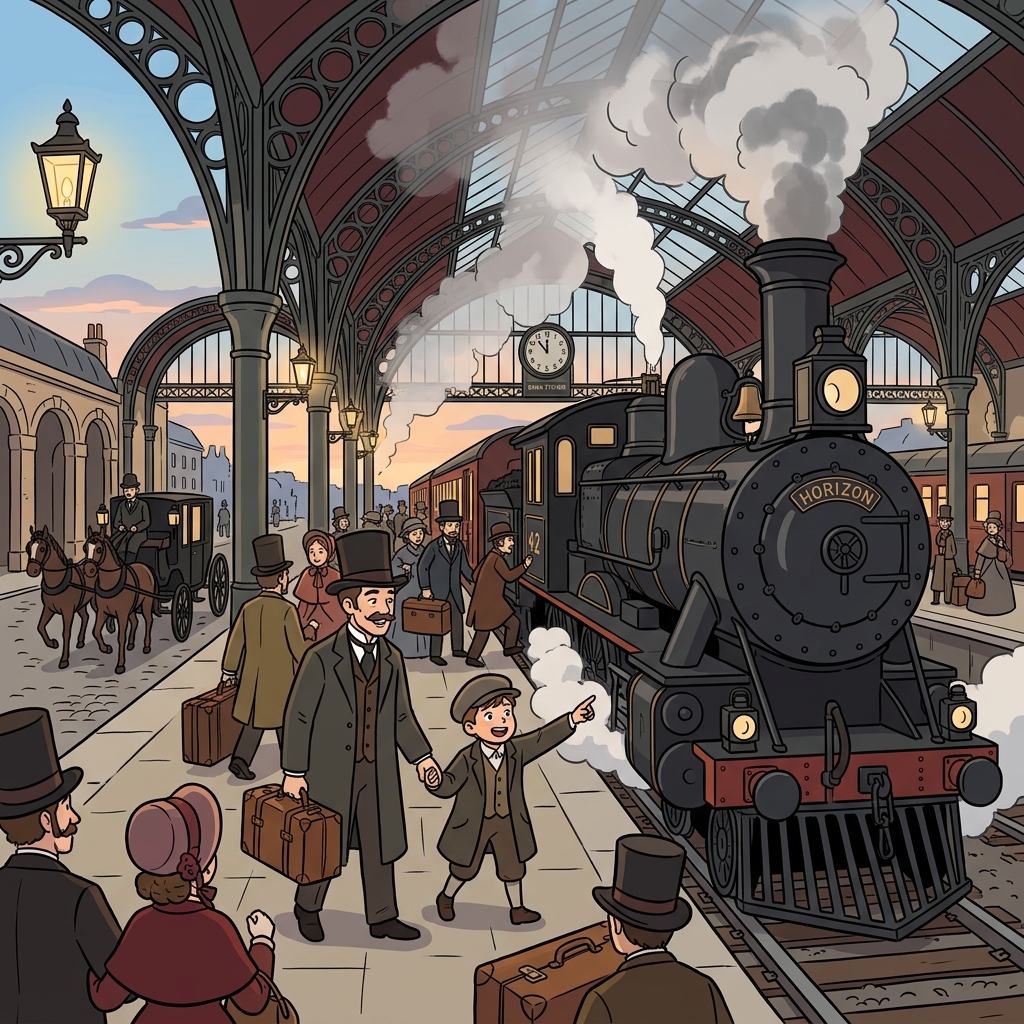
증기기관차의 시대가 온 세상을 바꿔놓았다.
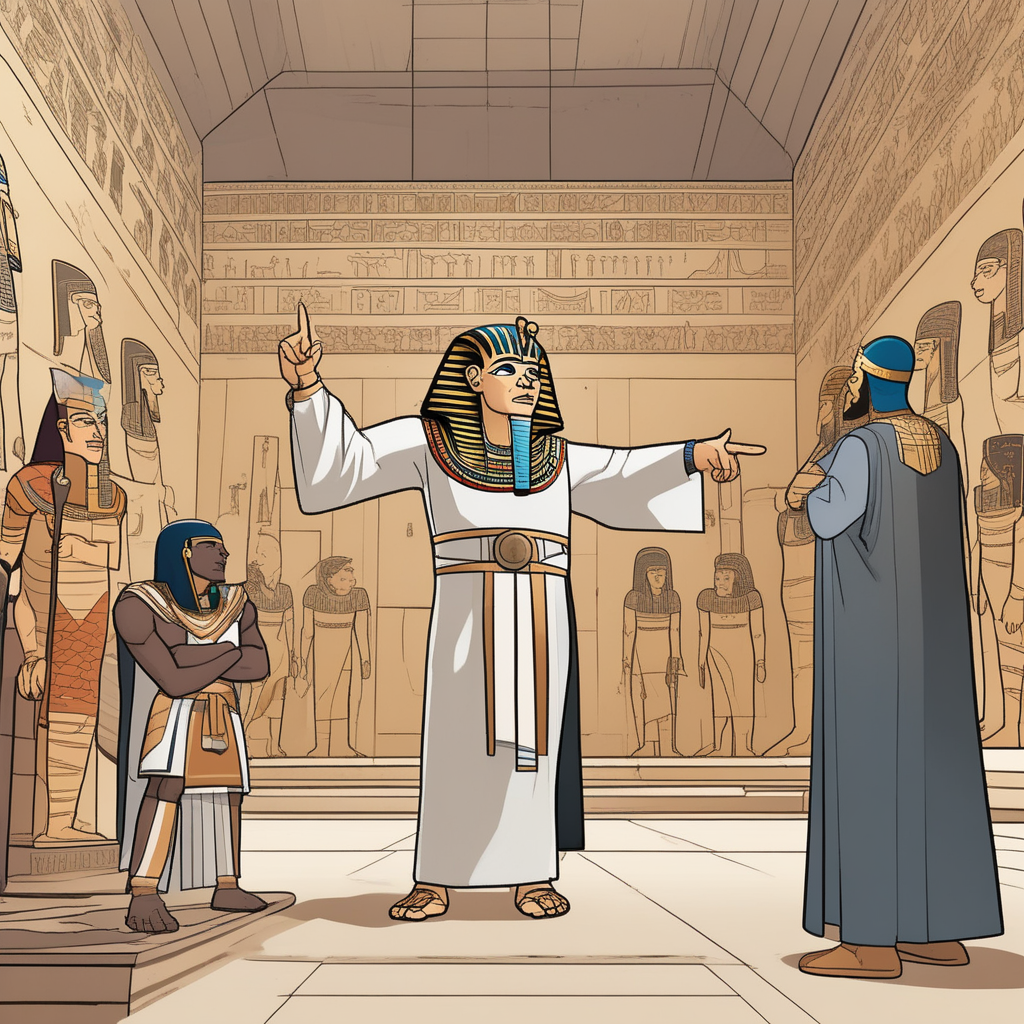
This ERA was like this, and that ERA was like that!
이러한 시대가 있었고, 저러한 시대도 있었구나!
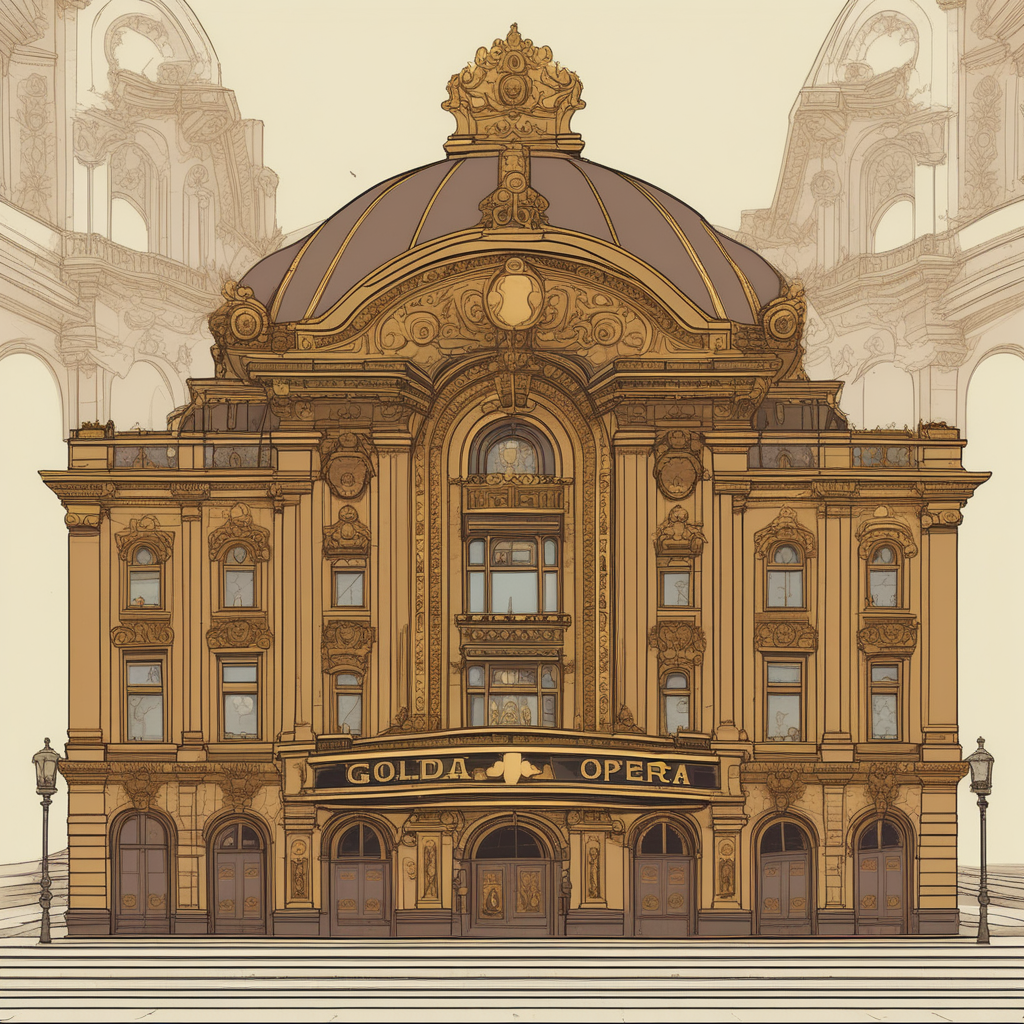
Each era transforms the opera through the camera's lens!
시대마다 변하는 오페라하우스, 카메라에 담긴 역사!
🎤발음
🌳어원 분석
단순형 명사로 접두사나 접미사 없음
기원
라틴어 'aera'에서 유래했으며, 이는 '숫자, 계산의 기준점'이라는 의미였습니다. 원래는 특정 사건부터 년수를 세는 기준점을 뜻했지만, 점차 역사적 시대나 기간을 나타내는 의미로 발전했습니다.
형태소 분해
aera (계산의 기준점) → era (시대)
진화 과정
라틴어 'aera'에서 유래했으며, 이는 '숫자, 계산의 기준점'이라는 의미였습니다. 원래는 특정 사건부터 년수를 세는 기준점을 뜻했지만, 점차 역사적 시대나 기간을 나타내는 의미로 발전했습니다.
💡창의적 암기법
AI Generated Mnemonic
era [이러]의 발음이 한국어 '이러'와 같습니다. '이러한 시대가 있었구나!'라고 말할 때의 '이러'를 떠올리면, 특정한 '시대'를 가리키는 era의 의미와 자연스럽게 연결됩니다.
💡 이러 = 이러한 시대
🎵라이밍 (Rhyme)
-era로 끝나는 단어들과 함께 기억하면 발음 연습에 도움
-era로 끝나는 단어들과 함께 기억하면 발음 연습에 도움
-era로 끝나는 단어들과 함께 기억하면 발음 연습에 도움
🔗연어 (Collocation)
현대
디지털 시대
전후 시대
평화의 시대
지나간 시대
새로운 시대
📝예문
“My grandmother often talks about the era when smartphones didn't exist.”
우리 할머니는 스마트폰이 없던 시대 이야기를 자주 하신다.
“The era of wearing pajamas to Zoom meetings has officially ended.”
줌 회의에 잠옷 입고 참석하던 시대가 공식적으로 끝났다.
“Historians divide ancient Rome into different eras based on its rulers.”
역사학자들은 고대 로마를 통치자에 따라 다른 시대로 나눈다.
“We're living in the era where my parents ask me to fix everything electronic.”
우리는 부모님이 모든 전자제품 고치는 걸 내게 부탁하시는 시대에 살고 있다.