dodge (다지) — To avoid something quickly by moving out of the way, or to evade responsibility or duty through clever maneuvering.
Part of speech: VERB
Definition: To avoid something quickly by moving out of the way, or to evade responsibility or duty through clever maneuvering.
Pronunciation (IPA): /dɑːdʒ/
Korean meaning: 피하다, 회피하다, 교묘히 빠져나가다
Korean pronunciation: 다지
Example Sentences
- The politician dodged every difficult question like a professional dancer.
- I had to dodge my neighbor who always talks for hours about his cats.
- She dodged the puddle but stepped right into another one.
dodge
VERB[/dɑːdʒ/]
다지 (강세: 다)
To avoid something quickly by moving out of the way, or to evade responsibility or duty through clever maneuvering.
피하다, 회피하다, 교묘히 빠져나가다
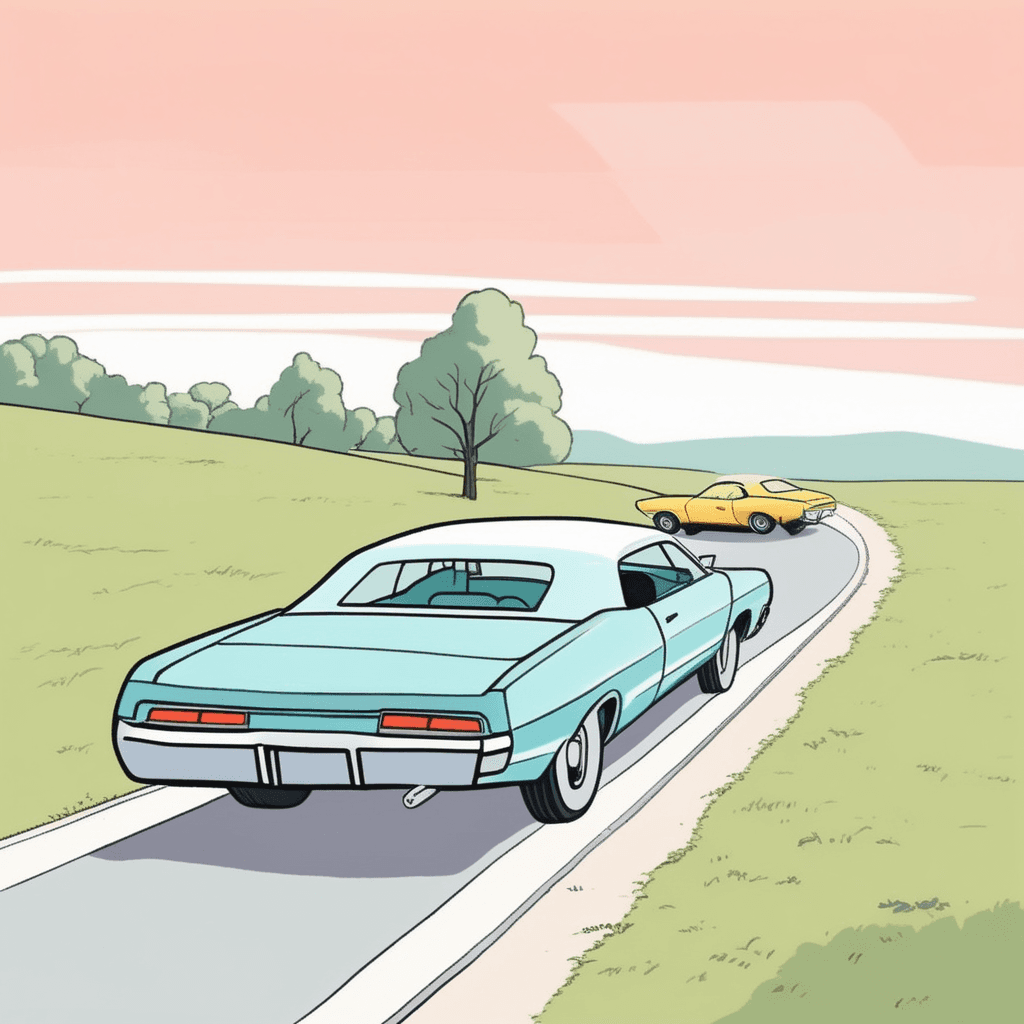
피하다, 회피하다, 교묘히 빠져나가다

Try to dodge but hit the lodge, now stuck in a hodge-podge!
피하려다 오두막에, 뒤죽박죽 엉켜버려!
🎤발음
🌳어원 분석
중세 영어에서 유래된 단어로 '갑자기 움직이다'는 의미
기원
16세기에 나타난 단어로, 정확한 어원은 불분명하지만 '갑자기 움직이다'라는 의미의 중세 영어에서 발전했다고 여겨집니다.
형태소 분해
어원 불분명, 갑작스러운 움직임을 표현
진화 과정
16세기에 나타난 단어로, 정확한 어원은 불분명하지만 '갑자기 움직이다'라는 의미의 중세 영어에서 발전했다고 여겨집니다.
💡창의적 암기법
AI Generated Mnemonic
'다지'처럼 들리는데, '다 지나가게 해!' 하면서 재빨리 피하는 모습을 연상해보세요. 위험한 것들이 다 지나갈 때까지 몸을 피하는 장면을 그려보면 됩니다.
💡 다지 → 다 지나가게! → 피하다
🎵라이밍 (Rhyme)
📝예문
“The politician dodged every difficult question like a professional dancer.”
그 정치인은 전문 댄서처럼 모든 어려운 질문을 피했다.
“I had to dodge my neighbor who always talks for hours about his cats.”
항상 자신의 고양이에 대해 몇 시간씩 이야기하는 이웃을 피해야 했다.
“She dodged the puddle but stepped right into another one.”
그녀는 웅덩이를 피했지만 바로 다른 웅덩이를 밟았다.
“The student tried to dodge homework by pretending to be sick.”
학생은 아픈 척하며 숙제를 피하려고 했다.