hesitant (**헤**지턴트) — slow to act or speak because you are uncertain or nervous
Part of speech: ADJECTIVE
Definition: slow to act or speak because you are uncertain or nervous
Pronunciation (IPA): /ˈhezɪtənt/
Korean meaning: 불확실하거나 긴장해서 행동이나 말이 느린, 주저하는
Korean pronunciation: **헤**지턴트
Example Sentences
- The cat was hesitant to try the new expensive cat food, preferring its usual cheap kibble.
- I'm hesitant to trust a dentist who has a candy bar in his pocket.
- She was hesitant about moving to a new city without knowing anyone there.
hesitant
ADJECTIVE[/ˈhezɪtənt/]
헤지턴트
slow to act or speak because you are uncertain or nervous
불확실하거나 긴장해서 행동이나 말이 느린, 주저하는

그는 무대 위로 올라가기 전에 망설이는 모습을 보였다.
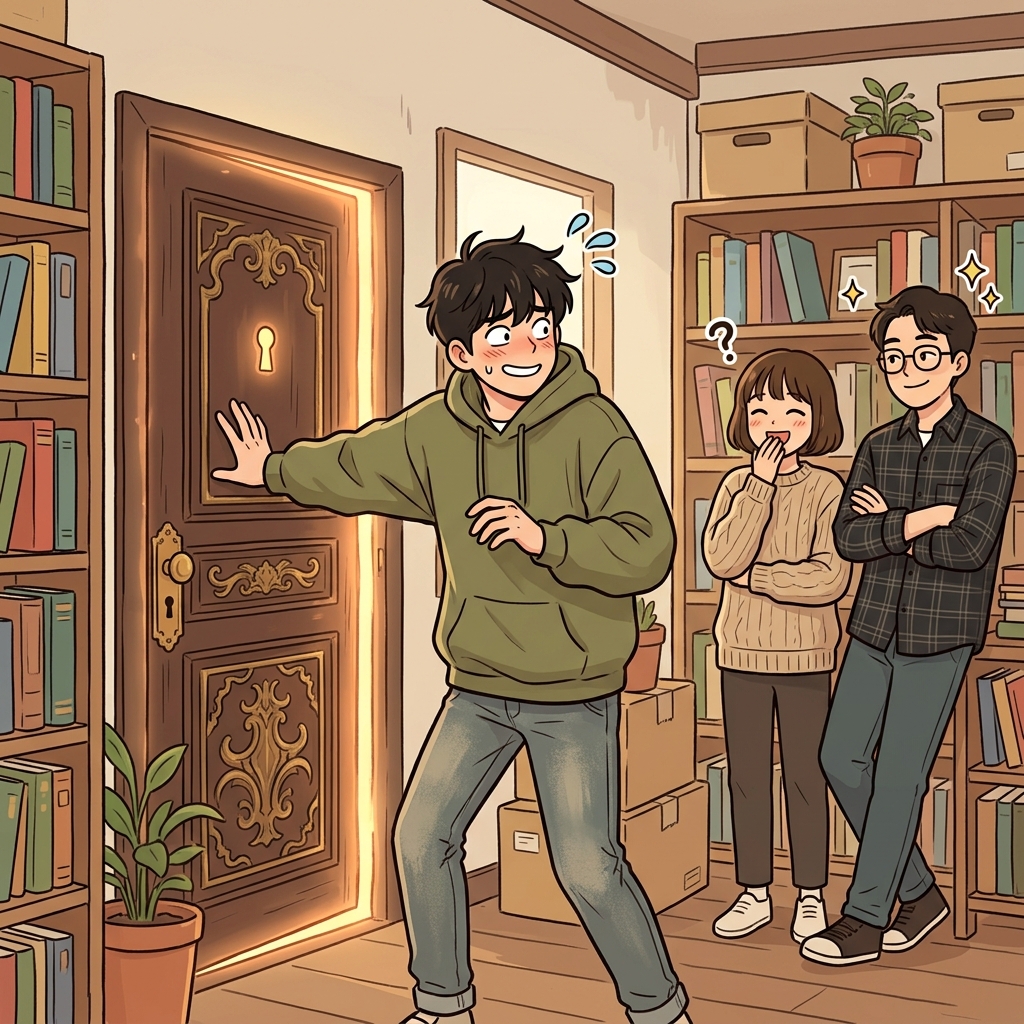
He felt hesitant about opening the mysterious door.
그는 수수께끼의 문을 여는 것을 망설였다. (헤지턴트 → “하지? 턴? 하지 말까? 다시 턴하는 느낌”)
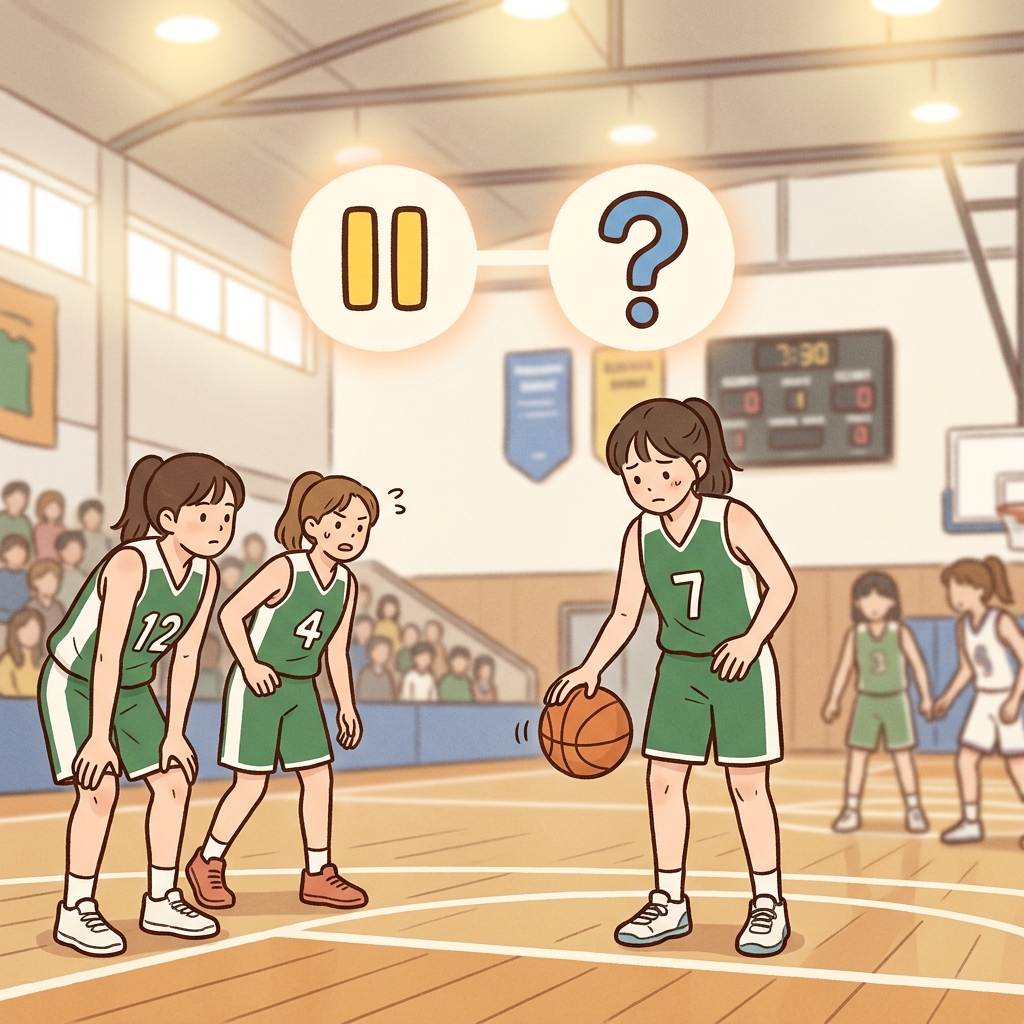
The hesitant player waited before making the final decision. (HOLD + UNCERTAIN = HESITANT → hesitant means holding back because of uncertainty)
그 망설이는 선수는 마지막 결정을 내리기 전에 기다렸다.

From hesitant and reluctant to bridging the distant gap!
망설이던 마음, reluctant한 발걸음이 distant한 거리를 좁혀간다!
🎤발음
🌳어원 분석
동사 hesitate에서 파생된 형용사형
기원
라틴어 'haesitare'(망설이다, 머뭇거리다)에서 유래되었습니다. 원래 '달라붙다, 고착되다'는 의미의 'haerere'에서 파생되어, 마치 한 곳에 붙어서 앞으로 나아가지 못하는 모습을 표현합니다.
형태소 분해
haesitare (망설이다) + -ant (형용사 접미사)
진화 과정
라틴어 'haesitare'(망설이다, 머뭇거리다)에서 유래되었습니다. 원래 '달라붙다, 고착되다'는 의미의 'haerere'에서 파생되어, 마치 한 곳에 붙어서 앞으로 나아가지 못하는 모습을 표현합니다.
💡창의적 암기법
AI Generated Mnemonic
헤! 지금 탄트(탄식)!
💡 헤! 지금 탄트(탄식)!
🎵라이밍 (Rhyme)
-ant로 끝나는 단어들과 함께 기억하기
-ant로 끝나는 단어들과 함께 기억하기
-ant로 끝나는 단어들과 함께 기억하기
🔗연어 (Collocation)
~하기를 주저하는
머뭇거리는 미소
주저하는 목소리
주춤거리는 걸음
망설이는 대답
주저하다
조심스러운 접근
📝예문
“The cat was hesitant to try the new expensive cat food, preferring its usual cheap kibble.”
고양이는 비싼 새 사료 대신 평소 먹던 저렴한 사료를 선호하며 시도하기를 주저했다.
“I'm hesitant to trust a dentist who has a candy bar in his pocket.”
주머니에 초콜릿 바를 가지고 있는 치과의사를 믿기가 주저된다.
“She was hesitant about moving to a new city without knowing anyone there.”
그녀는 아는 사람 없는 새로운 도시로 이사가는 것을 주저했다.
“The students were hesitant to ask questions during the intimidating professor's lecture.”
학생들은 위압적인 교수의 강의 중에 질문하기를 주저했다.