artifact (아티팩트) — an object made by a human being, typically an item of cultural or historical interest
Part of speech: NOUN
Definition: an object made by a human being, typically an item of cultural or historical interest
Pronunciation (IPA): /ˈɑːrtɪfækt/
Korean meaning: 인공물, 유물 (주로 문화적·역사적 가치가 있는 인간이 만든 물건)
Korean pronunciation: 아티팩트
Example Sentences
- The professor's office was full of artifacts, making it look like a mini museum where students feared breaking something priceless.
- Archaeologists found pottery artifacts that revealed ancient cooking habits.
- The scientist realized that the unusual data was just a measurement artifact, not evidence of alien life.
artifact
NOUN[/ˈɑːrtɪfækt/]
아티팩트
an object made by a human being, typically an item of cultural or historical interest
인공물, 유물 (주로 문화적·역사적 가치가 있는 인간이 만든 물건)
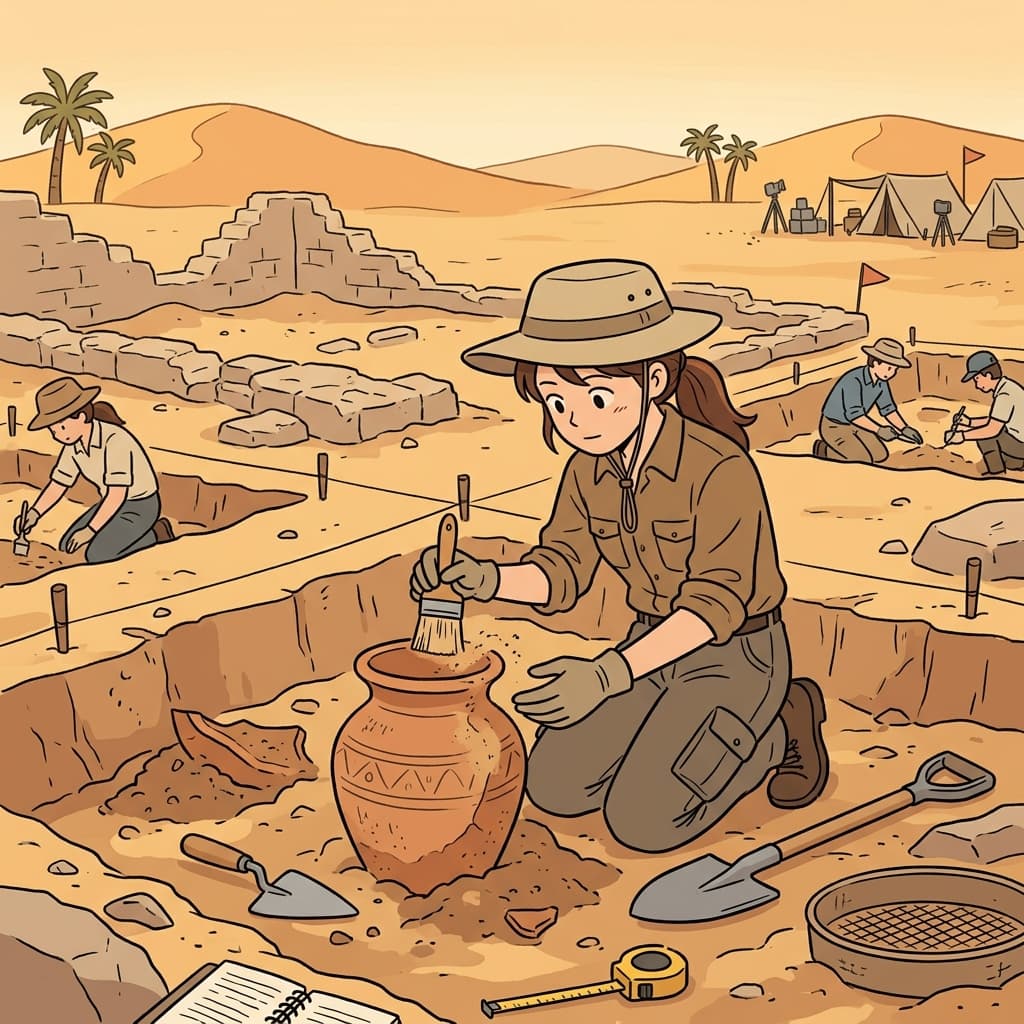
고고학자는 모래 아래 묻혀 있던 고대 유물을 조심스럽게 발굴했다.
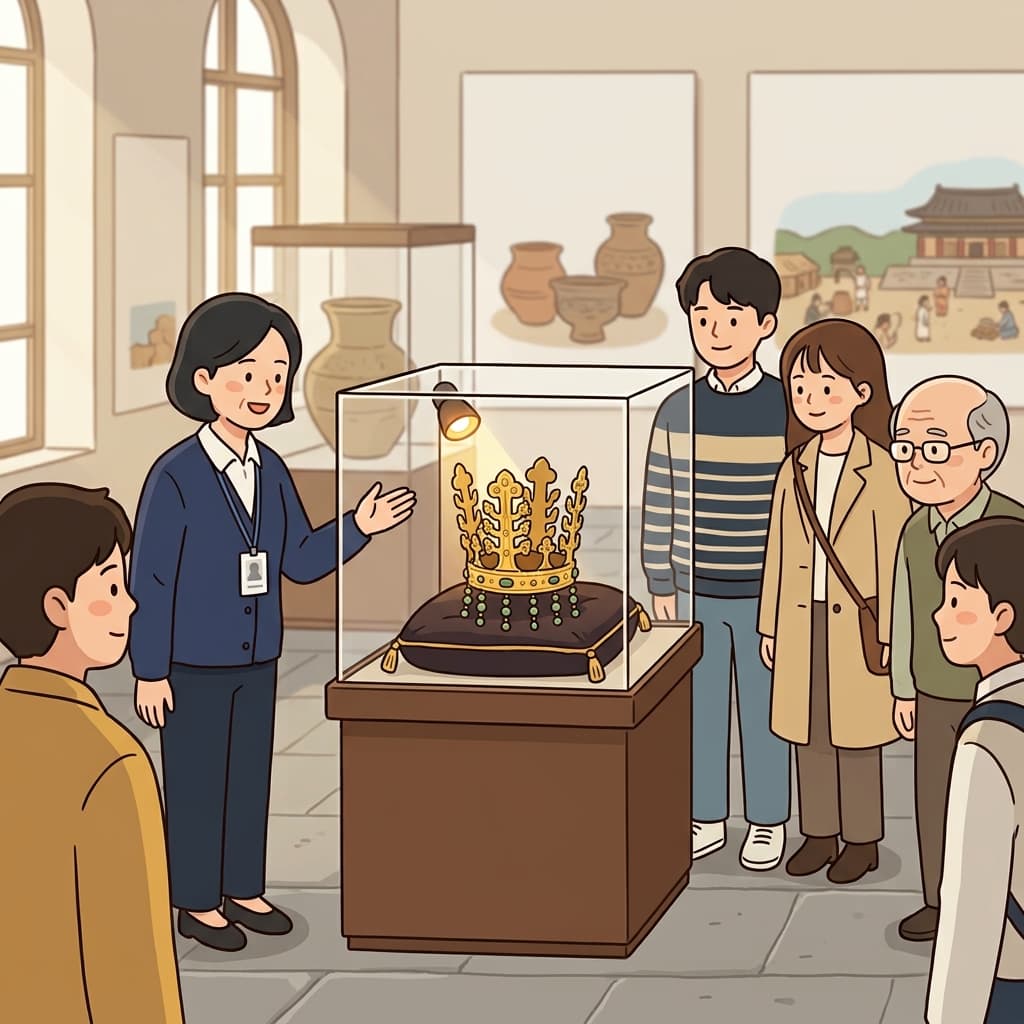
The museum proudly displayed the priceless artifact from an ancient kingdom.
박물관은 고대 왕국의 귀중한 유물을 자랑스럽게 전시했다. (게임에서 얻는 희귀 아티팩트처럼 아주 귀한 유물이다)

The museum preserved the ancient artifact for future generations. (🏺 Ancient Object + 🏛️ Museum → Artifact)
박물관은 미래 세대를 위해 고대 유물을 보존했다.

The archaeologists discovered an artifact, excavated the site, and celebrated the historic find.
고고학자들은 유물을 발견하고 발굴을 마친 뒤 역사적인 발견을 함께 축하했다.
🎤발음
🌳어원 분석
라틴어 'arte'(기술로)와 'factum'(만들어진)이 결합된 형태
기원
라틴어에서 온 합성어로, '기술로 만든 것'이라는 의미에서 출발했습니다. 마치 고대 장인이 정성스럽게 만든 작품처럼, 인간의 손길이 닿아 탄생한 모든 것을 의미하게 되었습니다.
형태소 분해
arte(기술로) + factum(만들어진)
진화 과정
라틴어에서 온 합성어로, '기술로 만든 것'이라는 의미에서 출발했습니다. 마치 고대 장인이 정성스럽게 만든 작품처럼, 인간의 손길이 닿아 탄생한 모든 것을 의미하게 되었습니다.
💡창의적 암기법
AI Generated Mnemonic
'아티팩트'를 '아! 티 팩(tea pack)트'로 연상해보세요. 고대인이 만든 신비한 차 포장지를 발견한 고고학자가 '아! 이건 귀중한 유물이야!'라고 외치는 모습을 상상하면, artifact가 '인공 유물'이라는 뜻임을 쉽게 기억할 수 있습니다.
💡 아! 티팩트 = 아! 귀중한 유물
🎵라이밍 (Rhyme)
-act로 끝나는 단어들과 함께 외우면 기억하기 쉬워요
-act로 끝나는 단어들과 함께 외우면 기억하기 쉬워요
-act로 끝나는 단어들과 함께 외우면 기억하기 쉬워요
🔗연어 (Collocation)
고대 유물
문화 유물
디지털 인공물
고고학적 유물
유물을 발견하다
유물을 보존하다
📝예문
“The professor's office was full of artifacts, making it look like a mini museum where students feared breaking something priceless.”
교수의 사무실은 유물로 가득해서 마치 작은 박물관 같았고, 학생들은 귀중한 것을 깰까 봐 두려워했다.
“Archaeologists found pottery artifacts that revealed ancient cooking habits.”
고고학자들은 고대 요리 습관을 보여주는 도자기 유물을 발견했다.
“The scientist realized that the unusual data was just a measurement artifact, not evidence of alien life.”
과학자는 그 이상한 데이터가 외계 생명체의 증거가 아니라 단지 측정상의 인위적 결과임을 깨달았다.
“My grandmother's kitchen is like an artifact museum - she still uses a rotary phone from 1960!”
할머니의 부엌은 마치 유물 박물관 같다 - 아직도 1960년대 다이얼 전화기를 사용하신다!