irritant (**이**리턴트) — a substance that causes slight inflammation or other discomfort to the body
Part of speech: NOUN
Definition: a substance that causes slight inflammation or other discomfort to the body
Pronunciation (IPA): /ˈɪrɪtənt/
Korean meaning: 자극제, 염증을 일으키는 물질
Korean pronunciation: **이**리턴트
Example Sentences
- My coworker's habit of clicking his pen during meetings has become a real irritant.
- The smoke from the factory acts as an irritant to the respiratory system.
- For students, the broken WiFi has been the biggest irritant this semester.
irritant
NOUN[/ˈɪrɪtənt/]
이리턴트
a substance that causes slight inflammation or other discomfort to the body
자극제, 염증을 일으키는 물질
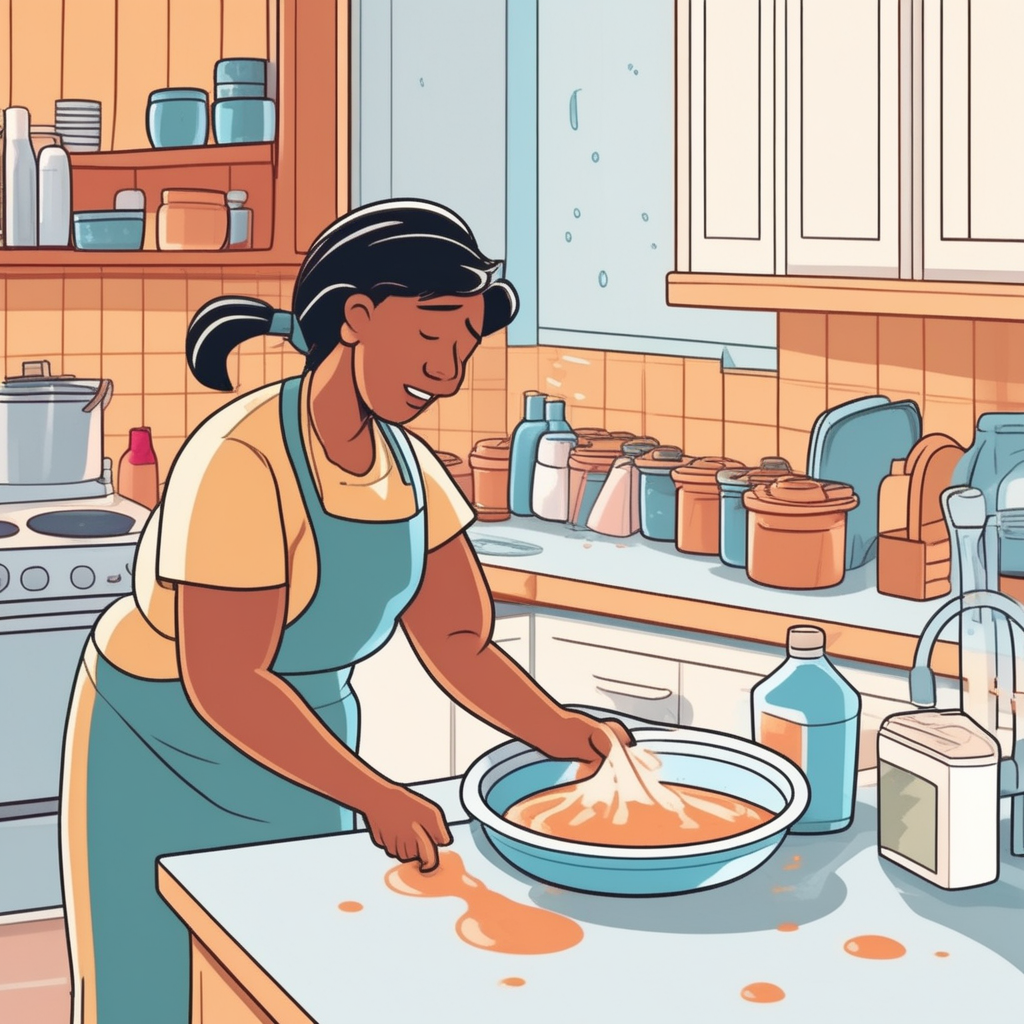
자극제, 염증을 일으키는 물질

Come here and turn! Turn! The constant spinning and shouting irritates everyone!
이리 와서 턴! 턴! 계속 돌면서 소리치니까 모두가 짜증나!

The migrant found the fragrant field irritant
향긋한 꽃밭의 이주민, 알레르기로 괴롭네
🎤발음
🌳어원 분석
동사 irritate에서 파생된 명사형
기원
라틴어 'irritare(자극하다)'에서 유래된 단어로, 원래는 의학 용어로 시작되어 일상적인 짜증거리를 뜻하는 말로 확장되었습니다.
형태소 분해
irritare (to provoke, excite) + -ant (형용사/명사 접미사)
진화 과정
라틴어 'irritare(자극하다)'에서 유래된 단어로, 원래는 의학 용어로 시작되어 일상적인 짜증거리를 뜻하는 말로 확장되었습니다.
💡창의적 암기법
AI Generated Mnemonic
'이리턴트'를 '이리 와서 턴(turn)해봐, 계속 돌면 짜증나!'로 연상하면, 계속 반복되는 행동이 사람을 짜증나게 하는 자극제라는 의미를 기억할 수 있습니다.
💡 이리 턴 → 계속 돌면서 짜증나게 하는 자극제
🎵라이밍 (Rhyme)
-ant로 끝나는 단어들과 함께 묶어서 암기하면 효과적
-ant로 끝나는 단어들과 함께 묶어서 암기하면 효과적
-ant로 끝나는 단어들과 함께 묶어서 암기하면 효과적
🔗연어 (Collocation)
피부 자극제
화학 자극제
주요 방해 요소
지속적인 자극제
눈 자극제
사소한 방해 요소
📝예문
“My coworker's habit of clicking his pen during meetings has become a real irritant.”
회의 중에 펜을 딸깍거리는 동료의 습관이 정말 짜증나는 요소가 되었다.
“The smoke from the factory acts as an irritant to the respiratory system.”
공장에서 나오는 연기는 호흡기계에 자극제 역할을 한다.
“For students, the broken WiFi has been the biggest irritant this semester.”
학생들에게 고장난 와이파이는 이번 학기 가장 큰 짜증거리였다.
“This cleaning product contains no harsh irritants and is safe for sensitive skin.”
이 청소 제품은 강한 자극제가 들어있지 않아 민감한 피부에 안전하다.